JD.com Investment Reshapes Hong Kong Property Valuations
JD.com's $1.3 billion investment in Hong Kong logistics signals a shift in property valuation, prioritizing e-commerce infrastructure over retail.
Atlas Newsdesk ·
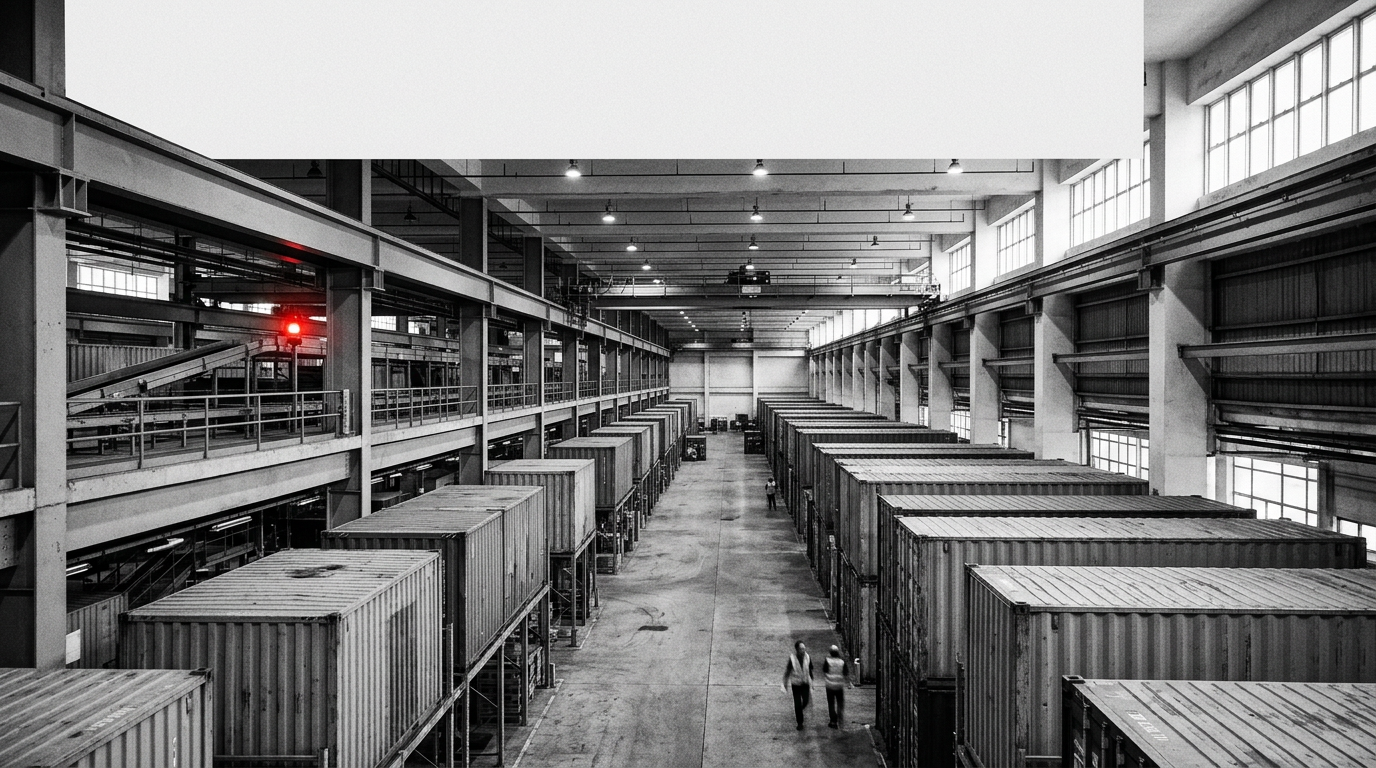
JD.com, a major e-commerce entity, has committed a substantial US$1.3 billion to Hong Kong's real estate market. This investment focuses on developing a comprehensive network of warehouses and retail facilities, indicating a potential re-evaluation of how commercial properties are valued within the city. The move suggests a shift away from traditional reliance on high-traffic retail locations towards infrastructure optimized for logistics and supply chain efficiency.
The company's broader capital commitment in the region now stands at approximately US$4.5 billion, distributed across its retail, technology, and logistics sectors. This diversified approach underscores a long-term, institutional transformation in the utilization of commercial space within Hong Kong's densely populated urban environment. This trend challenges established commercial property models that historically depended on concentrated pedestrian activity to sustain elevated rental rates and property values.
Evolving Valuation Metrics in Commercial Property
This evolving investment strategy introduces a structural risk to Hong Kong's long-standing commercial property model. If logistics-integrated sites become primary drivers of commercial value, properties in traditional high-traffic retail areas could face downward pressure on their valuations. The underlying principle is that supply chain utility, such as proximity to distribution hubs and efficient warehousing, might increasingly supersede the premium previously commanded by prime retail frontage.
The implications of this shift extend beyond individual property owners to urban planners and policymakers. The demand for specific land uses could undergo significant changes, potentially affecting commercial property tax revenues. Authorities may need to closely monitor these shifts to adapt land-use policies and taxation frameworks to the evolving economic realities driven by large-scale e-commerce and logistics investments.
Broader E-commerce Influence on Urban Real Estate
JD.com's significant investment forms part of a larger trend where e-commerce giants are integrating their supply chains more deeply into urban real estate. This strategic vertical integration aims to enhance delivery speed, reduce operational costs, and improve the overall customer experience. For Hong Kong, which serves as a global trade and logistics hub, such investments are particularly impactful, accelerating the transformation of its commercial property market.
The city's commercial property landscape is transitioning from a consumer-centric retail focus to a more diversified, logistics-driven economic engine. Hong Kong's unique geography and high population density make efficient logistics infrastructure critical for sustained economic competitiveness, especially within the rapidly expanding digital commerce sector. The long-term consequences of these investments are likely to include a recalibration of investment portfolios, with increased interest in industrial and logistics real estate and a potentially more cautious outlook on purely retail-focused assets, especially those not integrated into modern fulfillment networks.
Strategic Adaptation for Future Growth
The strategic deployment of capital by major players like JD.com highlights an imperative for businesses and investors to adapt. The emphasis on robust supply chain networks and efficient distribution points signifies a market where speed and reliability are paramount. This transformation suggests that future commercial success in real estate will increasingly hinge on properties that facilitate rapid fulfillment and seamless digital commerce operations.
As the e-commerce sector continues its rapid expansion, cities like Hong Kong are at the forefront of this architectural and economic evolution. The ability to integrate advanced logistics with accessible retail points could define the next generation of urban commercial development, impacting everything from infrastructure planning to land allocation policies. This dynamic environment necessitates continuous evaluation by stakeholders to navigate the evolving demands of a digital-first economy.