Israeli Forces Advance into Southern Lebanon
Israeli forces advance deep into southern Lebanon, capturing strategic locations and expanding control, impacting regional dynamics.
Lauren Collins ·
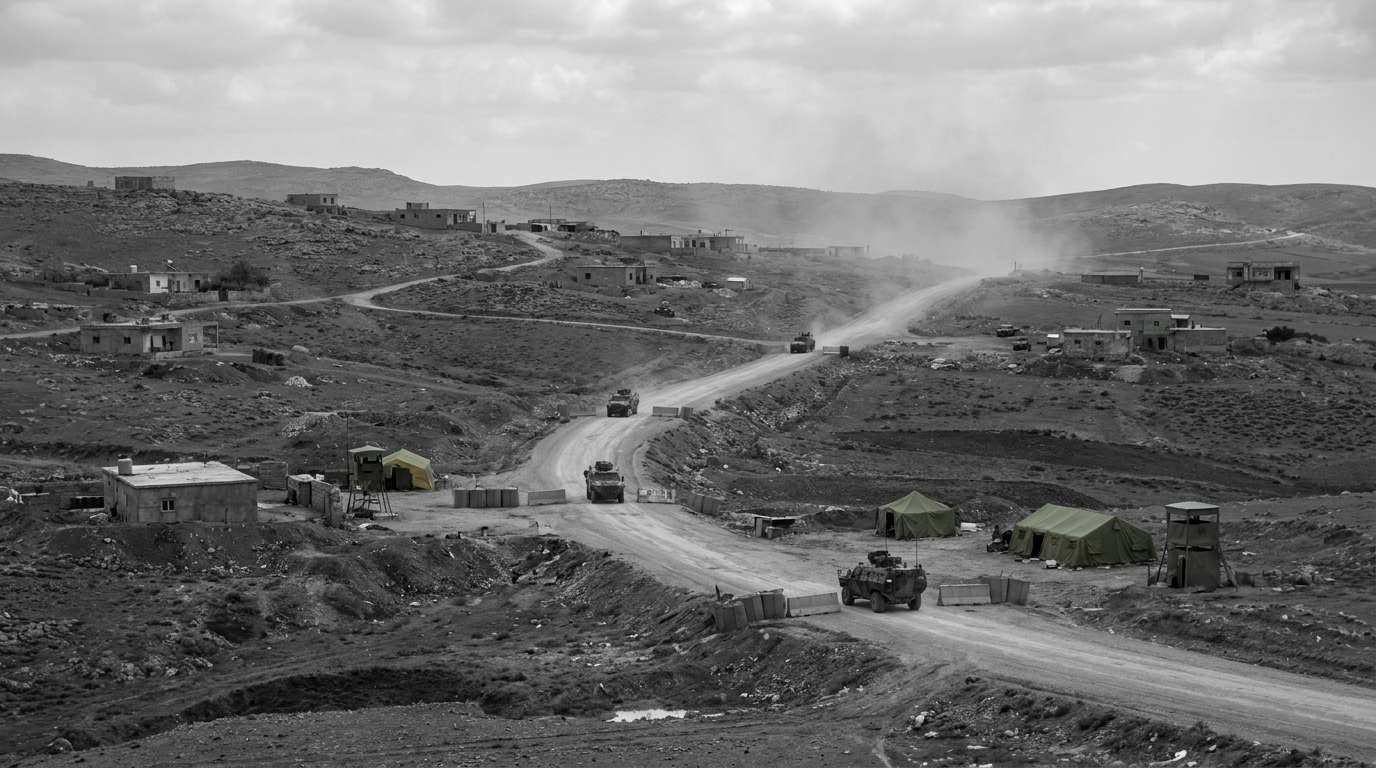
Israeli forces have advanced into southern Lebanon, reaching the outskirts of Nabatieh and capturing Beaufort Castle by May 31, 2026, marking their deepest incursion into the country in over 25 years. This movement extends beyond the Litani River, which was initially cited as Israel's operational objective, and now encompasses approximately 2,000 square kilometers (770 square miles) of Lebanese territory, nearly one-fifth of the country. The advance occurs despite an existing ceasefire agreement from April and ongoing U.S.-mediated talks between Israeli and Lebanese officials aimed at a permanent conflict resolution.
The Israeli military issued evacuation orders extending north to the Zahrani River, approximately 10 kilometers (6 miles) north of the Litani River, indicating an expansion of military control. Troops have reached towns like Zawtar al-Sharqiyah and Choukine, near Nabatieh, a significant Hezbollah stronghold. The capture of Beaufort Castle, a strategic hilltop fortress 15 kilometers (9 miles) from the Israeli border, provides observational and fire-control advantages over southern Lebanon, including routes connecting to the Bekaa Valley and areas around Nabatieh.
Analysts suggest this advance signifies an evolution in Israeli objectives beyond pushing Hezbollah north of the Litani River, potentially aiming to dismantle Hezbollah's territorial and communal infrastructure. The displacement of residents from Nabatieh and Tyre could impact Hezbollah's social base and reshape the demographic and political landscape of southern Lebanon. Iranian officials have linked progress in U.S.-Iran negotiations to an Israeli withdrawal from southern Lebanon.