Spain Border Pressure Grows After Ceuta Migration Surge
Spain faces fresh EU pressure after a Ceuta migration surge, as Italy suspends Schengen protocols and restores checks on arrivals from Spain.
Atlas Newsdesk ·
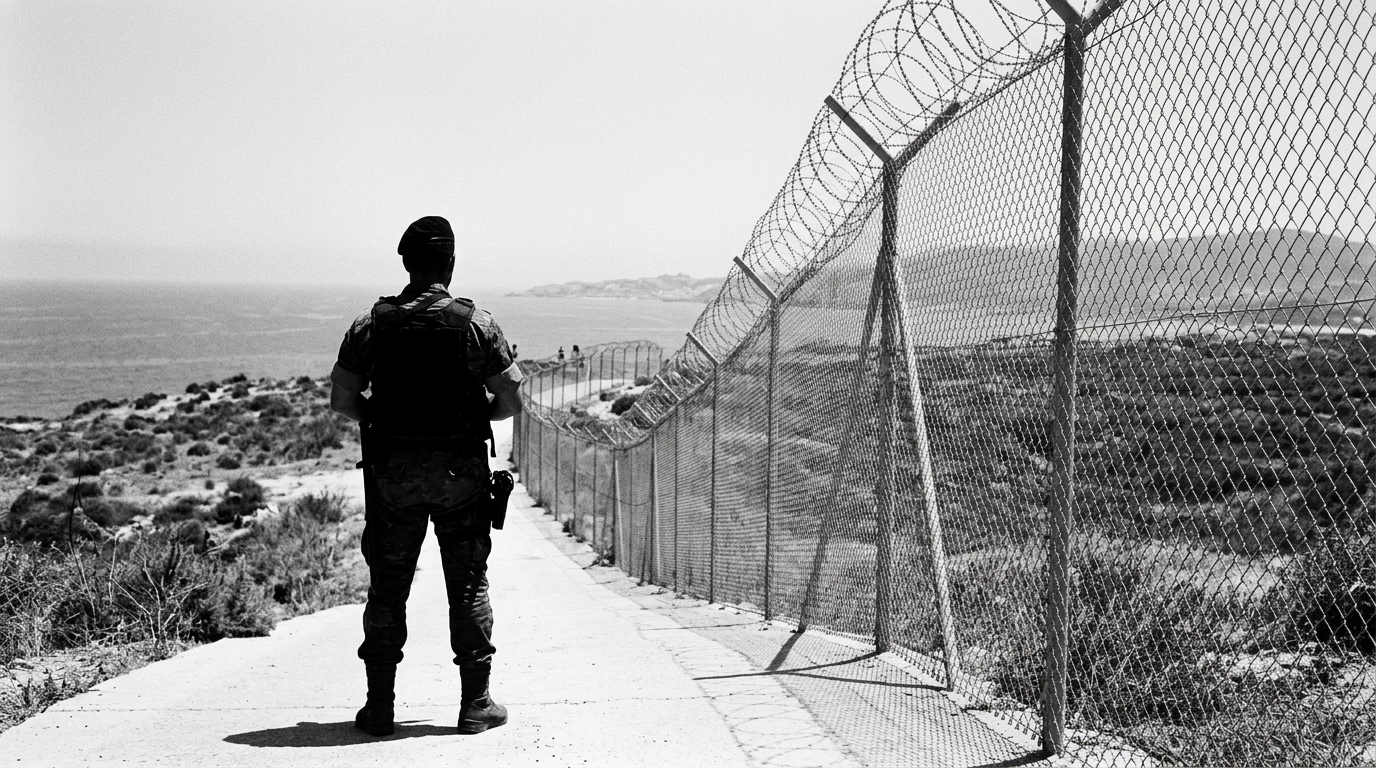
Spain is facing rising diplomatic scrutiny from European Union partners after a sharp increase in migrant crossings into Ceuta, a Spanish territory in North Africa bordering Morocco. Officials and regional counterparts have linked the episode to broader concerns over border management inside the EU, even as the immediate surge has since eased.
The Ceuta incident involved thousands of people crossing from Morocco in a short period, triggering a debate that quickly moved beyond the local frontier. The episode has become a test of how a concentrated border breach at the EU’s external edge can spill into internal political and security decisions elsewhere in Europe.
Italy restores checks for travelers arriving from Spain
Italy responded by suspending Schengen Agreement protocols in practice for travelers arriving from Spanish territory, effectively reintroducing border controls. The shift reflects how quickly member states can prioritize domestic border integrity when they judge that external pressures may translate into internal movement risks.
The suspension has added to the diplomatic strain around Spain’s handling of its frontiers. It also highlights the fragility of free movement when national governments decide that exceptional circumstances justify restrictions, even among partners that share common rules.
Schengen strain and a wider debate over enforcement
The chain of events has fed concerns about a fragmentation of the Schengen zone’s free-movement system. As EU states focus on strengthening controls at their own entry points, the cumulative effect can weaken the sense of a unified internal travel area, particularly during migration spikes.
In Spain’s case, the latest pressure is arriving alongside criticism from some regional partners who are demanding tougher enforcement measures. The situation has also attracted attention beyond diplomatic channels, with political figures attempting to connect the Ceuta crossings to broader electoral narratives.
Surge subsides, but diplomatic friction continues While the most intense wave of arrivals into Ceuta has subsided, the political and diplomatic consequences have not disappeared. Spain is now navigating a difficult balance between its established migrant-friendly policies and calls from neighboring EU governments for stricter approaches.
What remains uncertain is how long the internal border measures will stay in place and whether the episode will lead to lasting changes in expectations for Spain’s management of its external frontiers. The development represents a notable departure from prior regional approaches to migration, with EU partners signaling less tolerance for sudden inflows that they fear could ripple through the bloc.