US oil exports surge as Iran war disrupts Hormuz flows
After the Iran war began in April 2026, the US boosted exports, tapped the SPR and adjusted sanctions waivers to steady oil markets.
Lauren Collins ·
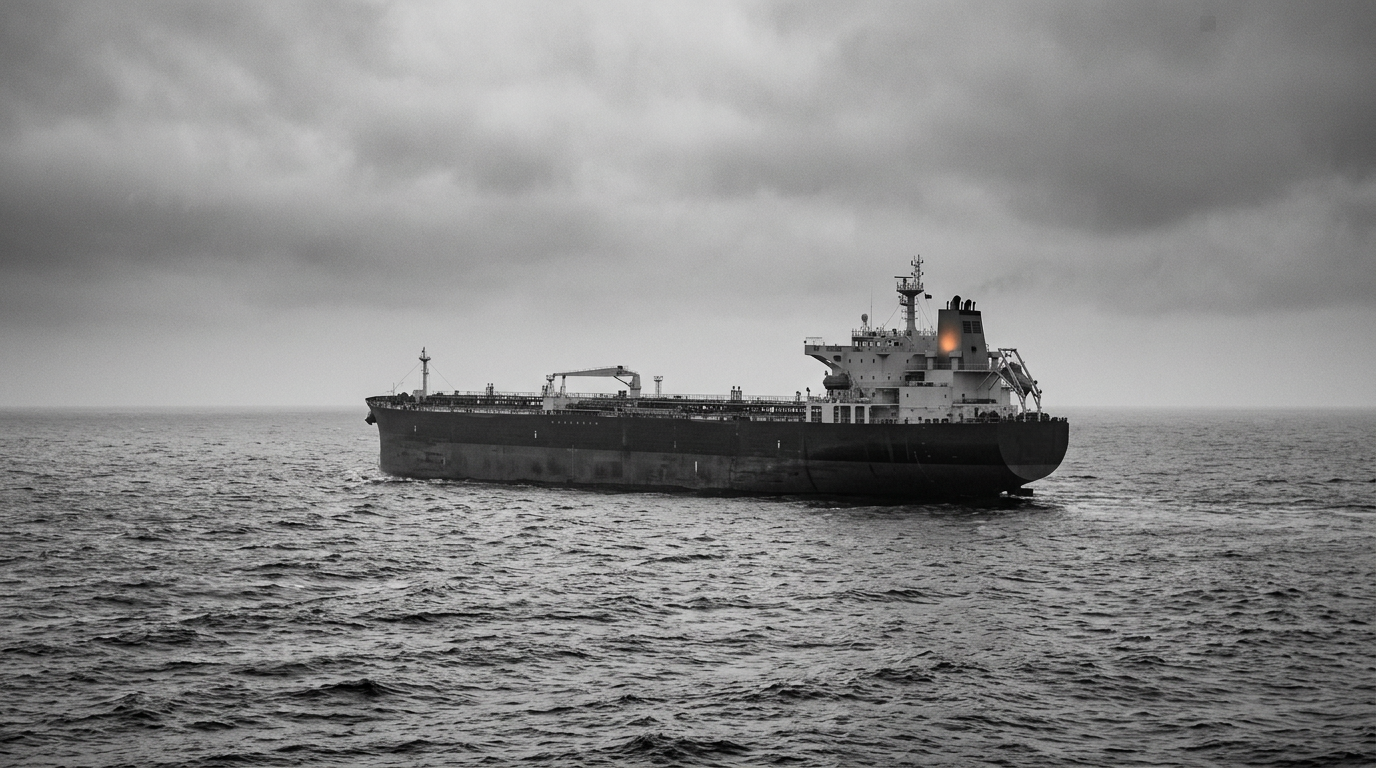
The United States has moved into a central role in cushioning global oil markets after the Iran war began in April 2026, according to the information provided. The shift is described as placing Washington in a swing-producer position more commonly associated with OPEC. The approach has combined higher exports, releases from the Strategic Petroleum Reserve (SPR), and targeted adjustments to sanctions policy.
The conflict is described as severely disrupting physical supply routes. The Strait of Hormuz was described as nearly fully closed, trapping 13% of global oil supplies and forcing Gulf producers to cut roughly 9 million barrels per day (bpd) of output. With those barrels constrained by geography and security conditions, OPEC’s spare capacity was described as largely unable to offset the shock.
Record US export flows and a shift in trade patterns
Against that backdrop, US export volumes rose sharply. Total US oil exports reached a record 12.9 million bpd earlier this month, according to Energy Information Administration data. Refined products accounted for more than 60% of the total, based on the figures cited.
Seaborne US oil exports are projected to reach a record 9.6 million bpd in April. Flows to Asia were described as nearly doubling to 2.5 million bpd compared with pre-war levels. The information provided presents these export gains as a key channel through which additional supply reached global buyers during the disruption.
Emergency stockpiles used alongside coordinated releases
Supply support also came from emergency inventories. The United States released 172 million barrels from the SPR in March 2026 as part of a coordinated global drawdown totaling 400 million barrels. The SPR stood at about 405 million barrels by April 17, down from 415 million barrels at the start of the war, based on the figures cited.
The combination of higher exports and stockpile releases is described as providing short-term flexibility while Gulf output was constrained. The information provided does not specify how long these measures could be sustained at the same pace.
Sanctions waivers and Hormuz measures
Policy decisions on sanctions were also used to influence available supply. Officials renewed a waiver on April 17 that allows countries to buy sanctioned Russian oil at sea for about a month. Following that step, Russian oil held on tankers fell from more than 13 million barrels in late January to 2.9 million barrels by April 24, according to the data referenced.
At the same time, a separate waiver related to Iranian oil purchases was not renewed. The United States also imposed its own blockade on Hormuz, described as a measure intended to pressure Tehran. Overall, the information provided frames export growth, SPR releases, and selective sanctions adjustments as the mechanism through which the United States acted as a stabilizing force during the market disruption.