Iran transit fees target Hormuz shipping after grace period
Iran plans to levy Strait of Hormuz transit fees after 60 days, raising a new risk for energy shipping through the Gulf.
Mateo Fernandez ·
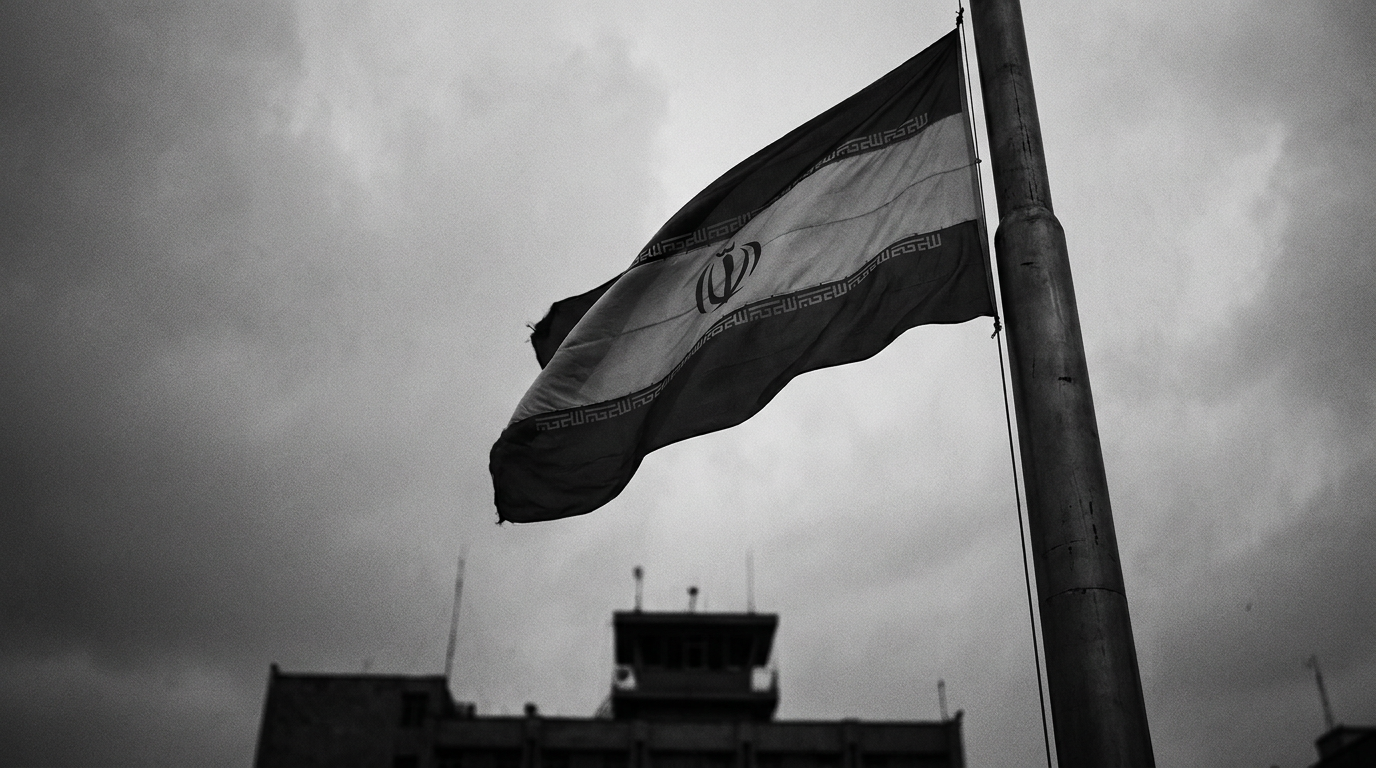
Iran plans to impose transit fees on ships using the Strait of Hormuz after a 60-day grace period, officials said Thursday, adding a new policy risk to one of the world’s most sensitive energy corridors. Reaction pending.
Officials said the measure asserts Iranian control in coordination with Oman and warned vessels against using alternative routes. The announcement did not include a fee schedule, an enforcement mechanism or exemptions for specific cargoes.
Hormuz fee threat hits energy shipping
The Strait of Hormuz links Gulf producers with global buyers and is closely watched by oil, gas and shipping markets because disruption there can affect freight costs, insurance pricing and delivery timing. A transit charge would add a direct cost layer for operators if implemented, while uncertainty over enforcement could raise indirect costs before any invoices are issued.
For energy markets, the first channel is risk pricing. If shipowners, insurers
or charterers treat the fee plan as credible, costs could be passed into cargo pricing and freight contracts.
If the plan remains unclear or unenforced, the immediate
market effect may be limited to headline risk.
The pressure point for Iran is execution. Fees that are too small may have little strategic effect; fees that are large or unevenly enforced could invite pushback from ship operators, cargo owners and governments reliant on Gulf supply.
The next dated marker is August 31, 2026, 60 days after Thursday’s notice, when traders and shippers will look for payment rules, enforcement details and any response from Oman or maritime authorities.