Iran says Strait of Hormuz to stay closed
Iran says the Strait of Hormuz will not reopen until the US changes its behaviour, officials said on Aug. 8, with no timetable given.
Mateo Fernandez ·
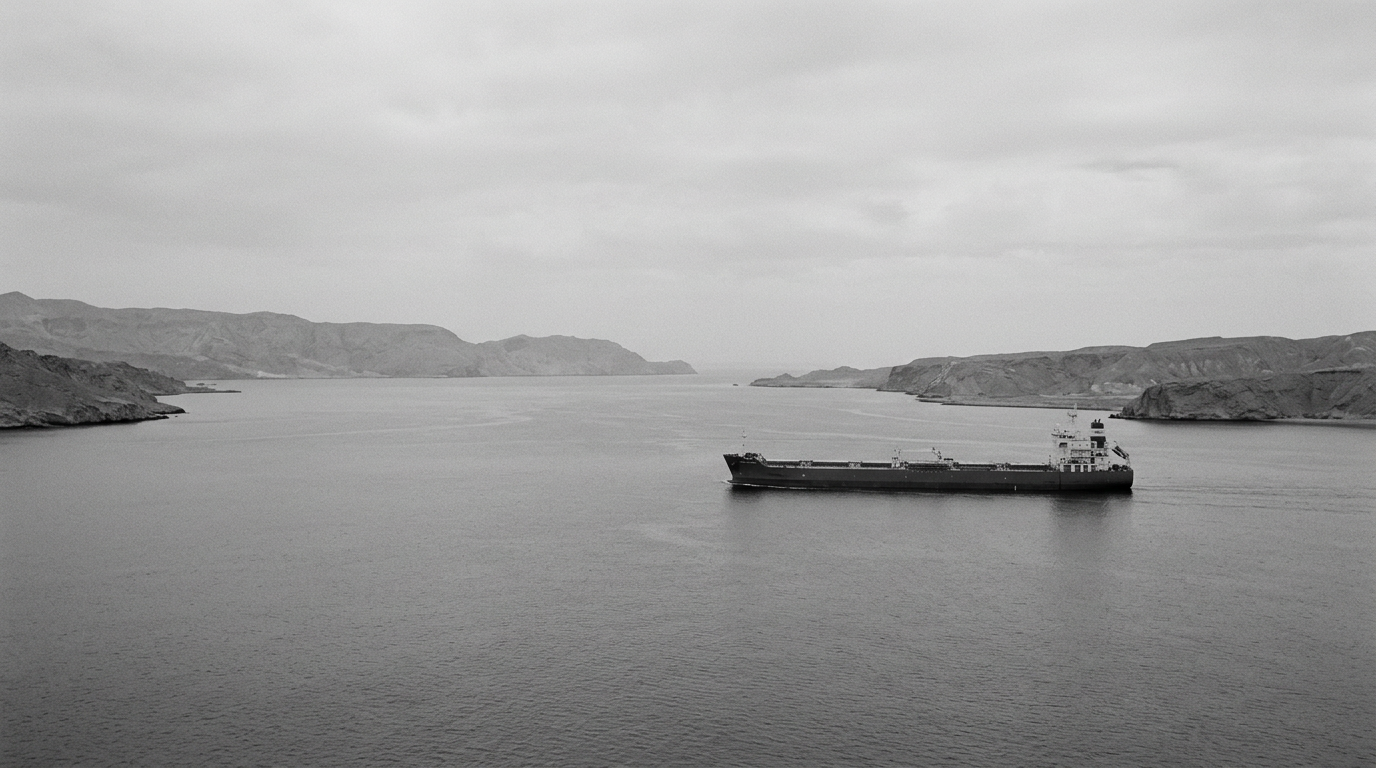
Iran said it will not reopen the Strait of Hormuz unless the United States changes its behaviour, according to comments made on Aug. 8 by Iran’s National Security Council secretary Muhammed Bakır Zülkadr. Officials said the statement made reopening conditional on U.S. conduct, but it did not spell out what steps would meet Tehran’s demand or provide any timeline.
The remarks place renewed attention on a narrow maritime corridor that is central to energy shipping. Officials said the lack of clarity on conditions and timing could keep uncertainty elevated for shippers and market participants until there is further guidance or a shift in diplomatic signals.
Conditions attached, but no timetable Officials said the message from Tehran tied any reopening to a change in U.S. behaviour, without specifying the actions required. The announcement also did not describe how restrictions would be implemented in practice, or what operational steps would be used to lift them if the stated condition is met.
That absence of detail leaves several key questions unresolved, including whether any restrictions would be immediate, partial, or sustained. Officials said markets and shippers will be focused on whether follow-up statements add precision on enforcement and duration.
Shipping and energy risks centered on a narrow passage Officials said a closure or ongoing limitation on transits would push tankers to reroute around the Arabian peninsula. Such diversions would lengthen voyages and increase costs tied to freight and insurance, they added.
Officials also said shipping and energy markets typically respond to higher transit risk by widening insurance premiums and tightening spare capacity. In that context, they said the statement raises the likelihood that market participants will price in disruption until the condition linked to reopening is resolved.
Beyond immediate routing decisions, the situation can influence how quickly cargoes move and how much flexibility fleets retain for last-minute changes. Officials said the primary near-term variable is whether risk is perceived as temporary or persistent, given the absence of an announced path to implementation or reversal.
Next signals expected within 48 hours
Officials said attention will turn to any diplomatic or military responses and maritime notices from relevant authorities through Aug. 10. They added that statements or guidance from U.S. or regional authorities over the next 48 hours will be important in shaping how markets and shippers adjust.
For now, the core uncertainty remains unchanged: Iran’s stated condition is broad, but the operational and diplomatic markers that would clarify the outlook have not been provided.