Iran private investment fund created to restore trade route
A $300 billion private fund underpins a new U.S.-Iran framework agreement, aiming to secure peace and reopen the crucial Strait of Hormuz.
Atlas Newsdesk ·
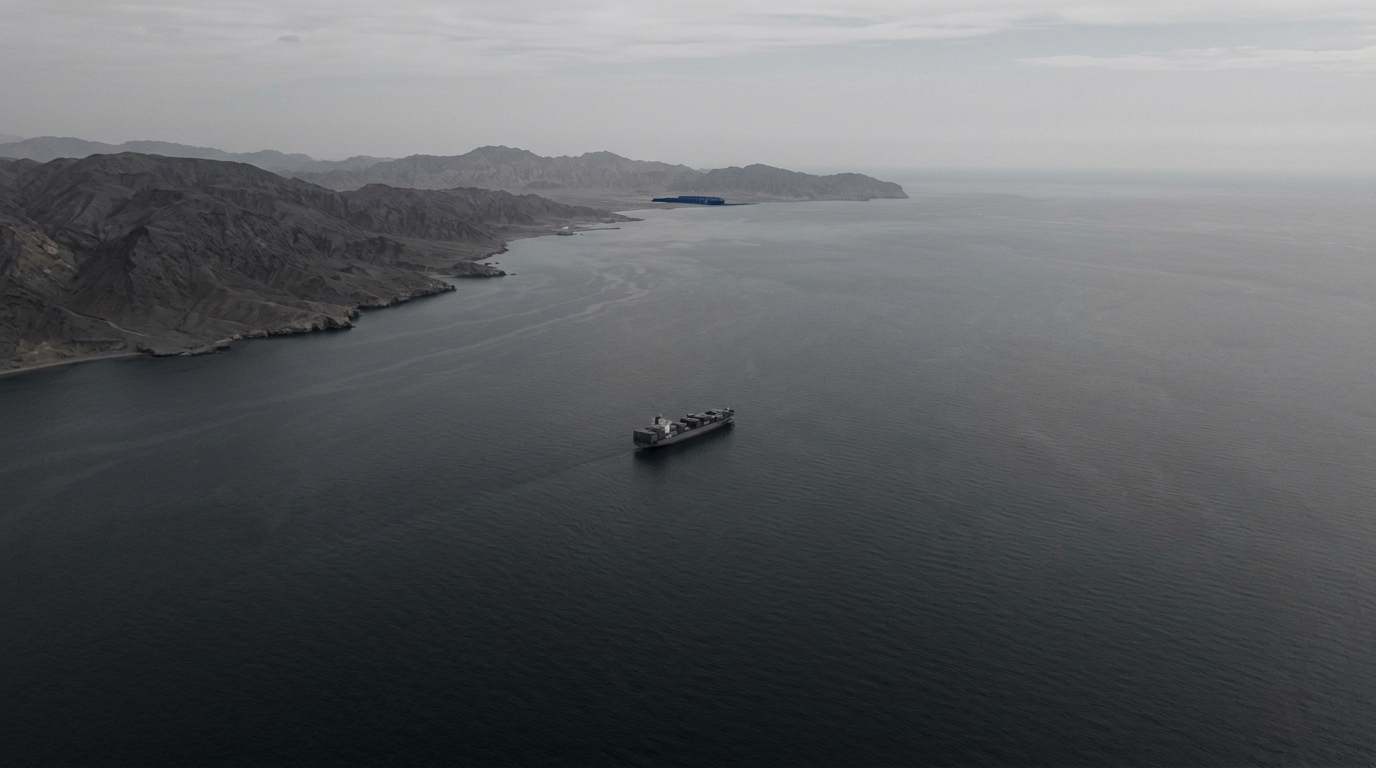
A newly detailed Iran private investment fund worth $300 billion seeks to cement a historic framework agreement between Washington and Tehran. This massive commercial initiative aims to provide strong bilateral economic incentives to ensure both nations adhere to the freshly drafted peace treaty. Over half of the designated capital has already been secured from international sources, according to officials familiar with the negotiations.
The broader diplomatic breakthrough aims to conclude the military conflict that erupted on February 28. The hostilities began following joint U.S. and Israeli military strikes against Iranian targets, leading to a subsequent U.S. naval blockade of the country. Under the current framework terms, Washington will lift its restrictive maritime embargo to normalize regional commerce and restart diplomatic relations.
A Purely Private Financing Structure
Unlike traditional post-conflict reconstruction packages, this financial initiative relies entirely on corporate commitments rather than government subsidies or international aid. No state grants or taxpayer funds will be utilized to back the infrastructure projects, insulating Western governments from direct financial exposure. Instead, global conglomerates from the United States, the Gulf Arab states, East Asia, South America, and Africa have pledged substantial resources to the vehicle.
This unique structure shifts the responsibility of regional stabilization directly to global commercial markets. Participating businesses view the rehabilitation of the Iranian market as a major opportunity to unlock previously restricted trade corridors. Pledged capital is currently earmarked for several critical industries that will drive domestic modernization.
The broad geographic diversity of the corporate backers reflects a calculated effort to build international consensus. By involving major businesses from Asia, Africa, and the Americas, the creators of the fund aim to shield the projects from future political shifts. This multilateral corporate shield could prevent sudden reinstatements of unilateral sanctions by distributing the economic risk across multiple global trade hubs.
Reopening the Strait of Hormuz
The successful rollout of the investment vehicle is tied directly to the reopening of the Strait of Hormuz. As one of the world's most critical maritime choke points, the strait handles a significant portion of global petroleum and liquefied natural gas shipments. Re-establishing secure passage through this waterway is expected to immediately ease supply anxieties in international energy markets.
Analysts suggest that tying industrial development directly to the peace treaty creates a self-enforcing security mechanism. Both Washington and Tehran stand to lose billions of dollars in potential commercial growth if regional hostilities resume. The finalized treaty is scheduled for a formal signing ceremony this Friday, which observers hope will inaugurate a new era of regional security.