Iran plans Hormuz transit fees for shipping
Iran said it will charge service fees for Strait of Hormuz transit and offer special treatment to allies.
Mateo Fernandez ·
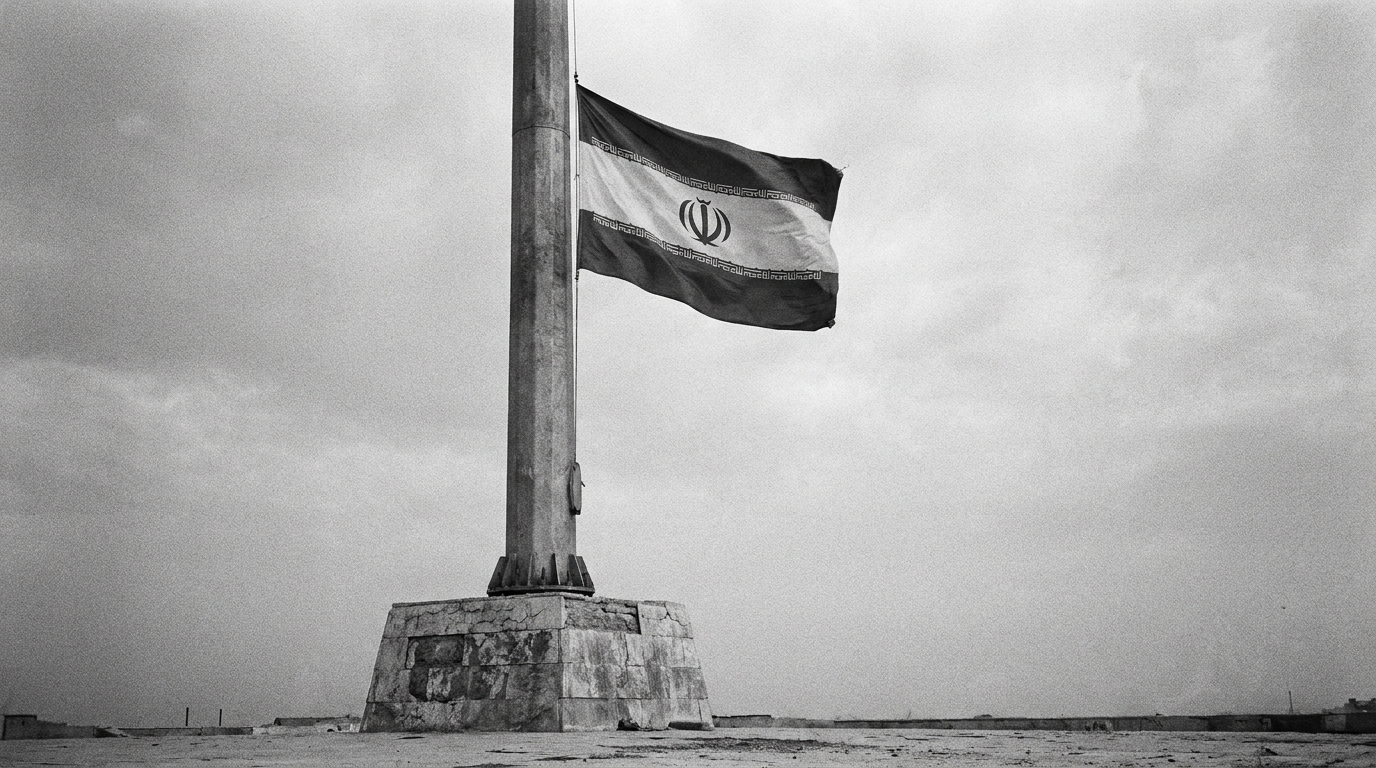
Iran said on July 5 it will charge service fees for vessels transiting the Strait of Hormuz, adding a new political and commercial layer to one of the world’s most sensitive maritime corridors. Reaction pending.
Officials said countries aligned with Tehran would receive special treatment under the plan. The announcement points to a fee regime that could differentiate ships by political relationship rather than only by route, cargo or vessel class.
Hormuz fees raise shipping risk
The Strait of Hormuz is central to energy trade because it connects Gulf producers with open seas. Any new charge tied to passage through the waterway could feed into freight costs, war-risk premiums and delivery contracts, even before any physical disruption occurs.
For global markets, the mechanism is straightforward
if shipowners and insurers treat the fee as a sign of higher political risk, the cost of moving oil, refined products and other cargoes through the Gulf could rise.
If the policy is applied narrowly
or delayed, the immediate macro effect may remain contained.
For Iran, the policy could create a revenue stream and a lever over maritime traffic, but it also risks sharper scrutiny from trading partners and naval powers. For the wider shipping and energy sectors, the main uncertainty is whether the fees become a routine administrative charge or a tool used selectively during diplomatic tension.
If Tehran publishes clear rates and exemptions by July 6, companies can price the added cost into voyages. If details remain unclear through the next 24 hours, insurers, charterers and commodity traders are likely to treat Hormuz exposure as a larger geopolitical risk.