Iran Faces Two-Month Refined Fuel Shortage Amid US Sanctions
Iran has only two months of refined fuel reserves left, raising concerns about potential rationing as tightened US sanctions impact critical imports.
Mateo Fernandez ·
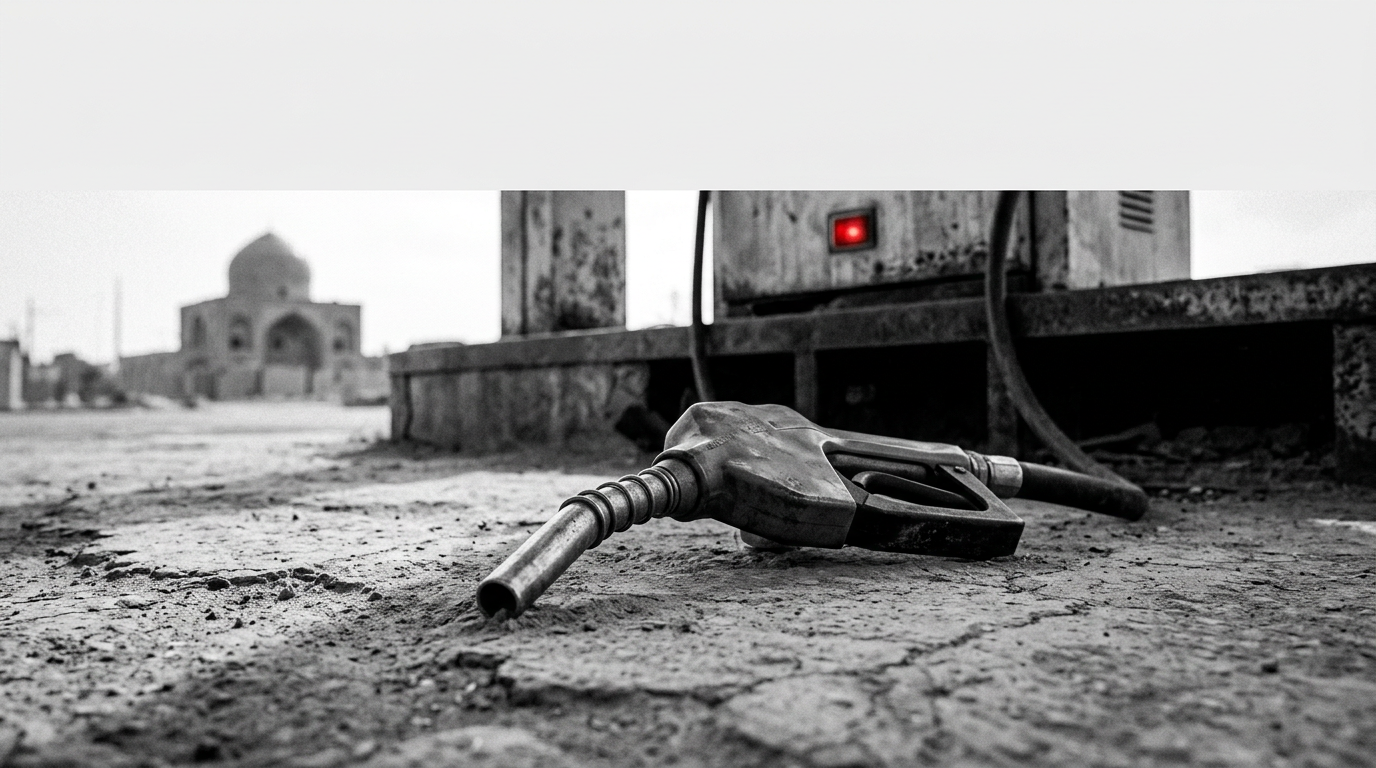
Iran possesses approximately two months' worth of refined fuel, according to officials, as enhanced United States secondary sanctions have intensified this month. These recent American measures are designed to restrict Tehran's access to financial resources, international funding networks, and crude oil exports. Such restrictions are effectively limiting the avenues Iran uses to secure payments for imports and to sell its oil and related products on global markets.
While officials cited the two-month fuel timeframe, they did not release specific inventory data or detail the methodologies used to reach this estimation. They indicated that the campaign to tighten these financial and trade controls has escalated significantly in recent weeks. The names of the agencies or specific documents supporting the estimate were also not disclosed.
Impact on Domestic Supply and Strategic Reserves
The constraints on financial transactions and export pathways, officials warned, risk impeding deliveries of essential refined gasoline and diesel. This situation is particularly critical as domestic demand within Iran currently exceeds the nation's remaining refining output capacity. This combination, they cautioned, would necessitate drawing down Iran's strategic fuel reserves and could potentially lead to the implementation of rationing measures if new imports fail to arrive in a timely manner.
Officials further advised that the extent of any disruption to regional product flows will largely depend on whether buyers and shipping entities can establish alternative payment mechanisms. Should both crude oil and refined product exports significantly decline, they noted, the availability of refined products across the region could become constrained, exerting upward pressure on prices for these commodities.
Future Outlook and International Appeals
Looking ahead, officials stated that by November 5, 2026, Iran will require new fuel shipments or alternative financing arrangements to prevent the necessity of rationing. They have urged potential suppliers and intermediaries to communicate their capacity to resume deliveries before this crucial date. The ongoing sanctions aim to exert economic pressure on Iran, particularly impacting its oil sector, which is a vital source of government revenue and foreign exchange.
The US sanctions policy, which has been in place with varying intensity for decades, seeks to curb Iran's nuclear program and its support for regional proxy groups. The current tightening of these sanctions is part of a broader strategy to isolate Iran economically. The lack of transparent data on Iran's exact fuel inventories makes external assessment challenging, but the official warnings underscore a growing domestic concern within the country regarding energy security.
Historical Context of Sanctions
Economic sanctions against Iran have a long history, initially imposed by the U.S. in the 1979 hostage crisis and later expanded due to concerns over its nuclear program. While the Joint Comprehensive Plan of Action (JCPOA) in 2015 temporarily eased some sanctions in exchange for nuclear concessions, the U.S. withdrawal from the agreement in 2018 led to the re-imposition and tightening of these restrictions. This has significantly impacted Iran's ability to sell oil and access international financial systems, affecting its economy profoundly.