Iran gains leverage over Strait of Hormuz
Officials said Tehran's control of the Strait increases the risk of interruptions to regional shipping and energy exports.
Mateo Fernandez ·
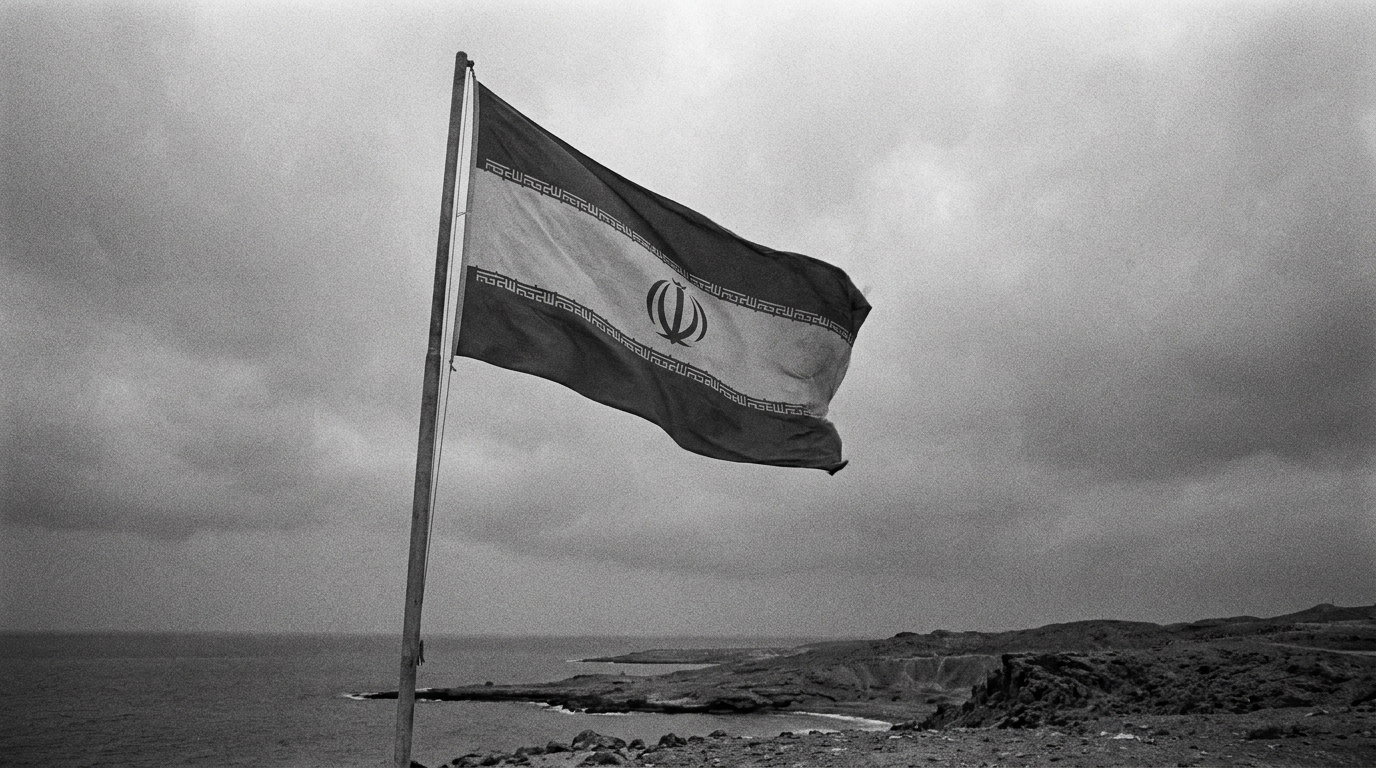
Officials said on July 14, 2026, Iran's growing leverage over the Strait of Hormuz has sharpened regional tensions after months of stepped-up conflict and diplomacy. Reaction pending.
Strait of Hormuz leverage
Officials said Iran's posture gives it practical tools to raise the cost and complexity of seaborne trade: threats to tanker transits, pressure on insurance and chartering, and the need to reroute vessels around longer corridors. Those actions can slow deliveries, lift freight costs and tighten physical access to hydrocarbon flows.
Officials said the immediate effect falls on Gulf exporters and importers that rely on narrow maritime corridors, and on companies that insure and finance shipments. Energy buyers that cannot absorb delays face higher procurement costs; trading desks respond to uncertainty even before physical bottlenecks appear.
Officials said the leverage also reshapes diplomatic calculations: states balancing the risk of escalation against economic exposure may prefer negotiated de-escalation to kinetic responses. Military posturing raises the odds of miscalculation while prolonged disruptions shift costs onto global supply chains.
Officials expect either fresh incidents or renewed diplomatic engagement by July 21, 2026. Market participants and maritime operators should monitor shipping reports and official statements through that date for signs of escalation or de-escalation.