Iran confronts Khamenei's death and divisions
Ayatollah Ali Khamenei was buried on July 10, 2026, revealing sharp domestic rifts that will shape succession, security and Tehran's regional posture.
Mateo Fernandez ·
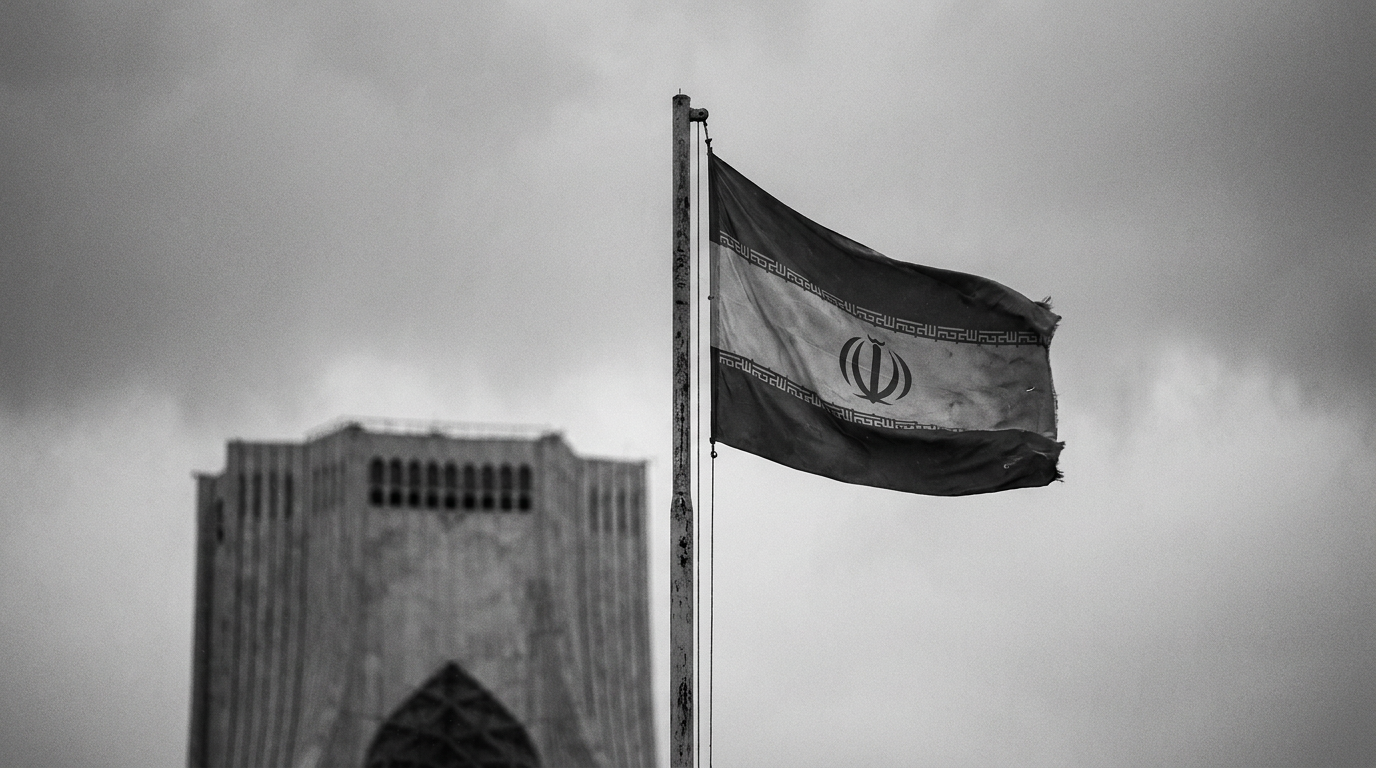
Iran on July 10, 2026 laid to rest Supreme Leader Ayatollah Ali Khamenei, a ceremony that has brought competing domestic currents into the open. Reaction pending.
Funeral exposes factional divisions
The immediate effect is political uncertainty inside Tehran as rival clerical and conservative factions jockey to shape the succession process and core institutions. Officials said power centres within the state will drive any formal transition; without a clear, consolidated choice the contest could deepen internal repression as leaders seek to preserve authority.
A contested or chaotic handover would have regional consequences: it could complicate Iran's diplomatic posture and increase the risk of incidents along its borders, while a tightly managed succession would likely prioritise regime stability over policy change. Watch for a formal announcement of a succession mechanism or a named successor by July 17, 2026; that date will be a near-term test of whether factions cohere or the domestic contest intensifies.
Officials said large numbers attended rites that lionized Khamenei as a defender of clerical rule and the Islamic Republic. Officials said other parts of the country remain marked by sustained economic hardship and political grievances; data showed protests have continued and that security forces have responded with crackdowns.