Iran Withdraws from 2026 FIFA World Cup
Iran has withdrawn from the 2026 FIFA World Cup, citing security concerns following recent airstrikes and regional instability.
Mehmet Şahinoğlu ·
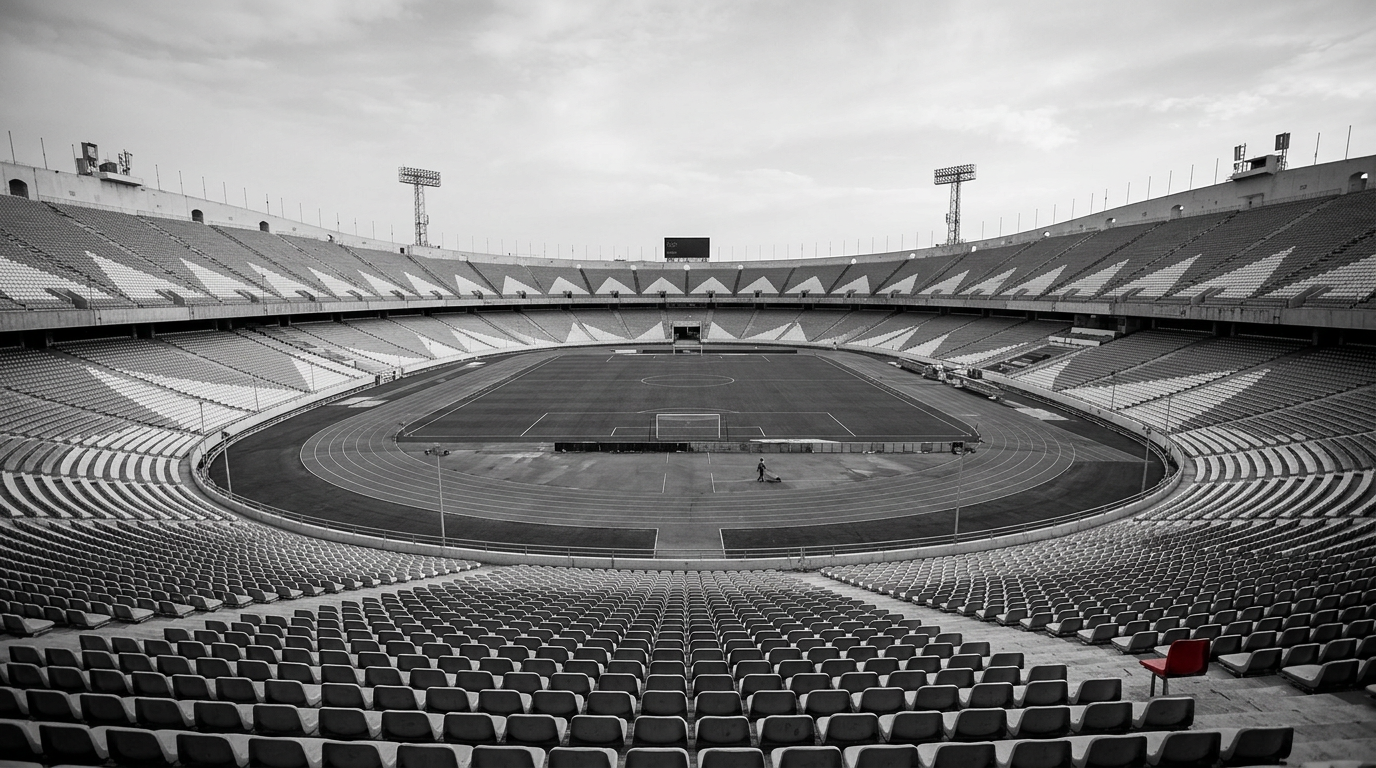
Iran has officially announced its withdrawal from the 2026 FIFA World Cup, citing escalating regional security concerns. The decision, confirmed by Iran's sports minister, follows recent military actions in the country, including airstrikes attributed to the United States and Israel. These events reportedly led to the death of Ayatollah Ali Khamenei, intensifying an already volatile geopolitical climate.
The upcoming global football tournament is scheduled to be co-hosted across North America by the United States, Mexico, and Canada. Iran's national team had been placed in Group G, alongside Belgium, Egypt, and New Zealand. All three of Iran's group stage matches were slated to take place within the United States, a factor that likely contributed to the security assessment.
Geopolitical Tensions Influence Sports Decision
The withdrawal underscores the significant impact of geopolitical tensions on international sporting events. The Iranian sports ministry emphasized the need to prioritize the safety and security of its athletes and delegation members amidst the current regional instability. This decision marks a rare instance where a nation's participation in a major international sporting competition is directly linked to ongoing military conflicts and heightened security risks.
Tournament Preparations and Group G Impact
FIFA, the global governing body for football, has been in the advanced stages of planning for the 2026 World Cup. Iran's absence from a recent FIFA planning summit, which included representatives from participating nations, had already signaled potential issues regarding its involvement. The withdrawal will necessitate adjustments to the Group G schedule and potentially the qualification process, depending on FIFA's regulations for such an event.
Historical Context of Political Influence in Sports
This is not the first time political events have influenced World Cup participation. Historically, boycotts and withdrawals have occurred due to various political reasons, ranging from apartheid in South Africa to Cold War-era tensions. Iran's decision reflects a contemporary example of how international relations and domestic security situations can directly affect a country's presence on the global sports stage.
The 2026 tournament, set to be the largest World Cup to date with 48 teams, now faces an unexpected challenge in its preparatory phase.
Broader Implications for International Relations
The withdrawal also carries broader implications for international relations, particularly concerning the relationship between Iran and the co-hosting nations, especially the United States. While officially a sports decision, it inevitably reflects the deeper political and security rifts that characterize current global affairs. The incident highlights the complex interplay between sports, politics, and national security in an increasingly interconnected world.
Implications
Country Impact: Iran's withdrawal highlights the severe impact of geopolitical instability on national participation in global events, reflecting heightened security concerns following recent military actions. It underscores the country's current isolation on the international stage.
Industry Impact: The global sports industry, particularly FIFA, faces logistical and scheduling challenges for the 2026 World Cup, requiring adjustments to Group G and potentially setting a precedent for future withdrawals due to political or security reasons. This could lead to revised protocols for participant safety assessments.
Market Impact: While direct market impact is limited, the withdrawal could subtly influence sponsorship and broadcasting deals related to the specific group or region, and potentially raise concerns among other participating nations about security guarantees for future tournaments in volatile regions.