Meta Integrates Robots for Data Center Automation
Meta is deploying advanced robotics in its data centers globally to automate tasks like server power cycling, aiming for greater efficiency and cost reduction.
Atlas Newsdesk ·
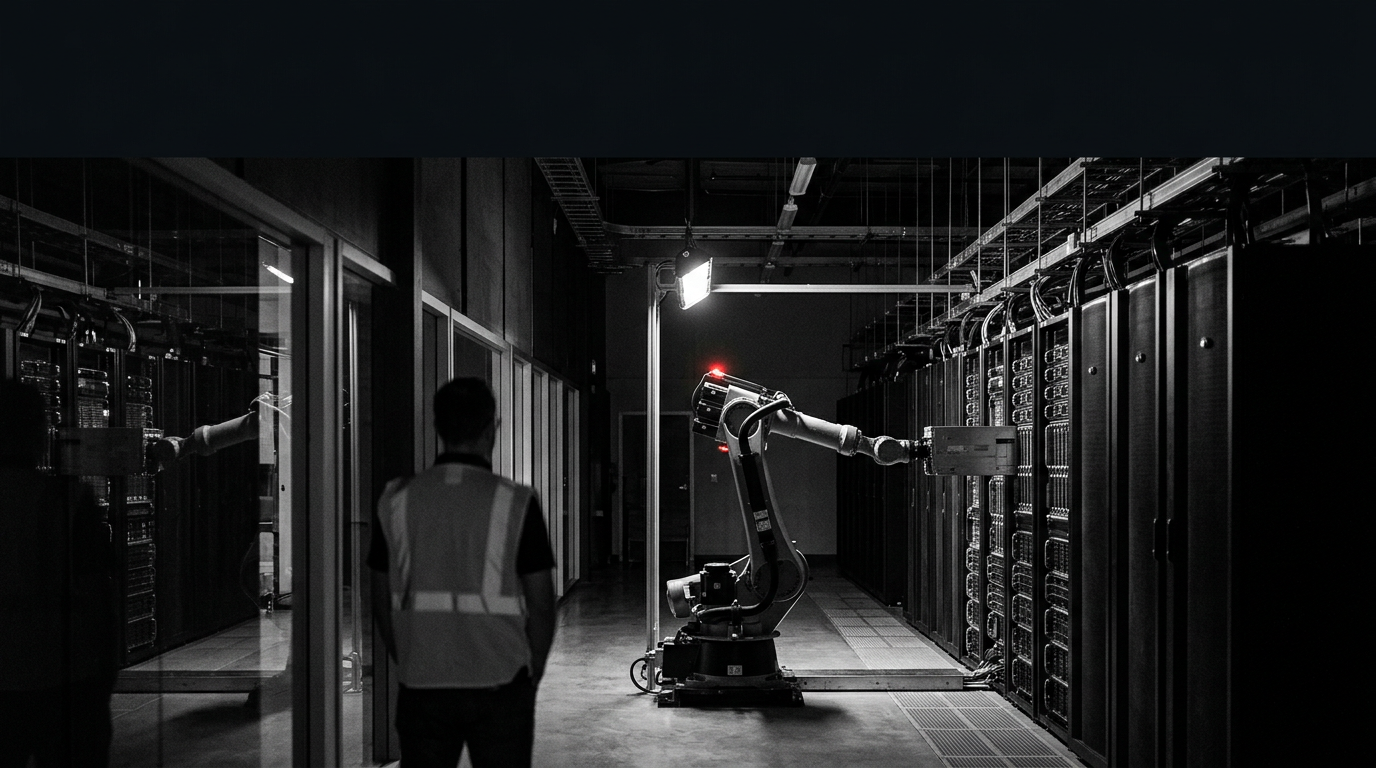
Meta Platforms is actively deploying advanced robotic hardware across its worldwide data centers, initiating a strategic move to automate routine maintenance operations. This integration aims to streamline tasks such as power cycling servers and managing complex networking cables, which have historically relied on human technicians. The company's primary objective is to enhance operational efficiency and mitigate the increasing costs associated with maintaining its extensive global infrastructure. This effort also seeks to address persistent labor shortages, particularly in areas where securing skilled technical personnel presents a challenge.
Internal assessments conducted by Meta suggest that the successful implementation of these automated systems could substantially reduce the need for manual labor in standard data center functions. The technology being deployed integrates components from various external vendors, indicating a collaborative approach to its development and adoption.
Advancing Operational Efficiency
This strategic shift by Meta aligns with a broader industry trend toward increased automation within complex operational environments. Beyond the immediate of cost reduction, the integration of robotics offers a means to operate data center facilities in locations or under conditions that might currently be considered too harsh or inaccessible for continuous human staffing. This expanded capability could potentially unlock new strategic sites for infrastructure expansion, thereby enhancing Meta's operational flexibility and global reach.
While investing in automation, Meta has also emphasized its ongoing commitment to workforce training programs. These initiatives are designed to equip existing employees with new skills that align with the evolving demands of its infrastructure. However, this transition has simultaneously sparked internal concerns among staff regarding job security and the potential devaluation of traditional technical roles within the company.
Strategic Consolidation and Workforce Impact
The adoption of robotics is a core component of Meta's overarching corporate strategy to centralize troubleshooting processes and standardize maintenance protocols across its vast data center network. By leveraging AI-guided hardware, Meta aims to decrease its reliance on geographically dispersed, highly specialized on-site human personnel for routine operations and problem resolution.
This significant operational adjustment could have wider implications, particularly for local economic development agreements. These agreements are frequently established with the expectation of generating stable, high-skilled employment opportunities within local communities. The long-term effects of expanding automation on these community commitments remain a point of interest as this trend continues to gain momentum across the broader technology sector.
Historical Context in Technology
Meta's current initiative reflects a consistent historical trajectory within the technology industry, which has persistently pursued greater automation. From early manufacturing processes to sophisticated software development and infrastructure management, companies have continuously sought efficiencies and cost reductions through technological advancements. This latest phase applies advanced robotics and artificial intelligence to physical infrastructure, mirroring previous shifts that optimized software deployment and cloud management.
Past waves of automation, such as the introduction of automated assembly lines or robotic warehousing, have frequently led to shifts in workforce demand, necessitating new skill sets and retraining programs. Meta's current strategy appears to follow a similar pattern, aiming to achieve operational resilience and efficiency in its foundational data infrastructure, which is essential for delivering its global services.