Indonesia's Biofuel Mandate Strains Palm Oil Producers, Tightens Supply
Indonesia's increased biofuel blending target is poised to strain domestic producers and reduce global palm oil availability.
Mateo Fernandez ·
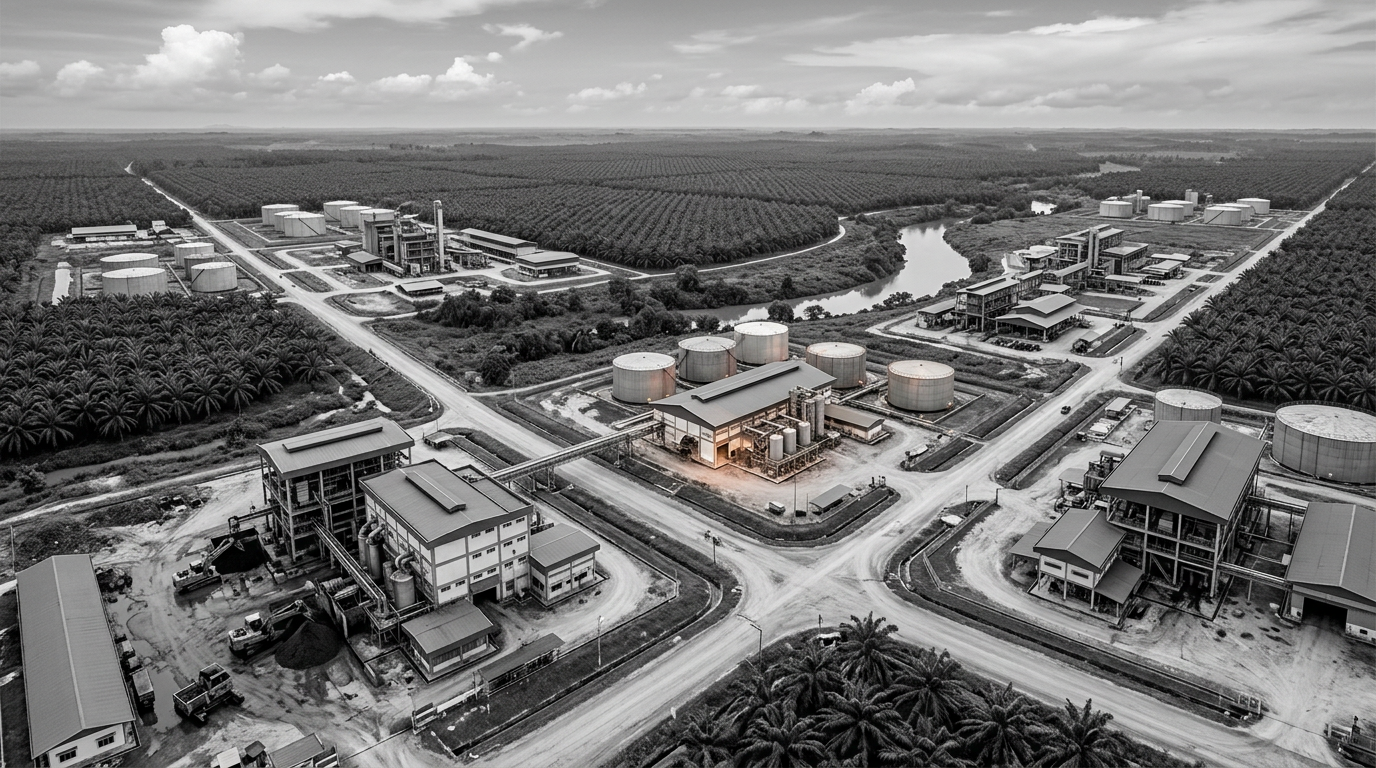
Indonesia's new biofuel mandate, set to take effect by year-end, will significantly increase domestic demand for palm oil, potentially straining local producers. The world's largest palm oil producer aims to implement a higher blend of palm oil-based diesel, known as B40, up from the current B35 standard. This move is projected to divert substantial volumes of crude palm oil (CPO) from export markets to meet national energy requirements. Industry analysts anticipate this will lead to tighter global supplies and upward pressure on international prices for the commodity.
Indonesian Domestic Consumption Escalates
Officials indicated that the domestic consumption of palm oil for biofuel could reach 12.5 million tons annually under the B40 program. This figure represents a notable increase from the approximately 10.5 million tons consumed under the B35 mandate. The increased demand is designed to reduce Indonesia's reliance on imported fossil fuels and support the domestic palm oil industry. However, it also raises concerns among crushers and refiners regarding their capacity to meet both local biofuel targets and traditional export commitments. The shift is expected to challenge the logistics and processing capabilities of the nation's palm oil sector.
The Indonesian government is set to finalize implementation details for the B40 mandate by December 31, 2026, with full rollout anticipated shortly thereafter.