India’s Cement Slowdown Signals Broader Economic Headwinds
Stagnant cement prices in India, driven by the monsoon and weak demand, serve as a key indicator of a cooling domestic economy with potential ripple effects…
Mei Lin ·
India’s Cement Slowdown Signals Broader Economic Headwinds
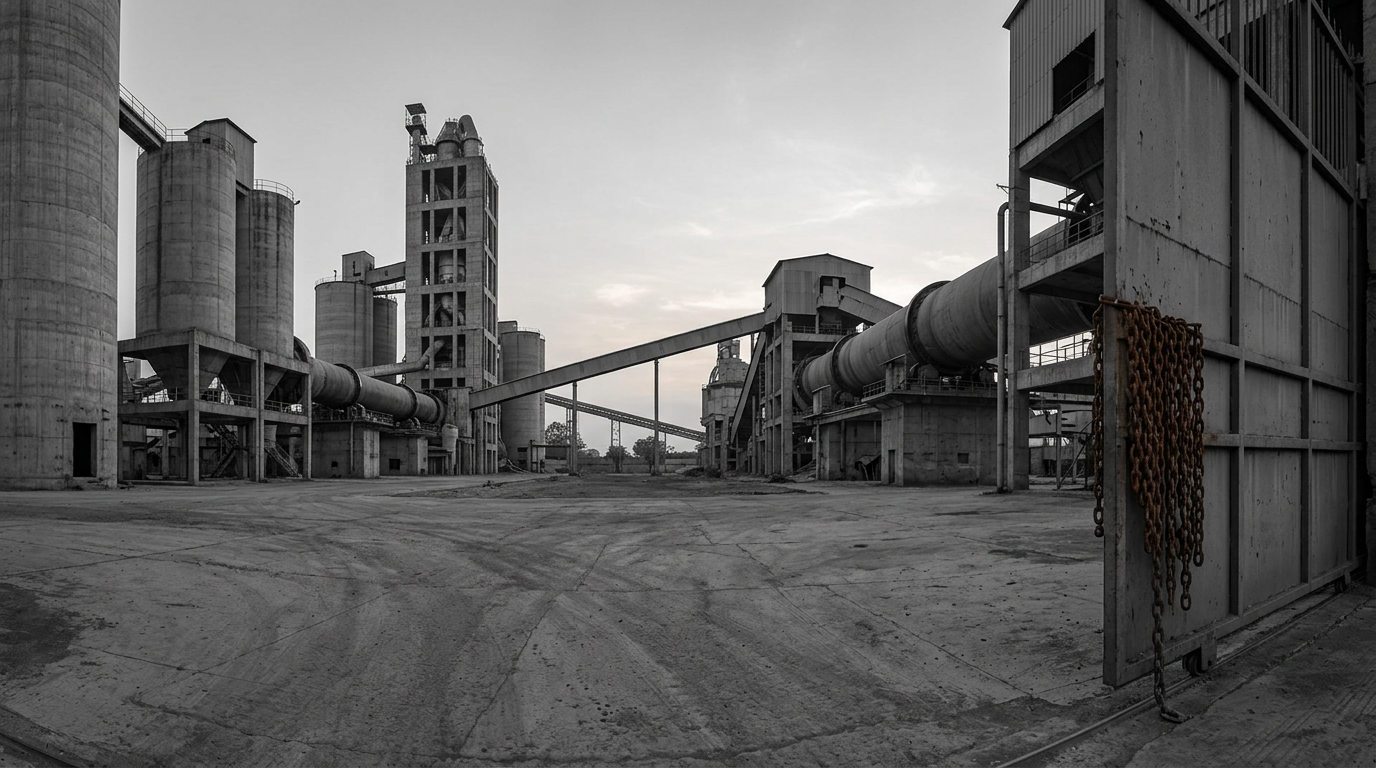
New Delhi's cement market is bracing for a stagnant July, with the onset of the annual monsoon and persistent weak demand halting recent price momentum. Following a minor uptick in June, fresh industry analysis from The Economic Times shows that producers are now focused on defending current price levels rather than pursuing increases. This pressure on a core industrial sector serves as a potent indicator of cooling domestic economic activity in one of Asia's most crucial growth markets.
Background
India's construction sector is a vital engine of its economy, contributing significantly to GDP and acting as a massive employer. The sector's health is closely tied to both government-led infrastructure projects and private real estate development. The Indian government has prioritized infrastructure through ambitious programs, but translating capital outlay into on-the-ground activity faces seasonal and economic hurdles. Cement demand, a primary barometer for construction, typically experiences a sharp downturn during the monsoon season (June-September) as heavy rains halt building activity across much of the country.
This year, the seasonal slowdown is amplified by underlying sluggishness in demand that predates the rains. While cement producers benefited from some pre-monsoon stockpiling and quarter-end sales targets in June, that momentum is not expected to carry through the third quarter. High input costs, particularly for energy sources like coal and petroleum coke, have already squeezed producers' margins over the past year. The current pricing environment suggests that they lack the market power to pass these costs on, a clear sign of weak end-user demand from both housing and large-scale infrastructure projects.
Why it matters
The stability of cement prices in India is more than a domestic concern; it is a bellwether for the region's economic trajectory. As a voracious consumer of raw materials, a slowdown in India's construction industry directly reduces its appetite for global commodities such as coal, petcoke, and steel. This can ease upward pressure on global prices but also signals contracting industrial activity in a country that has been a reliable source of global demand growth. International commodity traders and resource-exporting nations watch these trends closely.
For foreign investors, the health of India’s construction sector is a proxy for the broader economy and the government's ability to execute its ambitious infrastructure agenda. A sustained lull could temper enthusiasm and affect capital flows into the region. It raises questions about whether India can maintain its high-growth narrative amid domestic headwinds, which could influence sentiment toward other emerging markets in the Association of Southeast Asian Nations (ASEAN) and beyond. The speed of infrastructure development is also critical to India’s efforts to position itself as an alternative manufacturing hub in global supply chains, making any delays a strategic concern.
What to watch
Our forward call is to monitor post-monsoon demand signals as the most reliable indicator of underlying economic strength. We will track subsequent reports on third-quarter cement sales volumes and prices, as well as commentary from the earnings calls of major Indian cement producers. If, by the end of October 2024, cement prices have remained stable or declined, it would confirm that sustained demand weakness is hampering a construction rebound. This would signal a broader economic slowdown and likely impact India's official growth projections for the fiscal year. Conversely, if prices rise significantly post-monsoon, it would suggest a faster-than-expected recovery in construction and stronger underlying economic momentum.