Indian telcos plan tariff hikes to lift ARPU
Indian telcos are preparing tariff hikes, analysts say, with markets awaiting details on timing and size through September 30, 2026.
Mateo Fernandez ·
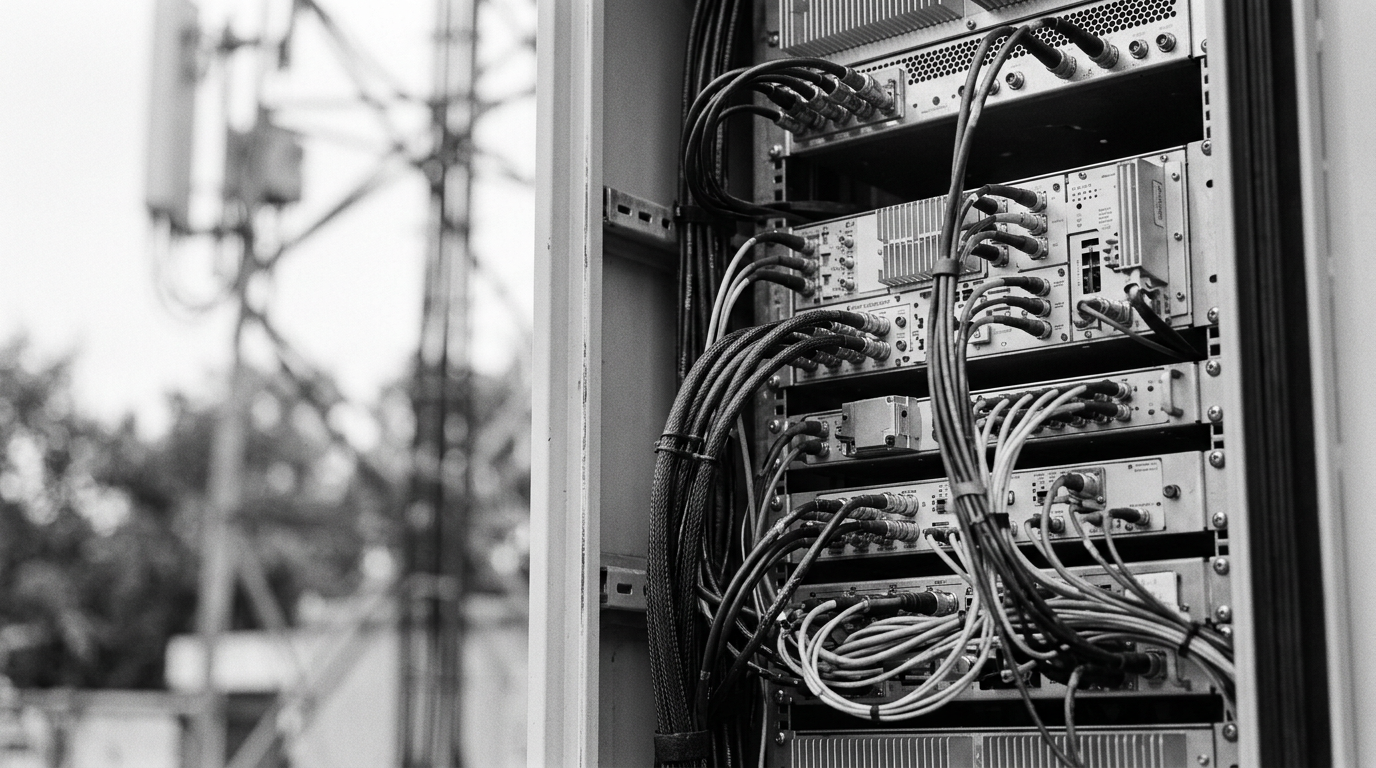
Indian telecom operators are preparing tariff increases in a move that analysts expect could raise average revenue per user (ARPU) and improve cash generation across the sector. An analyst at Swastika InvestmaSources said the market is still waiting for clearer signals on the timing and scale of any repricing before forming a firm investor reaction.
Analysts described the preparations as part of a broader shift in the industry’s growth model. Rather than relying mainly on low-cost data offers and rapid subscriber additions, operators are increasingly prioritising premium plans and higher-margin services, a change that could influence near-term earnings expectations for the largest companies.
ARPU strategy and how benefits may differ
They added that this set of dynamics could Analysts said a higher ARPU profile would support operating cash flow and could reduce reliance on aggressive discounting or additional financing. They added that this set of dynamics could strengthen the investment case for Reliance Industries, Bharti Airtel and Vi, though the channels of benefit may vary by company. According to the analysts, operators with broader service bundles and fixed-mobile integration are better positioned to capture a larger share of any upside if tariffs are reset higher. They cautioned, however, that smaller players or companies with heavier debt burdens may see only limited improvement even if headline ARPU rises. Execution risks: churn, oversight, and competitive response Analysts warned that raising tariffs comes with operational and commercial risks. One concern is subscriber churn if price increases are perceived as too steep or implemented without careful phasing, which could undermine the intended ARPU uplift.
They also said regulatory scrutiny could intensify if price adjustments are large or viewed as disruptive for consumers. In parallel, analysts identified competition as a key sensitivity: rivals’ responses could force operators to pass through only part of the planned increase, potentially limiting margin recovery and reducing the financial benefit that higher nominal tariffs might otherwise generate.
Timeline focus: signals and proposals through September 30, 2026 Market attention is expected to remain centred on formal tariff proposals and any regulatory commentary through September 30, 2026, analysts said. They added that filings or clear company guidance by that date could lead equities to reprice based on expectations of higher and more durable ARPU.
At the same time, analysts said delays in proposals or a more muted implementation than anticipated would likely keep pressure on margins and valuations. Until operators provide more specific guidance, uncertainty remains over how quickly any ARPU improvement could translate into stronger earnings and cash generation.