Indian Equities Faced Headwinds Amidst Oil Price Surge
Indian equity markets saw weakness over six months as Brent crude prices surged from $70 to over $120 due to the Iran conflict, impacting energy stocks and consumer sentiment.
Mateo Fernandez ·
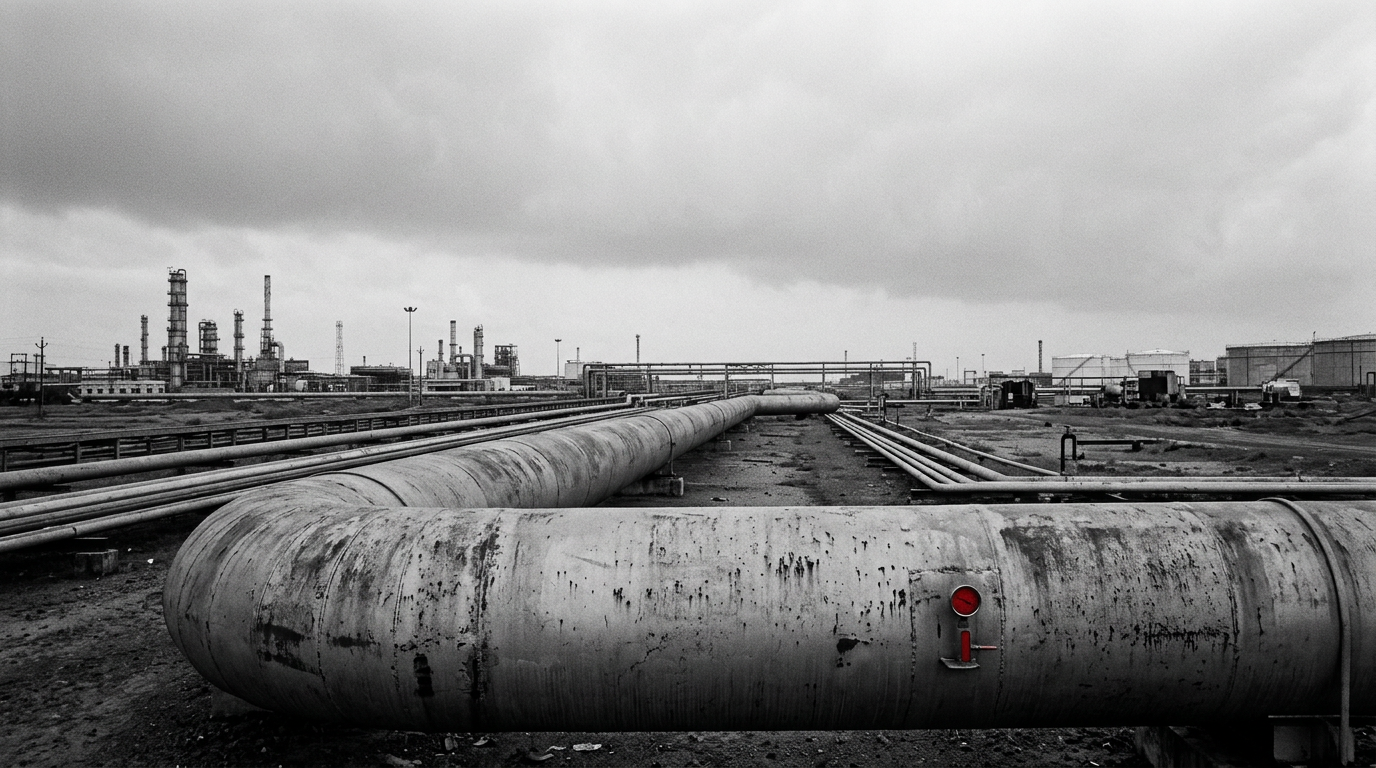
Indian equity markets experienced a period of downturn over six months, a trend that coincided with a substantial increase in Brent crude oil prices. The price of oil escalated significantly, rising from approximately $70 to more than $120 per barrel. This sharp climb was attributed to the conflict in Iran, placing considerable pressure on oil and gas sector stocks and diminishing overall investor confidence within the Indian market, according to available market data.
The rise in global commodity costs translated directly into underperformance for companies operating within the energy sector. Analysts observed that these elevated oil prices led to higher input expenses for refiners and producers. This squeeze on profit margins also affected several downstream companies, negatively impacting their projected profitability.
Impact on Key Economic Sectors
Beyond the immediate energy industry, the consequences of higher crude prices extended to household finances. Increased fuel costs reduced the purchasing power of consumers, which market participants indicated subsequently weighed down consumer-oriented sectors. This reduction in disposable income also contributed to a slowdown in domestic demand growth, affecting diverse segments of economy.
Market observers noted that portfolio flows amplified the market's response. Foreign investors began reducing their exposure to Indian companies particularly susceptible to commodity price volatility. This movement occurred as part of a broader global recalibration of risk. Simultaneously, some domestic investment funds strategically reallocated their holdings, shifting towards more defensive sectors in an effort to mitigate potential risks.
Broader Economic and Market Dynamics
Market strategists emphasized that this macroeconomic dynamic created significant cost and competitiveness challenges for India. A sustained increase in crude oil prices inherently inflates the nation's import bill. This situation carries the potential to broaden the current-account deficit, which, in turn, affects the country's currency valuation and the equity risk premium associated with its markets.
Investors are now closely monitoring the trajectory of oil prices. Particular attention is being paid to price movements during a specific 30-day period leading up to September 27, 2026. Market participants stressed that the behavior of oil prices within this timeframe will be a crucial determinant for the rebalancing of various sectors across the Indian economy and will influence future capital flows into Indian equities. The enduring stability or continued volatility in crude oil will serve as a key indicator for subsequent market adjustments.