India expands refining as Western capacity shuts
Modi inaugurated a $8.3 billion Rajasthan refinery, reinforcing India’s push to add fuel-processing capacity while Western plants close.
Mateo Fernandez ·
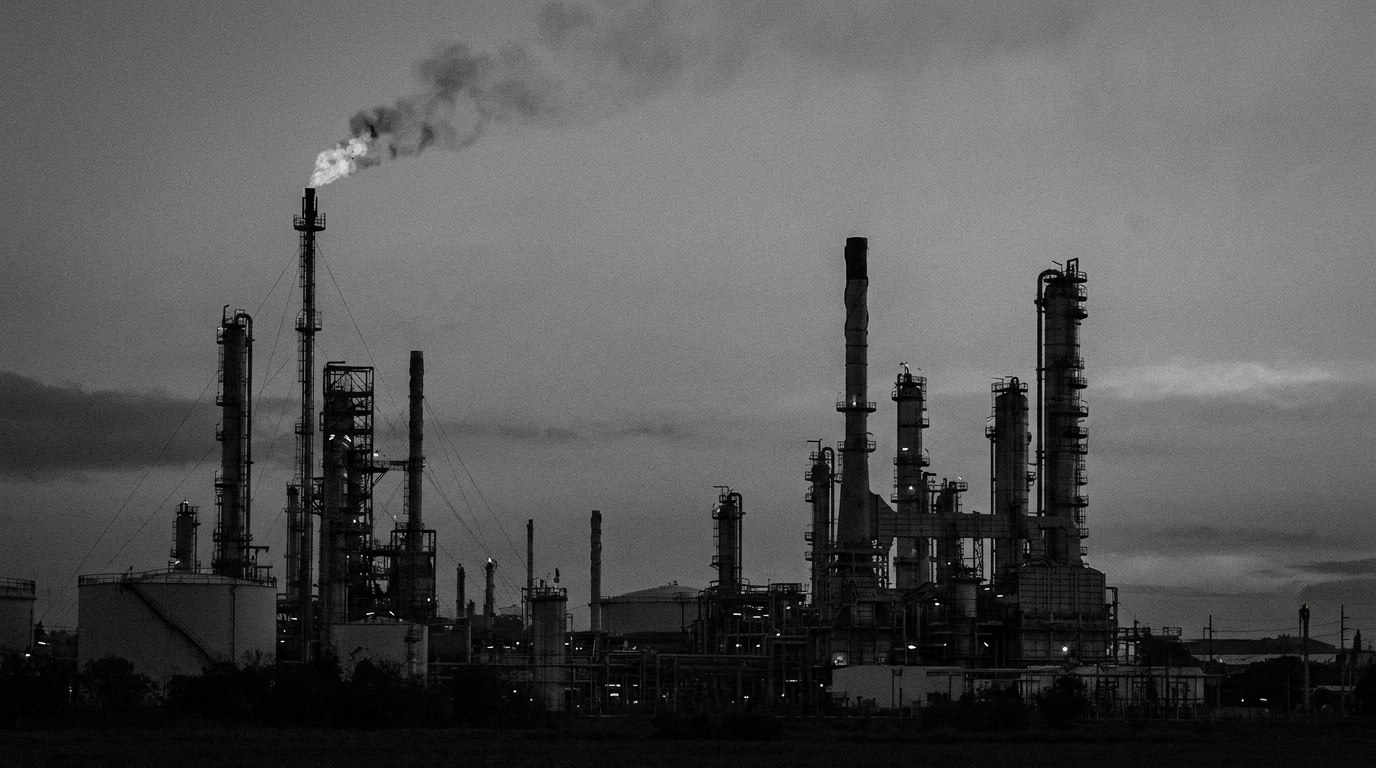
Prime Minister Narendra Modi said India will keep building crude oil refineries to secure supply chains, inaugurating a 180,000-barrels-a-day greenfield plant in Rajasthan’s Thar desert. Reaction pending. The $8.3 billion Barmer refinery is India’s first new refinery in a decade and adds fuel-processing capacity while Western economies retire ageing plants.
Barmer refinery shifts fuel supply
The refinery is a joint venture between state-run Hindustan Petroleum Corp. and the Rajasthan government. It includes 2.4 million tons a year of petrochemical capacity and is designed mainly to produce diesel, gasoline and petrochemicals.
Commercial operations began on June 22 after an April launch was delayed by a fire at the crude distillation unit. The plant will process about 150,000 barrels a day of imported crude, so it increases India’s product-making capacity without removing the country’s exposure to seaborne crude supply risk.
The project lifts India’s installed refining capacity by about 3.5% to 5.4 million barrels a day. India is projected to add more than 1 million barrels a day of refining capacity between 2026 and 2030, bringing national capacity toward 6.2 million barrels a day by the end of the decade.
For commodities markets, the mechanism is straightforward: more Indian capacity can increase Asian supplies of diesel and gasoline, changing export flows when Western capacity is shrinking. If crude shipments through the Strait of Hormuz face disruption, the refinery’s reliance on imported crude remains the main risk. By December 31, 2030, traders will judge whether India’s buildout has turned it into a more durable swing supplier of refined fuels.