United States Realigns South Asian Strategy
The U.S. has rebranded its Pacific Command and shifted to direct diplomacy in South Asia, ending India's role as the primary regional intermediary.
Atlas Newsdesk ·
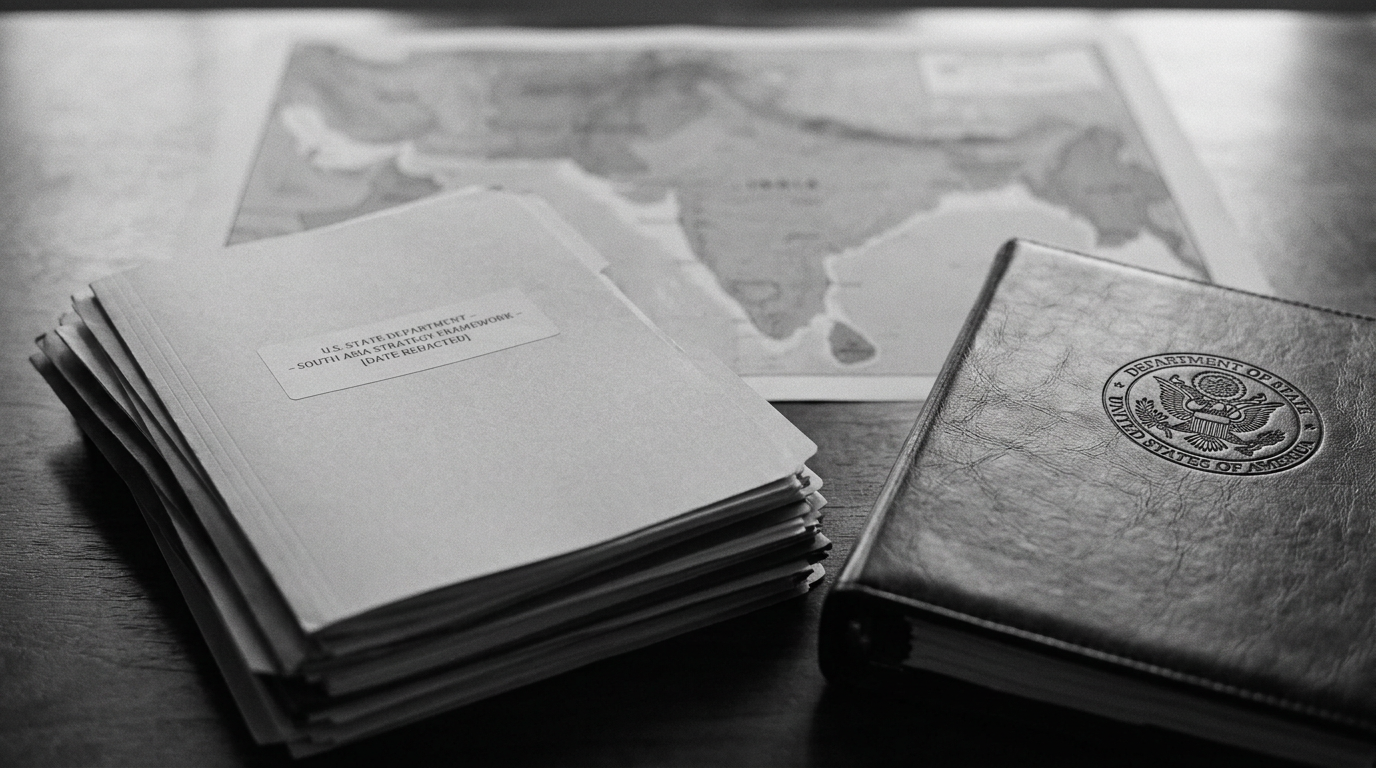
The United States military has officially redesignated its Indo-Pacific Command as the Pacific Command, signaling a fundamental shift in regional diplomatic and security architecture. This transition, confirmed in June 2026, marks the end of a policy framework that previously prioritized India as the primary regional interlocutor for Washington.
The strategic pivot moves away from the 2018 Indo-Pacific doctrine, which treated India as an indispensable counterweight to China. By removing the Indo prefix, the Pentagon is signaling a move toward a more fluid, multipolar engagement model. Washington is now pursuing direct, transactional relationships with Pakistan, Bangladesh, and Nepal, effectively bypassing New Delhi’s traditional regional influence. This approach allows the U.S. to engage these nations as independent actors rather than as extensions of Indian foreign policy.
The shift is driven by a desire to prevent any single power from dominating South Asia and to mitigate potential commercial competition from India in sectors such as semiconductors and pharmaceuticals. By fostering a pluralistic balance, the U.S. aims to secure critical mineral supply chains and maritime access. This policy evolution suggests that Washington will no longer grant India an informal veto over its regional engagements, prioritizing instead a network of pragmatic, interest-based partnerships across the subcontinent.