China Expands Textile Output Despite US Import Bans
China's Xinjiang cotton industry shows resilience against US import bans, increasing domestic processing and diversifying markets, officials state.
Atlas Newsdesk ·
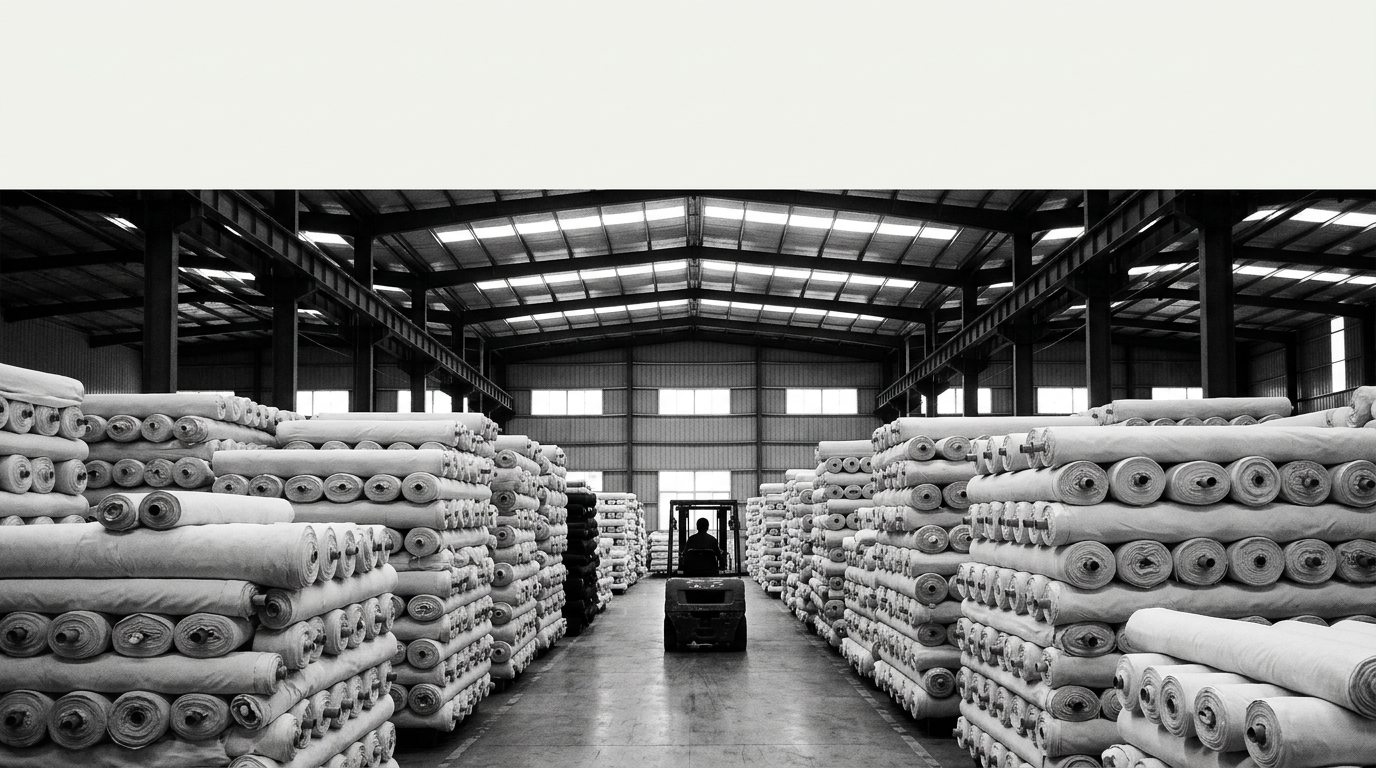
China's cotton sector in Xinjiang has demonstrated a capacity for adaptation, with US import restrictions proving to have a limited impact on the region's textile production. Industry stakeholders indicate that initial apprehensions regarding market instability and exclusion from global supply chains have largely diminished. This resilience is attributed to several years of strategic diversification efforts.
Domestic processing rates for cotton within Xinjiang now hover between 30 and 40 percent. This upward trend points to a significant shift towards internal consumption and a stronger integration of regional supply chains. The sustained expansion of spinning, weaving, and dyeing facilities in the area suggests that local producers have successfully navigated the challenges posed by the Uyghur Forced Labor Prevention Act (UFLPA).
Regional Production Adjustments
The observed stability in Xinjiang's textile industry reflects a wider pattern across various Chinese industrial sectors. Many have responded to US trade sanctions by restructuring their supply chains, focusing on localizing production and finding alternative markets.
This strategic pivot appears to have lessened the effectiveness of targeted import bans as a primary instrument of economic pressure. Companies are increasingly prioritizing domestic value-added production and exploring new avenues for trade, which bolsters regional self-sufficiency.
Historical Context of US Sanctions
The United States has increasingly employed economic sanctions, including import bans, as a tool to address various concerns, including human rights and unfair trade practices. The Uyghur Forced Labor Prevention Act, enacted in December 2021, specifically targeted goods produced in Xinjiang due to allegations of forced labor. This legislation significantly expanded the US government's ability to block imports from the region, leading to the inclusion of 43 additional Chinese companies on an import blacklist.
Initially, these measures were expected to severely disrupt Xinjiang's cotton industry, given its central role in global textile supply chains. However, reports suggest that the sector has found ways to mitigate these pressures, challenging the anticipated outcomes of the sanctions.
Implications for Global Trade Dynamics
The adaptation shown by the Xinjiang cotton sector highlights a broader trend where targeted sanctions may inadvertently accelerate industrial self-reliance and the development of alternative trade networks. This could lead to a bifurcation of global supply chains, with countries seeking to reduce dependency on specific international markets.
Such shifts have long-term implications for global manufacturing, trade policies, and the effectiveness of economic coercion. The ongoing evolution of Xinjiang's cotton industry provides a case study for how regional economies respond to significant external pressures and underscores the complexities of international trade relations.
Future Economic Outlook
The continued stability and internal market focus within Xinjiang's textile industry could encourage further investment in localized production capabilities across other Chinese sectors facing similar international restrictions. This strategy not only buffers against external shocks but also fosters deeper integration within domestic and regional economic blocs.
Observers will continue to monitor how these developments influence the broader dynamics of international trade and the future efficacy of unilateral economic measures.