US Officials Meet Central Asian Leaders Amid SCO Summit
United States officials engaged Kyrgyz, Tajik, and Uzbek leaders in Bishkek, coinciding with the SCO summit, highlighting intensified geopolitical…
Lauren Collins ·
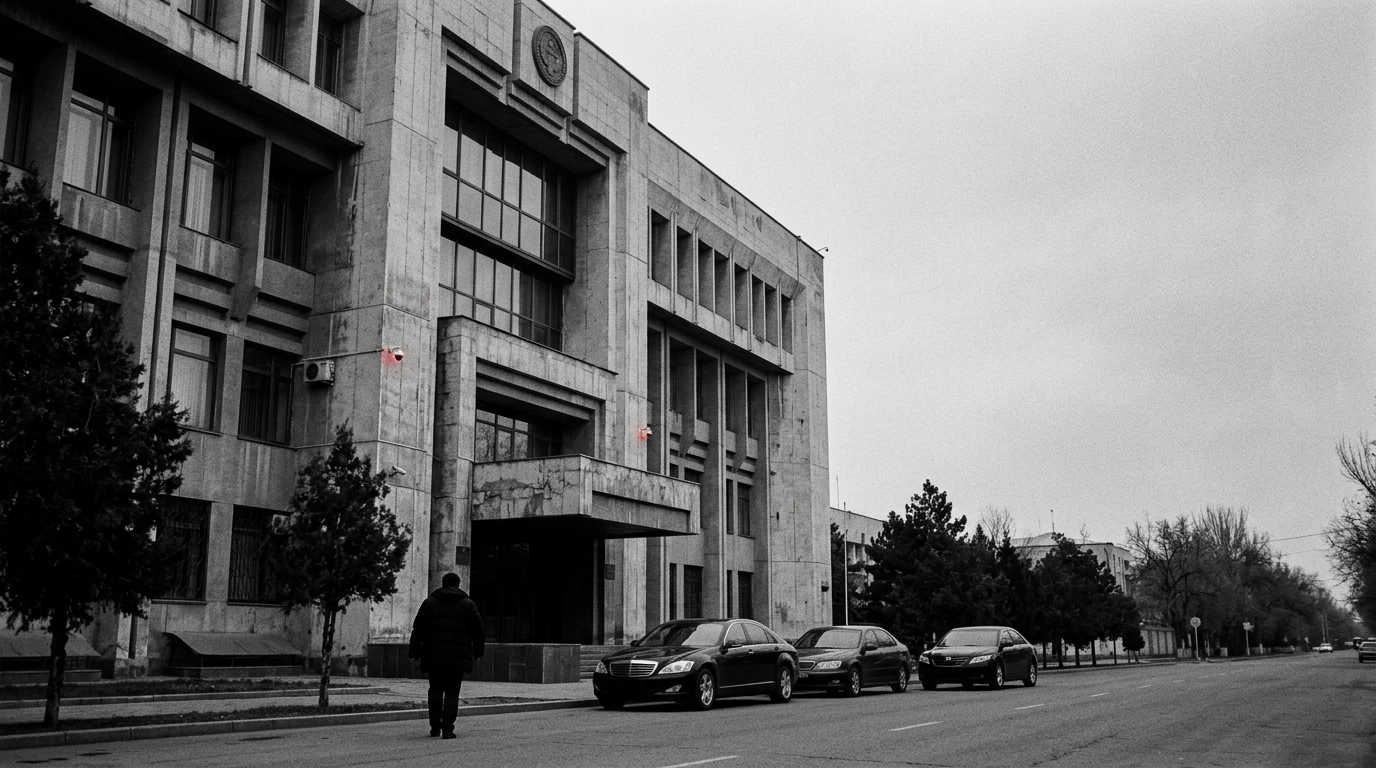
United States officials recently held high-level discussions with the presidents of Kyrgyzstan, Tajikistan, and Uzbekistan in Bishkek. These meetings took place this week, coinciding with the Shanghai Cooperation Organization (SCO) summit, which gathered leaders from China, Russia, India, and Iran in the Kyrgyz capital. The simultaneous diplomatic presence of American representatives and SCO member state leaders underscores a growing geopolitical competition for influence across the Central Asian region.
Washington's proactive outreach signals a strategic intent to maintain its presence and to counter the expanding political and economic influence wielded by China and Russia in this strategically vital area. The discussions aimed to deepen bilateral ties, offering an alternative partnership model to the region's nations amidst increasingly complex power dynamics.
Diplomatic Engagements in Bishkek
The American delegation conducted separate meetings with Kyrgyz President Sadyr Japarov, Tajik President Emomali Rahmon, and Uzbek President Shavkat Mirziyoyev. These engagements occurred concurrently with Chinese President Xi Jinping and Russian President Vladimir Putin's participation in the SCO summit, alongside other heads of state including those from India and Iran.
These bilateral discussions emphasize Washington's ongoing efforts to strengthen relationships with Central Asian nations. Historically, the region has been under significant Russian influence and is increasingly becoming a central point for Chinese economic initiatives. Observers suggest that the United States is seeking to provide an alternative partnership model, aiming to counterbalance the narratives of a dominant Sino-Russian alliance and foster greater regional autonomy.
Central Asia's Balancing Strategy
Regional analysts indicate that Central Asian states are unlikely to abandon their established multi-vector foreign policies in favor of an exclusive alignment with any single power, including the United States. These nations typically strive to balance the competing interests of major global powers. This approach enables them to preserve their strategic autonomy and foster economic diversification, a long-standing objective since their independence from the Soviet Union.
The current diplomatic maneuvers suggest that while Washington is augmenting its regional footprint, Central Asian governments will continue to navigate intricate geopolitical pressures. Their primary objective remains to derive benefits from engagements with all significant international actors. The region's enduring strategic importance, positioned at a crossroads of trade and influence, guarantees sustained attention from global powers, including European Union countries and Turkey, which have also sought to deepen ties.
Historical Context and Future Outlook
Central Asia's geopolitical significance extends back centuries, amplified in modern times by its substantial energy resources and critical role in international transit corridors connecting East and West. Following their independence, these nations have consistently sought to diversify their foreign relations beyond Moscow, actively engaging with a broader array of global and regional partners.
The intensified diplomatic activity reflects a broader global trend of major powers vying for strategic alliances, resource access, and influence. For Central Asian states, this competition presents both opportunities for development and leverage, as well as significant challenges in maintaining sovereignty amidst powerful external pressures. Future interactions will likely see these nations carefully weighing their options, always prioritizing national interests and internal stability as they navigate the complex landscape of global power projection.