Formula 1 Eyes Imola as Potential 2026 Season Finale Host
F1 may move its 2026 season finale from the Middle East to Imola, Italy, due to regional instability. A final decision is expected by September 15.
Atlas Newsdesk ·
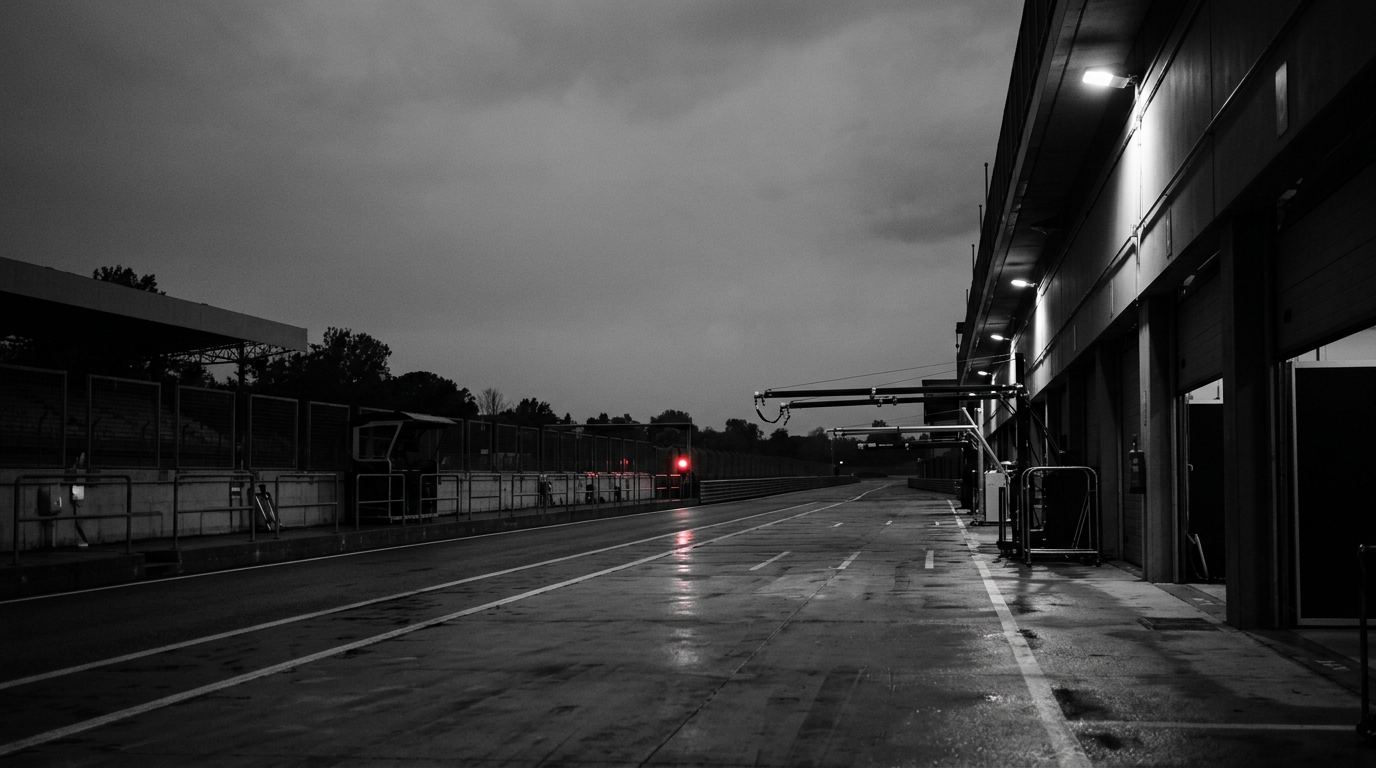
Formula 1 officials are actively assessing alternative venues for the concluding two races of the 2026 season, with a definitive decision expected by September 15. The strategic review comes amidst persistent geopolitical tensions in the Middle East, which have introduced significant operational uncertainties for the planned events in Qatar and Abu Dhabi.
One primary contingency plan involves shifting these pivotal races to the Enzo e Dino Ferrari circuit in Imola, Italy. This proposal aims to safeguard the integrity of the 22-race calendar, a crucial factor for Formula 1 to avert contractual penalties with its global television rights partners. The organization's commitment to a full schedule underscores its financial obligations and broadcasting agreements worldwide.
Managing Operational Shifts
Under the prospective relocation scenario, the original promoters from the Middle East would retain their financial entitlements and promotional obligations. Conversely, local Italian organizations would assume responsibility for the on-ground execution and management of the events. This division of labor seeks to maintain existing commercial arrangements while ensuring the logistical viability of the races.
Formula 1 teams have already begun to make provisional logistical arrangements in Italy. These preemptive actions serve as a safeguard against any further escalation of regional instability that could jeopardize the scheduled Middle Eastern events. This demonstrates a proactive approach to mitigating potential disruptions well in advance of the 2026 season.
Addressing Imola Venue Challenges
While Imola presents a viable alternative, the proposed venue is not without its own set of operational considerations. A key concern revolves around potential adverse weather conditions in late November, the typical timeframe for the season's final races. Fog and reduced daylight hours could necessitate substantial adjustments to the event schedule, particularly concerning the safe operation of medical and broadcast helicopters.
Ensuring regulatory compliance and participant safety under such conditions would be paramount, potentially requiring revised timetables for practice sessions, qualifying, and the main races. Formula 1's ongoing evaluation will undoubtedly weigh these logistical and environmental factors against the geopolitical risks associated with the original locations.
Broader Implications for the Calendar
The potential relocation highlights the intricate balance Formula 1 must maintain between its commercial interests, logistical capabilities, and global geopolitical landscape. The sport's expanding calendar and increasing reliance on international markets mean that such contingency planning is an ongoing necessity.
The decision by mid-September will provide clarity for teams, broadcasters, and fans, allowing ample time for comprehensive preparations. This period of evaluation underscores the complex decision-making process involved in managing a global sports spectacle amidst an unpredictable world stage.