Climate Volatility Strains Turkey’s Agricultural Productivity
Severe weather and drought have triggered significant 2025 crop losses in Turkey, highlighting an urgent need for climate-resilient investment and financing.
Cuneyd Erdogan ·
The Impact of Climate Instability on Harvests
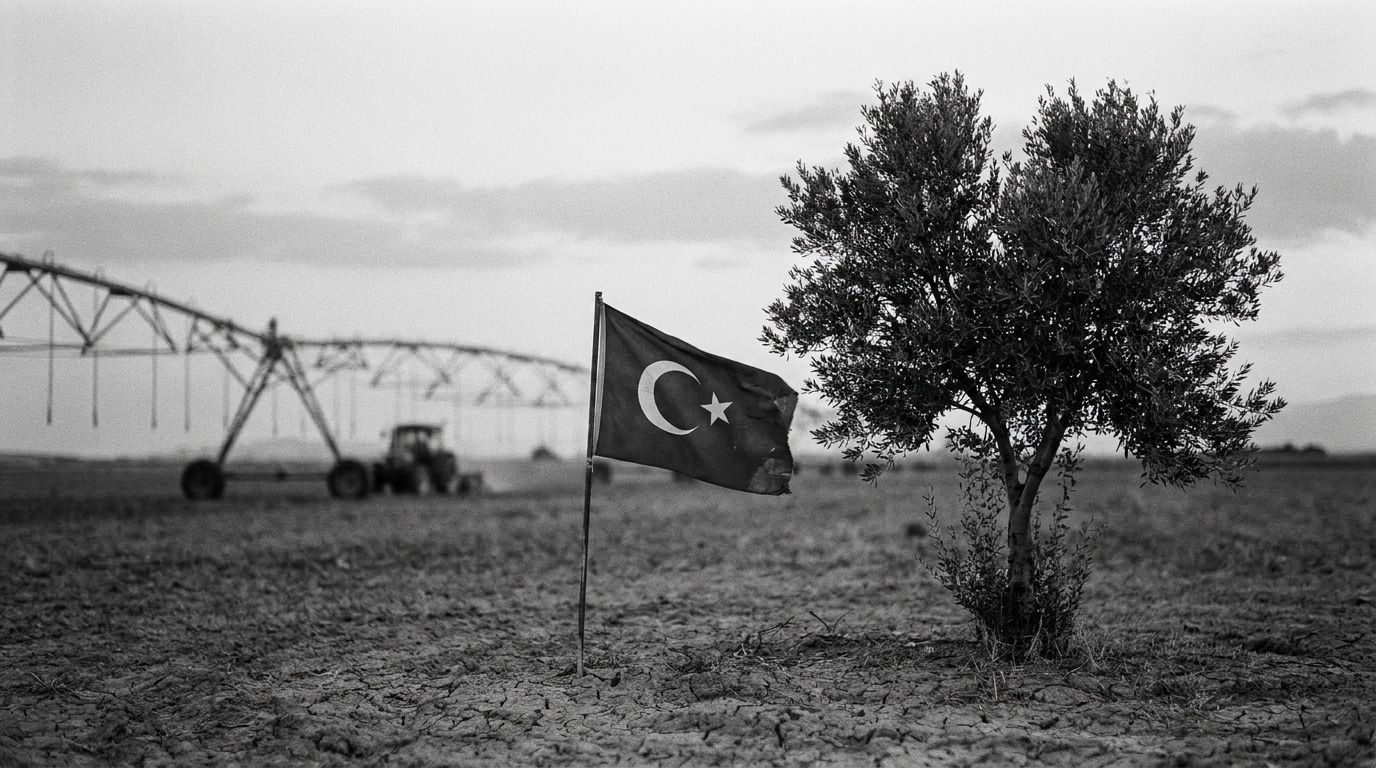
Turkey’s agricultural sector is grappling with substantial production deficits throughout 2025, driven by persistent drought conditions and extreme weather events. This situation has evolved from a temporary supply disruption into a structural challenge that threatens the long-term resilience of the nation's food production model. Beyond the immediate impact on farm income, these declines are creating ripple effects that influence raw material availability and operational costs for downstream industries.
Recent data indicates a sharp contraction in key staples, with wheat yields dropping by 13.7% and barley production falling by 25.9%. Certain fruit varieties have experienced losses exceeding 70%, underscoring that climate-related risks are affecting both essential food groups and high-value export commodities. These figures suggest that the volatility is no longer localized but is instead impacting the broader agricultural landscape.
Barriers to Technological Adaptation
Reports describe the 2025 drought as the most severe in over half a century, causing profound damage to cereal crops. Furthermore, unexpected frost events in April significantly reduced yields for apricots, cherries, and pistachios, placing immense pressure on the cash flow of agricultural enterprises. While modern solutions like automated greenhouse systems, frost fans, and hail netting are available, their adoption remains limited.
A primary obstacle is the prevalence of approximately 2.5 million micro-scale family farms, which lack the capital reserves necessary to self-fund these climate-resilient technologies. With a significant portion of monthly net income already earmarked for recurring seasonal input costs, these smallholders have little room for capital investment. Consequently, the inability to modernize creates a cycle where rising climate risks lead to greater yield instability, which in turn necessitates even higher levels of external financing.
The Role of Financial Institutions
Sustainability criteria and green asset mandates are beginning to reshape the design of agricultural credit products. Access to international climate finance, combined with targeted public subsidies and low-interest loans, could prove decisive in helping small-scale producers bridge the technological gap. Furthermore, public-private risk-sharing frameworks are being explored as potential tools to mitigate the financial barriers associated with high-cost infrastructure investments.
Macroeconomic and Sectoral Implications
The ongoing production shortfalls carry significant weight for the national economy, particularly regarding food inflation and the potential necessity for increased imports. A reliance on foreign supply could exacerbate concerns regarding the current account balance and broader trade dynamics. Meanwhile, the agricultural industry faces a period of adjustment where supply chain contracts and pricing strategies must adapt to the new reality of unpredictable raw material availability.
From a market perspective, the fluctuation in repayment capacity among farmers may influence how banks manage risk and set reserve policies. As food price volatility persists, it is likely to influence inflation expectations and, by extension, the broader interest rate environment. The long-term stability of the sector will depend heavily on the successful integration of climate-resilient practices and the availability of supportive financial mechanisms. 🌐