Iceland Freezes EU Talks as Voters Reject Referendum
Iceland's electorate has rejected a proposal to resume EU membership negotiations, with 52.5% opposing, effectively halting the government's initiative.
Atlas Newsdesk ·
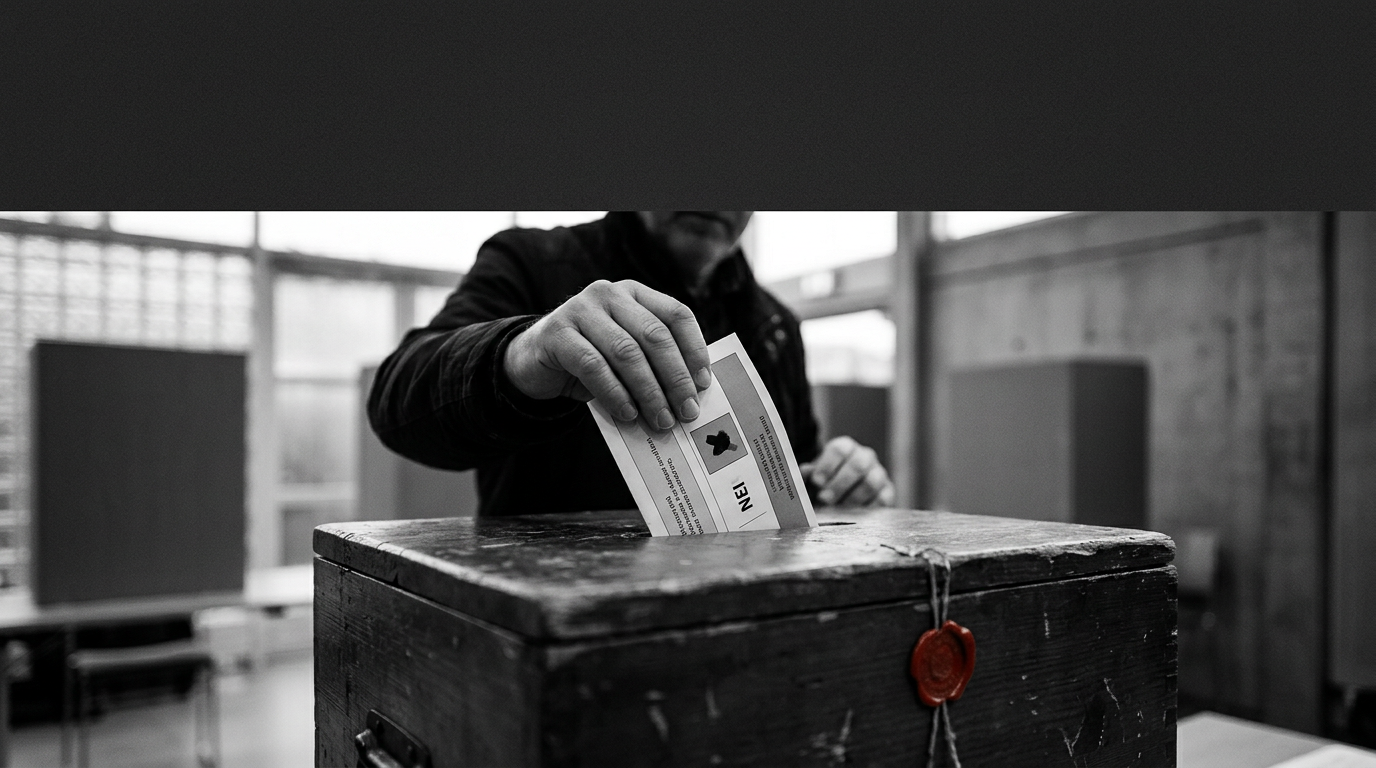
Icelandic voters have turned down a government initiative to restart accession negotiations with the European Union. Results reported by national broadcaster RUV on Sunday indicated that 52.5 percent of ballots cast across the country's six voting districts opposed the measure, while 47.5 percent supported it. This outcome effectively brings a definitive halt to the government's efforts to revive discussions regarding potential EU membership.
The referendum followed an extensive campaign where the government presented EU membership as a crucial step for stabilizing the domestic economy and enhancing regional security. Supporters of the proposal argued that joining the bloc could help alleviate high interest rates within Iceland and establish a strategic safeguard against broader geopolitical uncertainties. They emphasized the economic benefits and the potential for increased stability.
Sovereignty Concerns Predominate
Conversely, those against renewed talks voiced significant concerns that integration into the EU would diminish national sovereignty. A key argument from opponents centered on the potential loss of control over Iceland's vital fishing waters, a cornerstone of the nation's economy and identity. The protection of these resources was a primary driver for the 'no' vote, highlighting deep-seated apprehensions about external influence on national policy.
The decision by voters concludes the government's attempt to restart a process that began in 2009. Initial accession talks were launched in the wake of a severe financial crisis but were later suspended in 2013 by a Eurosceptic administration. The recent government sought to revisit this decision, believing the current geopolitical and economic climate warranted another look at EU ties.
Political Implications and Future Direction
Prime Minister Kristrún Frostadóttir had previously stated that a rejection by the electorate would conclusively end the ongoing debate about the country's possible entry into the European Union. This vote therefore carries significant political weight, cementing Iceland's current non-EU status and reflecting a clear public stance against deeper integration at this time. The result signifies that for the foreseeable future, Iceland will continue to navigate its economic and security challenges outside of the European Union framework, maintaining its independent approach to international relations and resource management.
The outcome could also influence future political discourse within Iceland, potentially solidifying the position of Eurosceptic parties and shifting policy focus towards alternative bilateral or multilateral agreements outside the EU. The emphasis on national control over fisheries and natural resources remains a dominant theme in Icelandic politics, shaping its relationship with international bodies and its economic trajectory.