Telehealth expansion narrows rural gaps in Zimbabwe
Telehealth centers launched in 2024 have delivered 28,000 virtual consultations and 25,000 tests by 2026, easing rural access in Zimbabwe.
Atlas Newsdesk ·
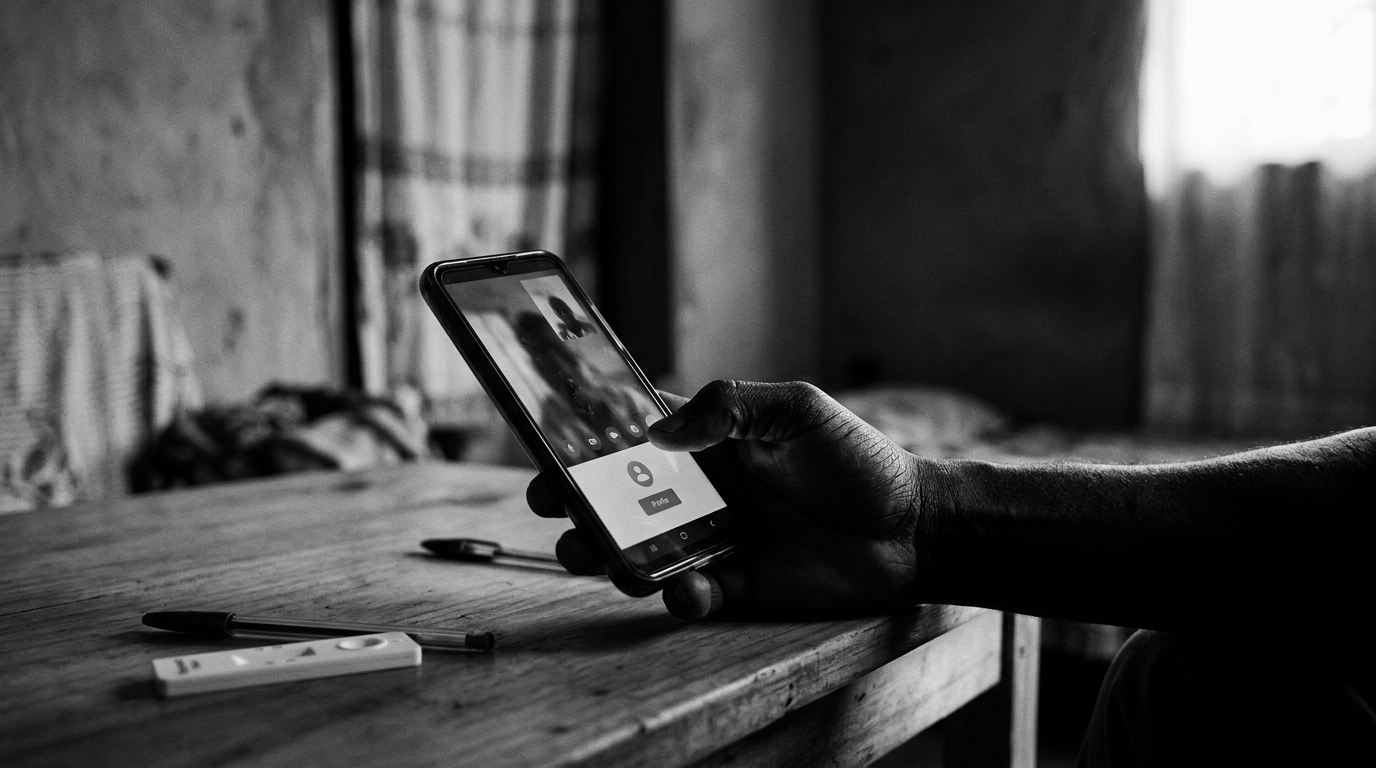
Telehealth services in rural Zimbabwe are expanding access to medical consultations and basic diagnostics, as a long-running shortage of doctors continues to strain care in remote areas. Organisers say the programme is helping patients get assessed closer to home, reducing the need for costly and time-consuming travel to major hospitals.
The initiative was launched in 2024 by ZimSmart Villages in partnership with NetOne and Zimbabwe Posts. It is built around existing postal infrastructure, which is used as a physical network to host services that connect rural patients with urban-based medical professionals through satellite-linked video consultations.
Telehealth hubs built on postal sites and satellite links As of 2026, the programme has established 28 centres across seven provinces. Organisers said those sites have supported more than 28,000 virtual consultations and carried out 25,000 diagnostic tests, reflecting rising demand for services that can be delivered without an in-person visit to a city hospital.
To keep sessions running in areas with frequent power instability, the centres use Starlink satellite connectivity and lithium battery backups. The model is designed to keep essential systems functioning even when grid power is disrupted, which organisers say is a recurring operational challenge in the regions being served.
How the consultations work
The workflow relies on local nurses to conduct initial screenings, including vital signs, before a remote physician reviews the information and performs an assessment by video. Organisers describe the setup as a way to extend the reach of doctors based in urban areas into communities where medical staffing is limited.
The programme targets a documented gap in national coverage. Zimbabwe has 1.7 doctors per 10,000 residents, a disparity that has left rural communities particularly exposed to delays in diagnosis and follow-up care, according to the organisers.
Lower travel burden and a price point aimed at affordability Organisers said the telehealth centres have cut travel demands for patients who previously faced trips of up to 70 kilometers to access urban hospitals. By bringing consultations and basic testing closer to where people live, the model aims to speed up routine checks and reduce indirect costs associated with transport and missed work time.
Consultations are priced between $2 and $10, which organisers frame as a lower-cost alternative to private clinics. The pricing is intended to keep the service within reach for rural households while still supporting day-to-day operations at the sites.
Chronic care gains, but specialist services remain limited Organisers said the centres have been able to help manage chronic conditions including hypertension and diabetes, where regular monitoring and timely adjustments can be handled through structured remote follow-ups. They also acknowledged limits in what the current digital framework can provide.
Specialist services such as mental health support and complex disease management remain constrained under the present model, according to organisers. They said the programme’s current scope does not fully meet every category of patient need, underscoring that telehealth is improving access but not replacing higher-level specialist capacity.