Red Bull Racing Slips to Fourth in 2026 Standings
Red Bull Racing is fourth in the 2026 Constructors’ race after F1 rule changes, with reliability faults and balance problems limiting podium chances.
Mehmet Şahinoğlu ·
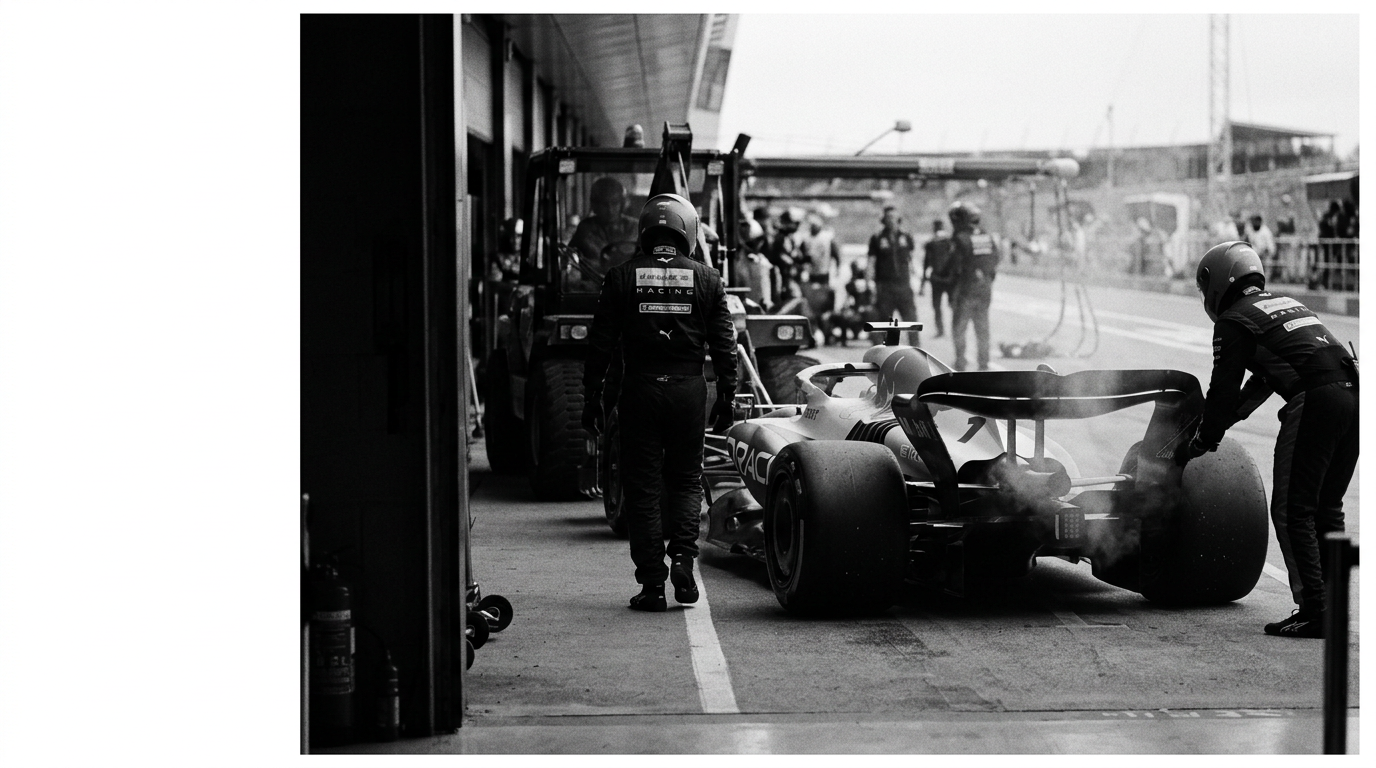
Red Bull Racing has dropped to fourth in the 2026 Constructors’ Championship, a sharp slide in form that has followed Formula 1’s 2026 regulatory reset. Officials and team comments cited ongoing mechanical reliability problems and an inconsistent car balance as the core factors that have reduced the team’s ability to fight for podium finishes.
The downturn stands out because Red Bull remained in the fight for the 2025 drivers’ title until the final phase of that season. In 2026, the new rules appear to have affected Red Bull more than several of its main competitors, leaving the team trying to recover performance while also managing repeated technical interruptions across race weekends.
Reliability faults and a rear-wing issue
Red Bull Racing
A central theme of Red Bull’s season has been a run of technical failures, with particular attention on the rear wing assembly. Those faults have contributed to multiple retirements, limiting points opportunities and disrupting the team’s ability to build momentum across consecutive rounds.
Beyond the immediate loss of results, the rear-wing defects have raised safety concerns during high-speed sessions. The incidents prompted a mid-season decision to revert to earlier design specifications, a step that reduced near-term risk but also constrained development progress as rivals continued refining their 2026 packages.
The return to older specifications has effectively slowed iteration speed on the current car. With reliability and balance both cited as problems, the team has faced the challenge of improving performance without triggering further failures, a trade-off that can shape how aggressively upgrades are introduced during a season.
Verstappen’s results and the intra-team picture Red Bull Verstappen’s results and the intra-team picture Red Bull Racing On track, Max Verstappen has delivered Red Bull’s strongest results of the year, taking second-place finishes in Austria and Hungary. Those two runner-up outcomes represent the team’s best race results so far in 2026, even as overall competitiveness has remained below its recent benchmark. In comparisons with teammate Isack Hadjar, Verstappen has held a clear advantage. He leads 8-3 in head-to-head measures in both qualifying and race trim, underlining that Red Bull’s points potential has leaned heavily on its lead driver while the car’s limitations persist. Departures, governance questions, and retention risk Red Bull is also dealing with internal strain as it navigates the exit of several important technical and management figures. The team’s ability to stabilise operations is being treated as a key risk factor alongside the engineering work needed to close the performance gap.
Speculation has also centred on Verstappen’s long-term commitment despite a contract that runs through 2028. That uncertainty, combined with personnel turnover, adds another layer of pressure as management seeks to show a credible plan for technical recovery and organisational stability.
Red Bull management faces a dual task: fixing the car’s performance deficits while reducing the conditions that can drive further attrition. Officials indicated that failing to demonstrate a clear route back to competitiveness could intensify talent losses and weaken the team’s position in upcoming seasons.