Ferrari’s 2026 wins mask tyre and heat weaknesses
Ferrari has two 2026 F1 wins after a winless 2025, but officials say tyre wear, heat sensitivity and tight gaps keep pressure on upgrades.
Mehmet Şahinoğlu ·
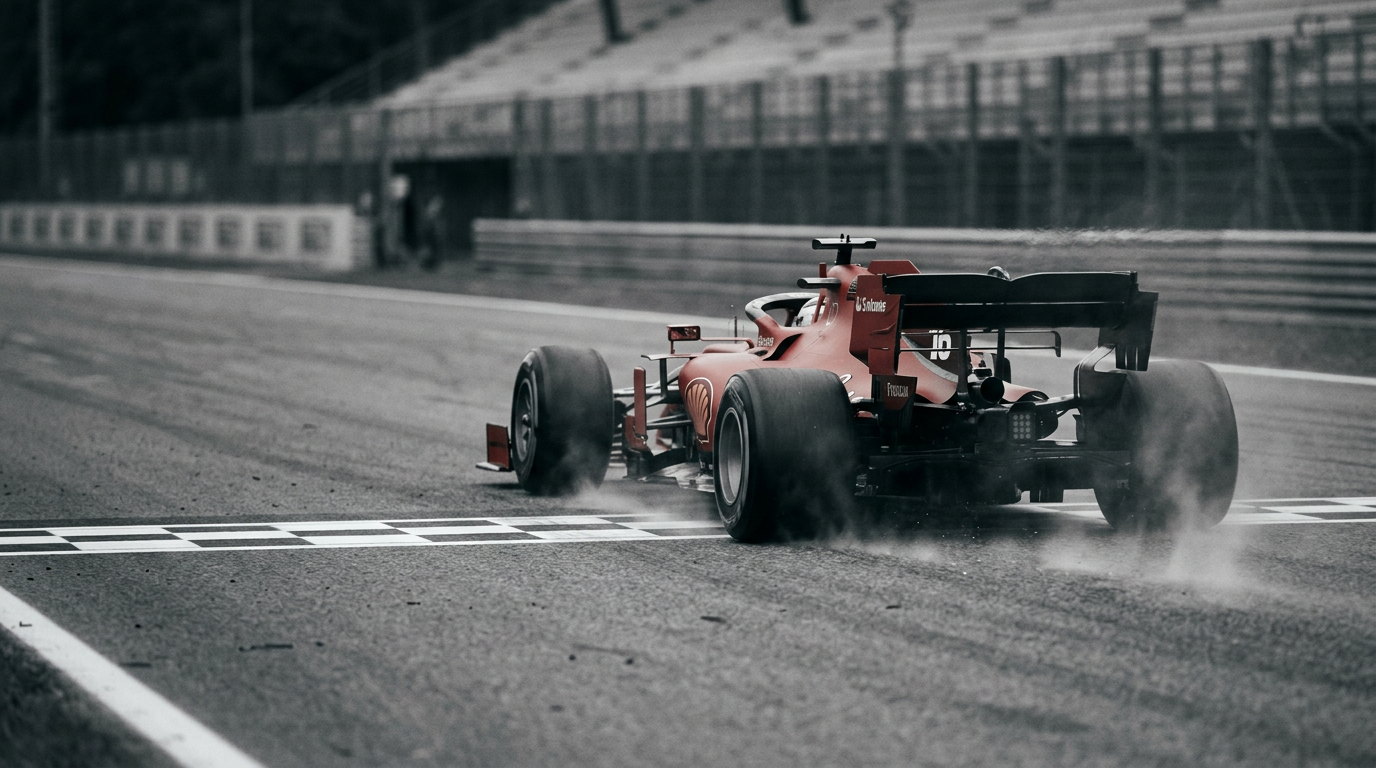
Ferrari has already taken two Grand Prix victories in the 2026 Formula 1 season, adding regular podiums after failing to win any race in 2025. Officials have linked the improvement to a strategic resource shift made during last year’s winless campaign, when work was redirected early toward the 2026 car.
The two wins have been shared between its drivers. Lewis Hamilton delivered Ferrari’s first victory of the season in Barcelona, and Charles Leclerc followed with the team’s second win at Silverstone two races later.
Early focus on the 2026 car drives the rebound Ferrari’s management has pointed to last year’s decision Ferrari’s management has pointed to last year’s decision to prioritise the 2026 project as a key reason the team is now capable of winning races. In 2026, that approach has produced a package that can fight at the front often enough to convert opportunities into victories and a steady flow of podium finishes. At the same time, officials have not described Ferrari as having a comfortable advantage over its main rivals. Instead, they have portrayed the competitive gaps as narrow, which puts added weight on the timing of updates and the team’s operational execution across the remaining rounds. Tyre degradation and heat sensitivity remain unresolved Despite the stronger headline results, Ferrari has continued to flag limitations that show up most clearly over longer stints. The team has cited tyre degradation and overall pace as continuing concerns, with the problems becoming more pronounced when track temperatures rise.
Those weaknesses were evident at the Austrian Grand
Prix, where Ferrari’s vulnerabilities were exposed. After that weekend, team management said it needed to become more agile in developing and improving the car, indicating that its upgrade process must react faster when clear limitations emerge.
Hamilton and Leclerc separated by fine margins
The internal fight between Leclerc and Hamilton has remained tightly balanced through 2026. In qualifying, Leclerc has held a slight advantage, while Hamilton has had a fractional edge in races.
Hamilton has finished ahead of Leclerc in six races, compared with five head-to-head race finishes in Leclerc’s favour. Each driver has taken one pole position, while Hamilton has five podium finishes and Leclerc has four, reinforcing that Ferrari’s points and results have been spread across both cars rather than centred on a single driver.
Upgrade cadence and reliability central to the campaign
Ferrari has said it intends to maintain a steady programme of upgrades to address the car’s weaknesses and remain in contention at the front. A stated priority is improving effectiveness across a broader range of conditions, including high-temperature events where it has struggled.
With the 2026 championship still underway, officials have tied Ferrari’s longer-term prospects to delivering consistent development steps and maintaining operational reliability. How quickly the team can reduce tyre-related limitations and stabilise pace across varied conditions remains uncertain, even as the win tally and podium run mark a clear step forward from 2025.