2026 World Cup could face record heat risks across North America
The 2026 World Cup faces record heat, with 26 matches potentially exceeding critical temperature thresholds, prompting FIFA to implement mitigation strategies.
Mehmet Şahinoğlu ·
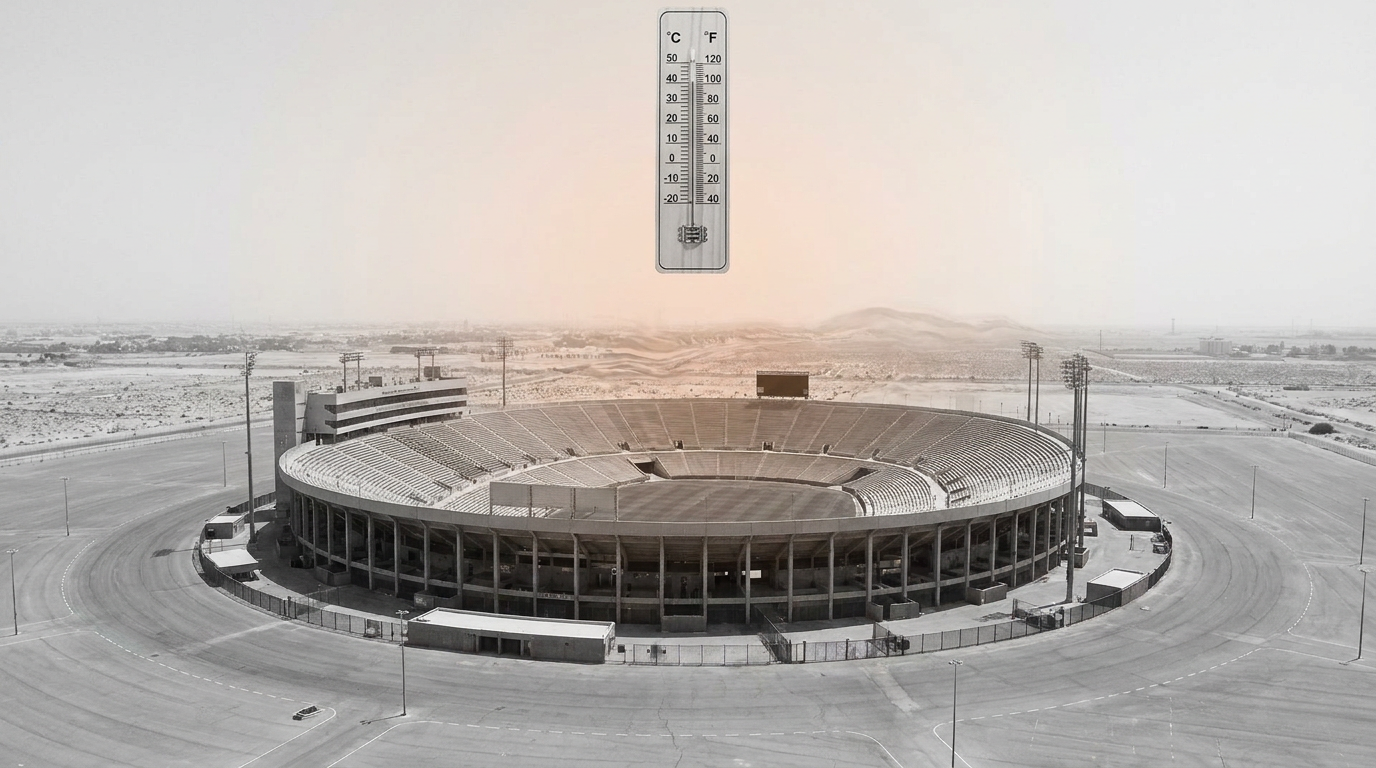
The 2026 FIFA World Cup, set for June and July across the United States, Canada and Mexico, is projected to face the highest heat risk in tournament history, climate analysts say. Modelling suggests 26 of the 104 matches could be played at or above a Wet Bulb Globe Temperature (WBGT) of 26C, with up to five potentially reaching 28C or higher.
Southern U.S. and Mexican host cities such as Dallas, Houston and Miami carry the greatest exposure, with average daytime temperatures around 28C.
Organisers have begun mapping mitigation steps for players, staff and fans ahead of the tournament.
WBGT is a composite index that reflects temperature, humidity, wind and solar radiation to gauge how effectively the body can cool itself. Higher readings signal greater heat strain and a higher risk of dehydration, cramps and fatigue for athletes operating at high intensity without adequate cooling and hydration.
For footballers, extended spells of running in direct sunlight can accelerate fluid loss and impair decision-making late in halves if heat is not managed carefully. Even when stadium cooling reduces on‑pitch temperatures, exposure accumulates across warm‑ups, halftime, mixed zones and travel to and from venues.
Heat exposure across host venues
Analysts from World Weather Attribution (WWA), a network of climate scientists, say roughly half a dozen venues are prone to extreme heat during the competition window. Of the 26 higher‑risk matches identified, 17 are scheduled for stadiums equipped with cooling systems, helping to blunt peak conditions on the field of play.
However, more than a third of games with a 10% chance of surpassing a 26C WBGT threshold are slated for venues without full‑stadium air conditioning, underscoring uneven exposure across the match schedule. Even at cooled sites, transit routes, concourses and training facilities may still pose thermal challenges, requiring planning beyond the pitch.
Southern hotspots and microclimates
Daytime temperatures near 28C in Dallas, Houston and Miami elevate the baseline risk, though stadium cooling in some locations should limit spikes during matches. Venue‑to‑venue variability across the three host nations means some sites could benefit from milder microclimates, complicating logistics and player rotation across group and knockout phases.
Scheduling to reduce exposure
Tournament planners have shifted some kickoffs away from peak afternoon hours to reduce exposure during the most intense heat. Later starts and shaded periods can lower WBGT readings, though humidity after sunset can still slow sweat evaporation, so officials are likely to keep adjusting slotting and operations as forecasts sharpen.
Player welfare and mitigation steps
Acclimatisation and cooling strategies
Teams are expected to prioritise acclimatisation sessions, pre‑cooling strategies and stricter hydration protocols in the build‑up to fixtures flagged as higher risk by weather models. Medical teams will monitor heat‑stress markers and adjust training loads accordingly, particularly where travel and short turnarounds compress recovery time.
Matchday safeguards and recovery
FIFA and local organisers have introduced safeguards for hot conditions, including three‑minute hydration breaks in each half, cooling infrastructure for players and fans, adjusted work–rest cycles for staff, and enhanced on‑site medical readiness. Excessive sweating without adequate fluid and electrolyte replacement can lead to cramps and declining work rate, making recovery protocols between games — cooling strategies, nutrition and sleep environments — more important during a congested schedule.
With forecasts indicating pockets of extreme heat, organisers and teams are expected to keep refining contingency plans and kickoff timings as the tournament approaches. Continuous monitoring of WBGT conditions and aligning matchday operations accordingly will remain central to safeguarding players, officials and supporters.