Vape Incident Prompts Emergency Response on Virgin Flight
A Virgin Australia flight from Brisbane to Melbourne made an expedited landing after a vape device emitted smoke, highlighting lithium-ion battery risks.
Ayla Demirhan ·
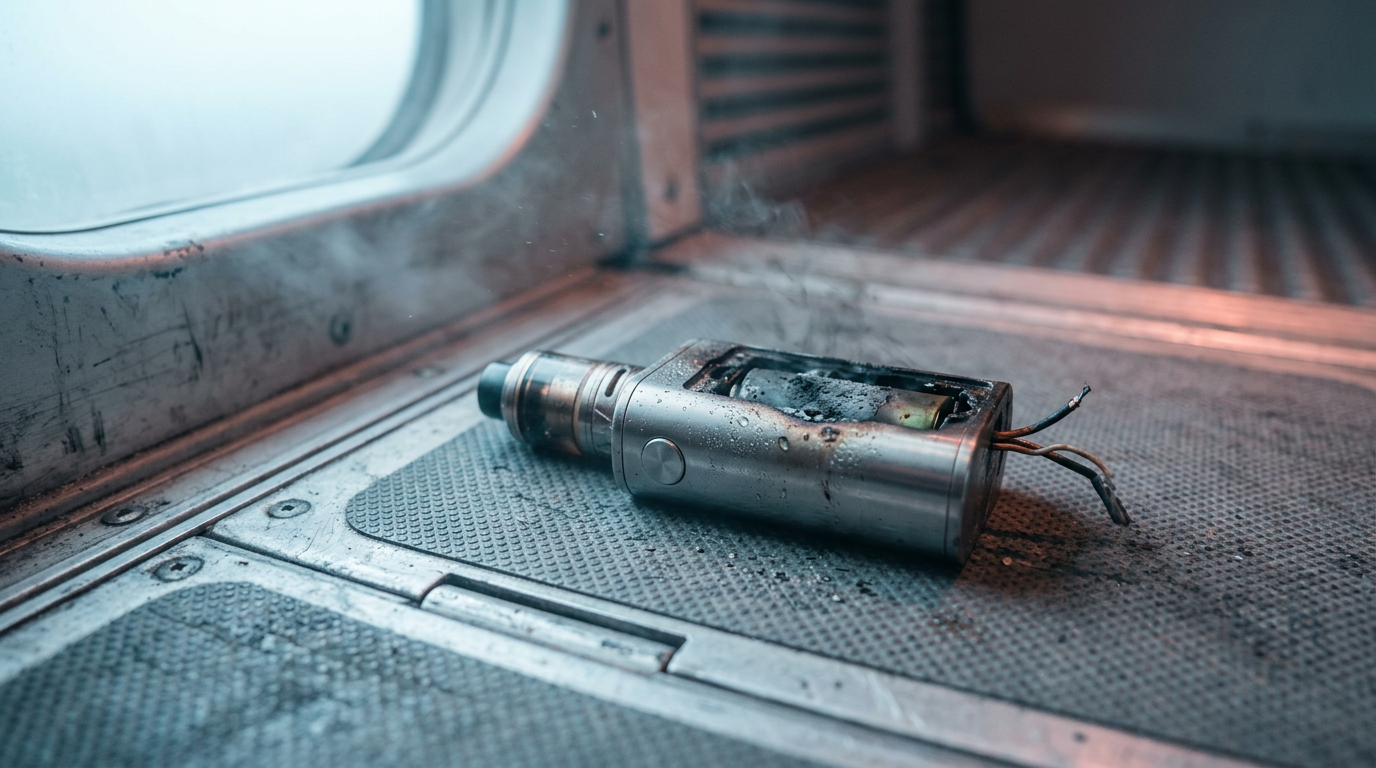
A Virgin Australia flight from Brisbane to Melbourne on Sunday, June 9, experienced an in-flight incident when a passenger's vape device began emitting smoke during the aircraft's descent. The pilot of flight VA328 initiated a 'pan' call, signaling a need for an expedited landing, after cabin crew were alerted to the smoking device. Emergency services, including Aviation Rescue Fire Fighting (ARFF) personnel, were placed on standby at Melbourne Airport as a precautionary measure.
The Boeing 737 aircraft landed without further incident, and firefighters subsequently boarded to remove the activated vape. This event underscores persistent safety concerns associated with lithium-ion batteries in aviation environments, particularly those found in personal electronic devices like vapes.
Lithium-Ion Battery Risks in Aviation
Lithium-ion batteries, which power a wide array of consumer electronics including vapes, laptops, and power banks, pose a known fire risk due to their potential for thermal runaway. This phenomenon involves a rapid, uncontrollable increase in temperature that can lead to fire and the release of toxic gases. Such fires are particularly challenging to extinguish in an enclosed aircraft cabin.
Regulatory bodies and aviation safety experts have long highlighted the dangers. While airlines generally permit these devices in carry-on luggage, allowing cabin crew to address potential issues quickly, their use and charging are strictly prohibited onboard. The rationale behind this policy is to prevent uncontrolled thermal events that could compromise flight safety.
Regulatory and Manufacturing Disparities
Industry experts note that the manufacturing standards and safety regulations for batteries in vaping products often differ significantly from those applied to batteries in more regulated devices like mobile phones or laptops. This disparity can result in lower quality control and an increased risk of malfunction in some vape devices.
Previous incidents involving lithium-ion batteries on aircraft have prompted airlines and aviation authorities worldwide to implement stringent guidelines. These measures aim to mitigate the risks associated with the high energy density and volatile nature of these power sources. The incident on the Virgin Australia flight serves as a reminder of the ongoing need for passenger awareness and adherence to airline safety protocols regarding personal electronic devices.
Global Aviation Safety Protocols
International aviation organizations, such as the International Civil Aviation Organization (ICAO) and the International Air Transport Association (IATA), regularly issue guidance on the safe transport of dangerous goods, including lithium-ion batteries. These guidelines are adopted by national aviation authorities, like Australia's Civil Aviation Safety Authority (CASA), to ensure consistent safety standards across the industry.
The incident reinforces the importance of these protocols and the vigilance of both passengers and crew in identifying and responding to potential hazards. Airlines continue to educate passengers on the proper handling and storage of devices containing lithium-ion batteries to prevent future occurrences and maintain a high level of safety for air travel.
Implications
Country Impact: Australia's aviation safety authorities may review existing protocols for personal electronic devices, potentially leading to enhanced passenger awareness campaigns or stricter enforcement of current regulations regarding vape usage and charging on flights.
Industry Impact: The airline industry could face renewed pressure to standardize and potentially tighten global regulations concerning the quality and transport of lithium-ion batteries in personal devices, particularly vapes, to mitigate fire risks during air travel.
Market Impact: Manufacturers of vaping devices might experience increased scrutiny regarding battery safety standards, potentially leading to calls for more robust regulatory oversight and quality control measures across the sector, impacting product design and certification processes.