Climate Extremes Intensify African Economic Strain, Global Supply Chains Affected
Africa faces escalating climate extremes causing displacement, infrastructure damage, and food insecurity, with projected economic losses of $10B-$20B from…
Atlas Newsdesk ·
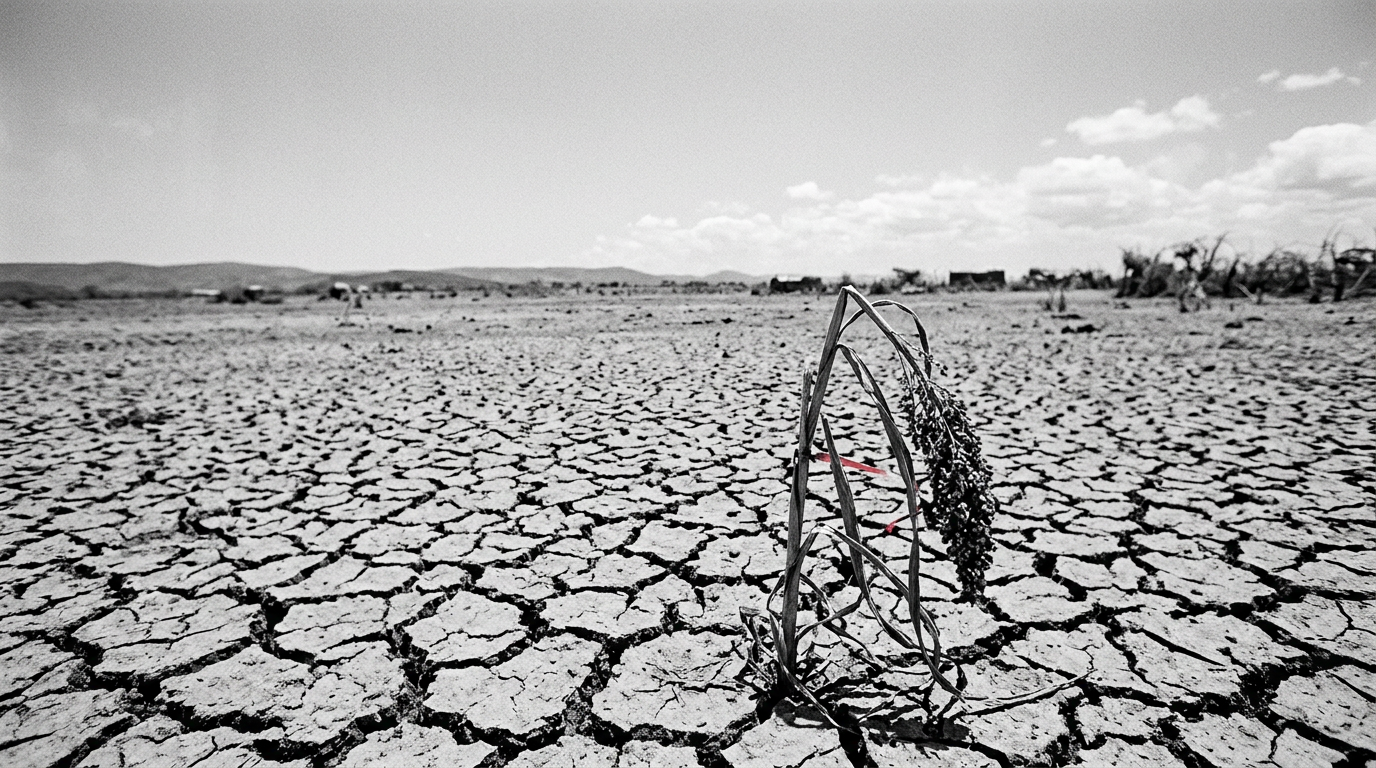
African nations are increasingly confronting severe environmental instability driven by climate change, including a surge in wildfires, droughts, and floods. These extreme weather events are causing significant population displacement and extensive damage to essential infrastructure across the continent. Such environmental pressures exacerbate existing food insecurity and place considerable strain on urban planning, particularly evident in rapidly developing countries like Nigeria, Ghana, and Ivory Coast.
Unregulated urban expansion in these areas has notably increased their susceptibility to extreme weather patterns. An upcoming "super" El Niño event is projected to inflict economic losses estimated between $10 billion and $20 billion across Africa. This climatic phenomenon poses a substantial threat, potentially leading to mass migration and acute food shortages for an estimated 18 million individuals in eastern and southern Africa. The situation is further complicated by pre-existing security challenges and instability in these regions.
Global Supply Chain Disruptions
Beyond immediate regional consequences, these climate disturbances are expected to destabilize global supply chains for critical commodities. Products such as rice, palm oil, sugar, and coffee are particularly vulnerable to disruption. Analysts indicate that price volatility for these vital items could escalate significantly, potentially increasing by 50 to 100 percent. Such fluctuations would inevitably affect consumer markets in major economies, including those in Europe and the United States, highlighting the interconnectedness of global trade.
The increasing frequency and intensity of extreme weather events underscore an urgent requirement for enhanced climate resilience and adaptation strategies across Africa. The economic toll of these events not only strains national budgets but also diverts crucial resources from long-term development goals. This often traps vulnerable communities in persistent cycles of recovery and reconstruction, hindering sustainable progress.
Shifting Economic Partnerships
Concurrently, African nations are actively re-evaluating and challenging established economic partnerships as they seek greater control over their natural resources. A significant example of this trend is Gabon's recent decision to terminate a long-standing fishing agreement with the European Union. Officials in Gabon cited insufficient economic returns as the primary justification for ending the pact. This action signals a broader continental movement towards prioritizing domestic resource management over existing international agreements, reflecting a growing desire among African states to ensure their natural assets contribute more directly and substantially to their national economies.
The re-evaluation of international agreements highlights increasing assertiveness by African governments to independently define their economic futures. This convergence of severe climate impacts and strategic shifts in resource governance indicates a period of significant change for both regional stability and global economic interactions involving the African continent. Long-term climate projections from organizations like the United Nations consistently identify Africa as one of the most vulnerable continents to climate change, despite its minimal contribution to global emissions.
Long-Term Climate Projections
Forecasts indicate that rising temperatures will exacerbate desertification, alter rainfall patterns, and increase the severity of droughts and floods, making agricultural planning increasingly difficult. This long-term outlook reinforces the urgency for global cooperation and substantial investment in adaptation and mitigation measures to protect lives and livelihoods across Africa. The cumulative effect of these challenges demands integrated responses that address both immediate humanitarian needs and long-term developmental strategies.