Hormuz traffic falls as Iran-US hostilities worsen
US strikes near Iran’s oil export hub raise energy-supply risk as traffic through the Strait of Hormuz declines.
Mateo Fernandez ·
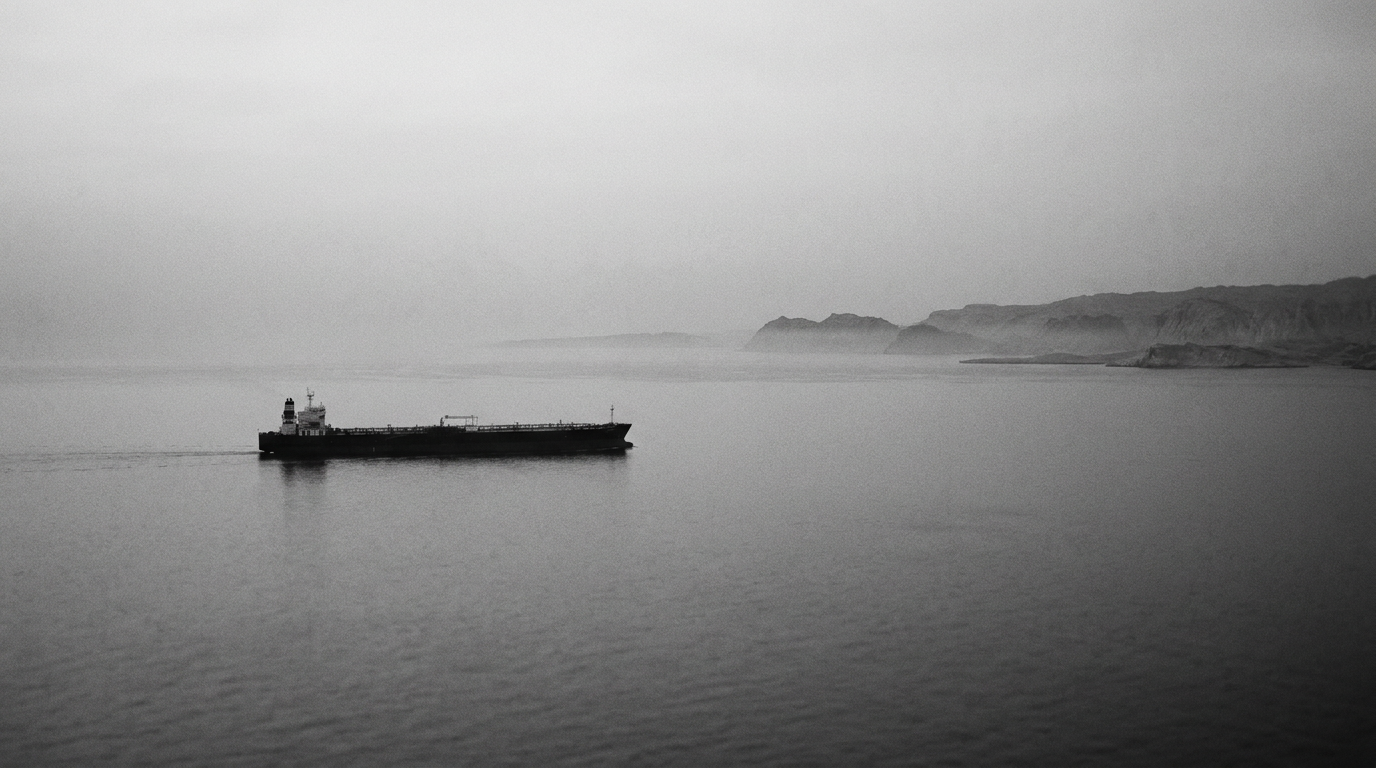
US strikes against Iran intensified overnight on July 16, 2026, with officials saying an oil tanker was hit near the country’s primary export terminal. Shipping traffic through the Strait of Hormuz fell, raising immediate energy-market concern because the channel is a critical route for crude shipments.
Reaction pending. The absence of a confirmed price move does not remove the market risk: any sustained disruption near Hormuz can quickly feed into freight costs, insurance pricing and crude supply expectations.
Hormuz flows test crude supply risk
The operational issue is no longer only the exchange of strikes. It is whether commercial shipping can continue to use the waterway at normal volumes while military activity expands near Iranian export infrastructure. A hit on a tanker near an export terminal adds a direct maritime risk to an already volatile geopolitical dispute.
For energy markets, the mechanism is straightforward. If shipowners delay voyages or insurers raise coverage costs, fewer cargoes may move on schedule. That can tighten prompt supply even before physical production is cut, especially for buyers that depend on Gulf-loading barrels.
For Iran, reduced traffic near its export system could pressure revenue flows and complicate logistics at the terminal level. For the wider shipping and oil sector, the risk is a chain reaction: higher war-risk premiums, altered routes, delayed loadings and more volatile crude benchmarks.
By July 17, 2026, the key signal will be whether Hormuz tanker passages stabilize or fall further. If traffic recovers, the market may treat the disruption as contained; if it keeps sliding, crude traders will price a larger supply-risk premium.