Hormuz shipping protected through new US tactics
US military discreetly boosts Strait of Hormuz shipping security, shifting from direct Iran challenges.
Lauren Collins ·
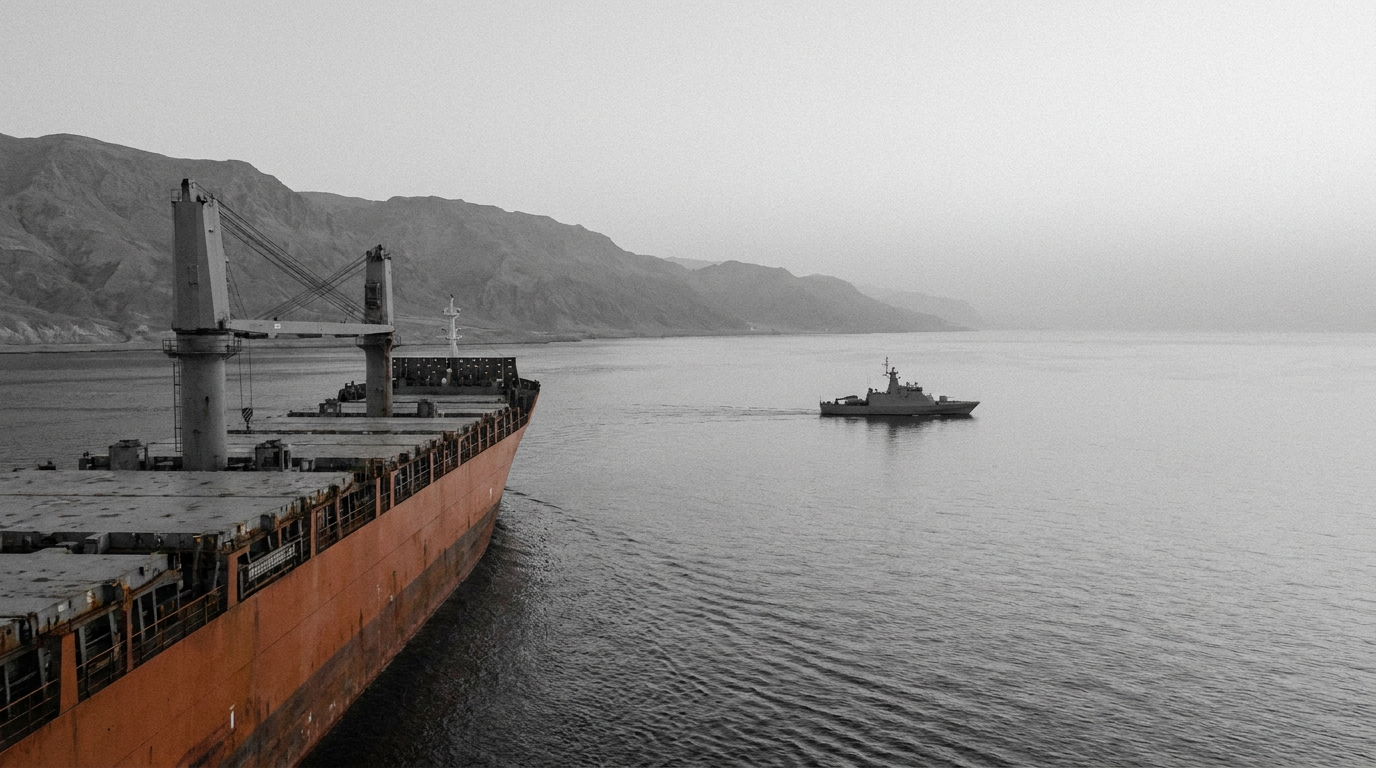
The United States military has adopted a new, less overt strategy to safeguard commercial vessels navigating the Strait of Hormuz. This approach follows an earlier, publicly announced escort plan that was ultimately rescinded.
Instead of direct confrontation with Iran, American forces are now coordinating privately with shipping companies. This method seeks to ensure safe passage through the vital waterway.
Discreet Security Measures Adopted
Commercial ships are reportedly using various methods, including deactivating transponders and hugging the Omani coastline, to mitigate potential threats. This tactic aims to avoid Iranian naval activities and potential minefields within the strait.
US military assistance is available in a support role, should it become necessary. This quiet coordination contrasts sharply with previous public security initiatives.
Evidence for these new operational procedures stems from US Central Command announcements and observed shipping data. Multiple sources with knowledge of the transit operations confirm the implementation of these discreet measures.
Recent Incidents Highlight Regional Tensions
Recent events underscore persistent tensions in the region, even with the shift in US strategy. Central Command reported that its forces engaged Iranian attack drones targeting civilian mariners in international waters on Tuesday night.
In response to these drone activities, US forces reportedly carried out self-defense strikes against an Iranian military ground control station. These incidents demonstrate the ongoing need for protective measures in the strait.
Strategic Shift from Previous Initiatives
This revised military strategy marks a significant departure from an initiative earlier this year, known as Project Freedom. That plan, introduced with a social media announcement and a formal White House briefing, aimed to openly challenge Iranian influence in the strait.
However, the highly visible nature of Project Freedom reportedly provoked Iranian reactions and risked destabilizing a fragile regional ceasefire. The initiative was eventually discontinued after regional allies advised against its continuation, leading to the current, more subdued approach.
The new strategy prioritizes de-escalation while still ensuring the security of international maritime trade. It reflects a nuanced understanding of the complex geopolitical dynamics in the Persian Gulf region and its critical shipping lanes.