

Hormuz oil flows collapse 86% after mine strikes
Two more supertankers struck mines in mandatory lanes, taking the week’s tanker toll to four and tightening crude supply risk.
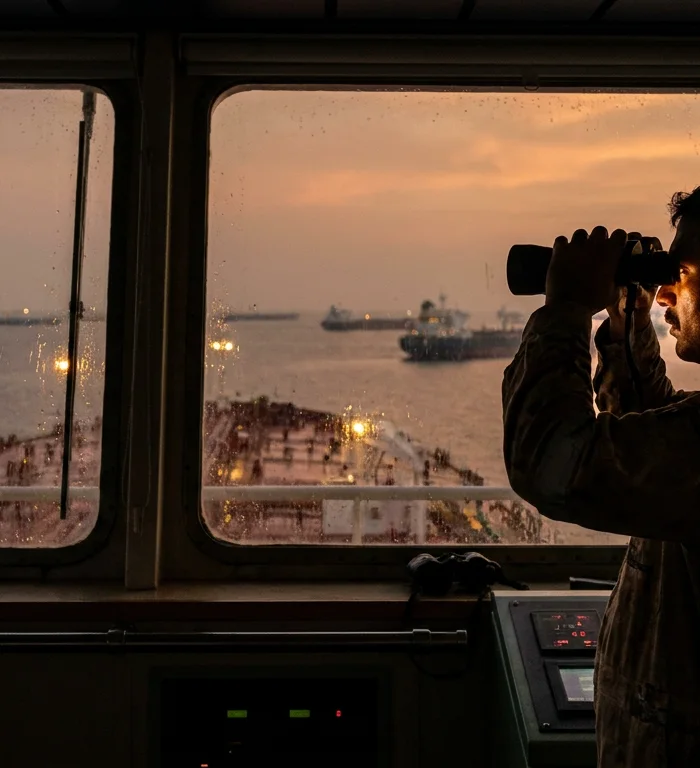
Hormuz oil throughput fell 86% in 72 hours after two supertankers struck mines in mandatory shipping lanes Sunday, officials said. WTI reached $101.41 a barrel.
US gasoline reached $4.23 a gallon following the disruption, data showed. The latest strikes brought the week's tanker toll to four, deepening a chokepoint disruption in the main sea route for Gulf crude exports.
Hormuz lanes and bypass limits
Officials said the mines were in the Traffic Separation Scheme, the mandatory corridors used to organize tanker movement through the Strait of Hormuz. Damage in those lanes matters because shipowners and insurers have fewer routing options when the designated corridors are unsafe.
Bypass pipelines cover under a third of pre-war flow, officials said. That leaves most affected crude volumes dependent on tanker access through Hormuz or on storage draws if sailings slow further.
For global energy markets, the mechanism is direct: fewer safe tanker transits reduce available seaborne supply, while higher freight, insurance and delay costs can add to delivered crude prices. Refiners exposed to Gulf grades face the nearest operational risk if cargo scheduling gaps widen.
The next dated call is Monday, Oct. 19: whether traffic managers reopen parts of the mandatory lanes, keep restrictions in place, or report further mine-clearance delays.
More stories
- Malaga leads Andalucía euthanasia cases with 13 in 2025
- Ireland faces longevity gap as one-third of newborns may reach 100
- Borrowers face debt squeeze as reform timetable stretches
- Feijóo targets Catalonia’s 48 seats with Albiol housing pledge
- Louvre pledges €20m a year for security after jewel theft
- CoreWeave gains ARK backing as borrowing concerns persist
- Bangladesh MICS7 shows high lead in 38.5% of children
- Banks join AI earnings test as bond yields complicate bets
Latest news
- Mnangagwa warns ZANU PF dissenters over 2030 rule bid
- Greece plans 15% homebuyer tax for non-EU investors
- Pope Leo XIV faces lung cancer diagnosis after lobe removal
- Rama faces sixth day of Albania protests with 272 injured
- Japan's older workers make up 31.3% of serious workplace accidents
- Guinea fowl avoid 23% energy cost after early leg loading
- Mukherjee links cancer progress to prevention and early detection
- Longyearbyen keeps tap-water ban for 2,600 residents