Home sales fall 1.7% as mortgage rates climb again in July
Home sales fell 1.7% in July as the median price rose to $434,100, reinforcing a low-volume market shaped by higher mortgage rates.
Lauren Collins ·
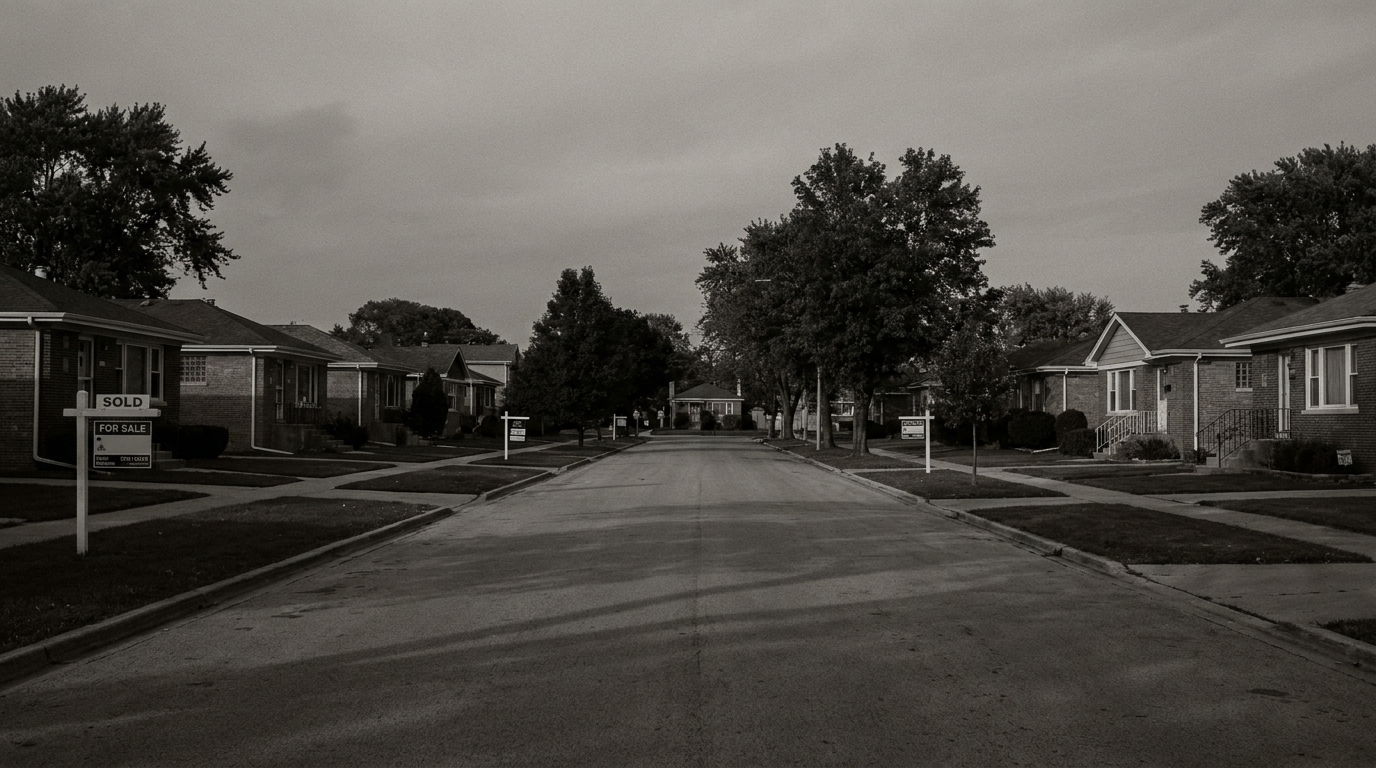
Home sales fell 1.7% in July as mortgage rates rose and prices neared records, keeping the US housing market locked in a low-volume cycle.
Existing-home purchases ran at a seasonally adjusted annual rate of 4.06 million, the National Association of Realtors said Tuesday, down from June and following a 1.4% monthly drop. Sales were still 0.7% above July 2025, a narrow annual gain that points to demand rather than strength.
July sales lose momentum
The median existing-home price rose 2% from a year earlier to $434,100, according to the association. That was the second-highest reading in the series, below only June's $442,800 peak.
The rate backdrop moved against buyers during the month. Freddie Mac said the average 30-year fixed mortgage was 6.69% last week, up 26 basis points from 6.43% at the start of July and the fifth straight weekly increase.
Mortgage rates had briefly moved below 6% in February before rising again after the Iran war began and Middle East tensions spread through bond and energy markets. Economists cited geopolitical risk and AI-related investment spending as inflation pressures that may keep borrowing costs from falling quickly.
Price lock keeps supply tight
Inventory also moved lower, limiting how much relief buyers could get from a slower sales pace. Unsold homes totaled 1.54 million in July, down 1.9% from June, the Realtors group said.
The supply constraint has a political economy of its own: owners with mortgages secured at lower rates can avoid moving, while first-time buyers face both higher prices and higher monthly payments. Sellers with equity and low financing gain from scarcity; renters trying to enter the market lose negotiating power.
Lawrence Yun, chief economist at the National Association of Realtors, framed the market as weak but not collapsing. "Home sales have been remarkably stable, even amid the rising mortgage rate environment of the past few months," Yun said.
That stability reflects buyers who have waited through several years of poor affordability and are beginning to act despite the rate penalty. It also leaves real-estate agents, mortgage lenders and title companies exposed to a volume problem even when home prices remain near records.
Buyers weigh jobs and rates
Brad Case, chief residential economist at Homes.com, said some households have concluded that waiting for a large rate decline may no longer be a workable plan. "There is no reason to think that mortgage rates are gonna come back down again. So they're just saying I have to get on with my life and that's what they're doing," he said.
Sam Harris, an IT worker who bought a home in Georgia in April with his wife, described the affordability shock when he saw the mortgage estimates. "My mouth just dropped open," he said, adding: "I thought this would be way more affordable."
Harris also pointed to a second pressure on buyers: job security in white-collar work as companies talk about layoffs and AI-driven cost cuts. That makes the purchase decision less about a single mortgage rate and more about whether a household can tolerate both higher debt service and a less certain labor market.
Rates set the next split
If mortgage rates hold near last week's 6.69% level, the affordability channel remains the binding constraint: fewer households qualify, transaction volumes stay low, and housing contributes less support to consumer spending tied to furniture, renovation and moving. For the Realtors group and the brokerage sector, that path means price resilience may not translate into commissions growth.
If rates instead move lower, the mechanism is different: sidelined demand could return before inventory has rebuilt, putting fresh pressure on prices even as sales volumes improve. That would help agents, lenders and homebuilders, but it would also leave policymakers and global investors watching whether housing adds to inflation persistence rather than easing it.
The open question is whether July's 0.7% annual sales gain marks a floor or only a pause inside a rate-constrained market. The answer will turn on mortgage rates, inventory and whether households such as Harris's keep choosing ownership even when the monthly payment no longer matches the price they expected.