Heritage Foundation Analysis: Philippines’ Move Toward China and What It Means for DC
A new Heritage Foundation analysis examines warming Philippines–China ties, exploring how this shift impacts regional security and U.S. policy interests.
Sophie McAlister ·
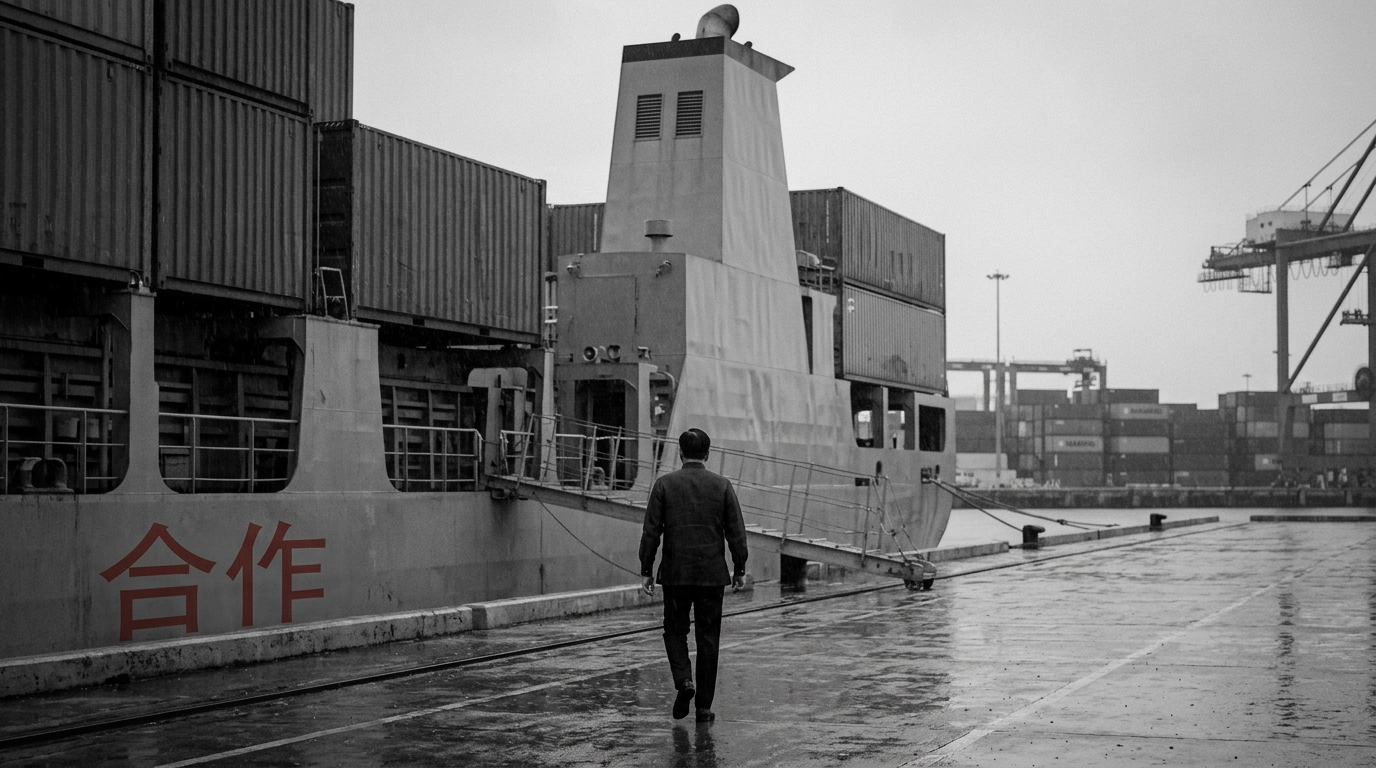
The Heritage Foundation published an analysis asking whether the Philippines is mending ties with China and exploring what that trend would mean for U.S. policy in Washington. The piece, released by the Washington, D.C.-based think tank, frames Manila–Beijing relations as a strategic question for policymakers who track Indo-Pacific security and alliance stability.
The analysis outlines diplomatic and economic interactions between the Philippines and China as the central subject. It places those interactions in the wider context of longstanding security arrangements between the United States and the Philippines and ongoing maritime disputes in the South China Sea. The Heritage Foundation’s paper poses questions about whether closer Manila–Beijing engagement reflects tactical cooperation, transactional economics, or a broader strategic realignment.
How Heritage frames the issue
The report treats the Philippines’ relationship with China as a topic with consequences for U.S. strategy in the Indo-Pacific. It underscores that shifts in Manila’s posture toward Beijing could reshape the operating environment for alliance coordination, defense cooperation, and diplomatic signaling. The Heritage Foundation is explicit that its analysis is intended for a policy audience in Washington, including congressional staff, executive-branch officials, and think-tank peers.
The paper also highlights economic and diplomatic levers as drivers of bilateral engagement, and it considers how those levers interact with security arrangements. Rather than presenting a single verdict, the analysis lays out scenarios and trade-offs that U.S. decision-makers should weigh when assessing the future of U.S.-Philippine ties and regional deterrence.
Where it connects to Washington
Because the Heritage Foundation is based in Washington, D.C., its work feeds directly into the policy conversation among Capitol Hill staff, administration officials, and other local think tanks and advocacy groups. The report functions as both interpretation and signal — offering a set of priorities and concerns for U.S. audiences monitoring Manila’s diplomatic choices. Its framing may influence committee briefings, hearings, and interagency discussions on Indo-Pacific strategy.
The analysis also serves as a reminder that bilateral relationships in the region are being viewed through multiple lenses in DC: defense commitments, economic ties, and human-rights and governance considerations. The Heritage Foundation situates Manila’s approach to Beijing within that multi-dimensional framework without prescribing a single policy prescription.
Policymakers in Washington will watch how Manila’s diplomatic and economic engagements with Beijing affect interoperability, access arrangements, and the broader posture of U.S. forces and partners in the region. The Heritage piece functions as an input to those debates, summarizing possible pathways and the risks each entails.
Looking ahead, observers in Washington should watch for follow-up commentary from other local think tanks, official statements from U.S. and Philippine policymakers, and any shifts in defense or diplomatic activity that would indicate a durable change in Manila’s balance between Beijing and Washington.