Hawaii Storm Triggers Flash Floods, Power Outages
A powerful storm has caused widespread flash flooding, high winds, and power outages across Hawaii since Friday, impacting residents and tourism.
Ayla Demirhan ·
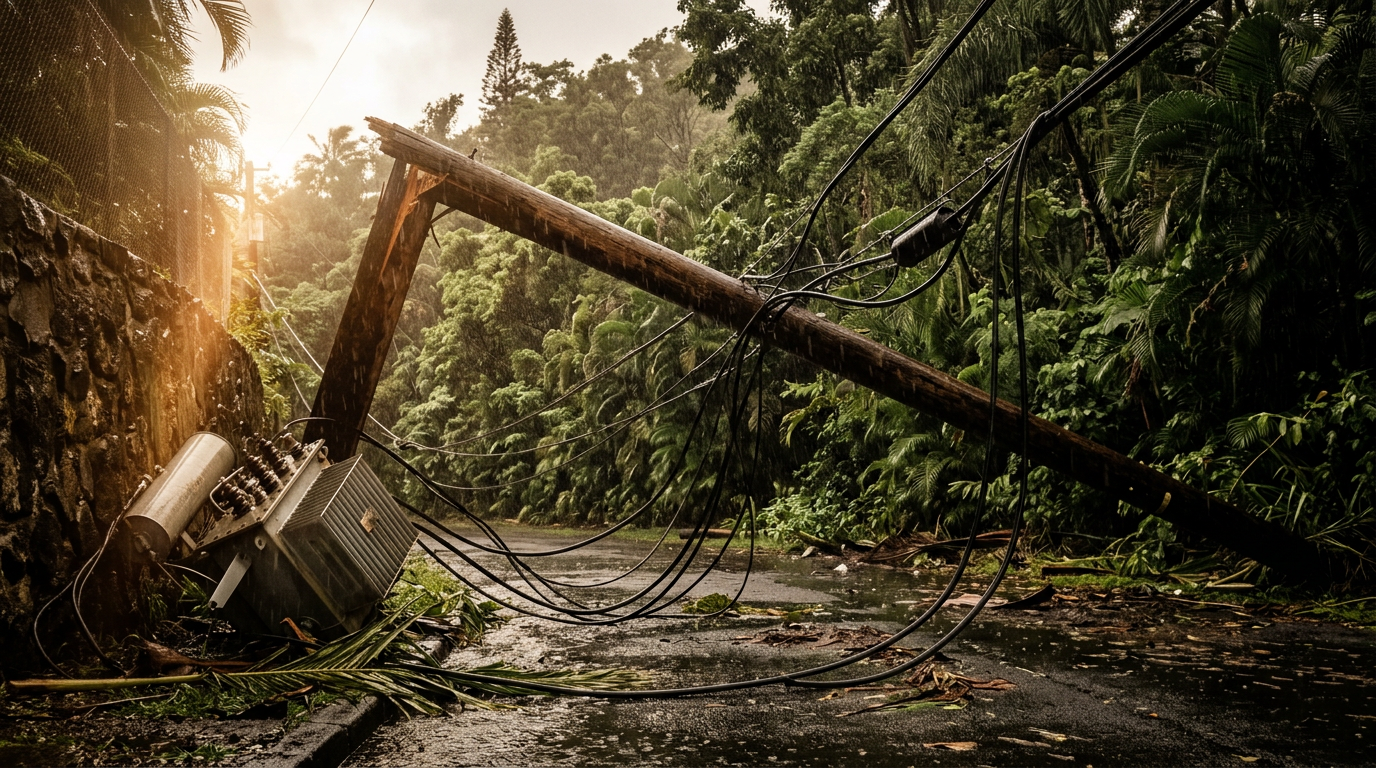
A significant storm system has brought extensive flash flooding, high winds, and widespread power disruptions to the Hawaiian Islands since Friday, March 14, 2026. The severe weather has impacted major islands including Oahu, Maui, and the Big Island, leading to numerous evacuations and infrastructure damage. Authorities issued flash flood warnings and high wind alerts across much of the state, with conditions anticipated to gradually improve by early next week.
Widespread Disruptions Across Islands
The storm's effects have been felt across the archipelago. On Oahu, Maui, and the Big Island, approximately 111,000 residents experienced power outages as of Friday afternoon. Hawaii Electric reported that ongoing severe weather conditions were hindering repair efforts, prolonging restoration times for affected households and businesses. Road closures and landslides have also been reported, particularly in areas prone to heavy rainfall.
Educational and Travel Impacts
Public schools on Oahu, Kauai, and Maui were closed on Friday due to the hazardous conditions, affecting thousands of students and families. The tourism sector, a critical component of Hawaii's economy, has also faced considerable disruption during the peak spring break period. Many businesses have canceled activities and tours, impacting visitor experiences and local revenue streams.
Intense Rainfall and Forecasts
Kahului Airport on Maui recorded an exceptional 13.6 inches of rain over a 72-hour period ending Saturday evening. This rainfall total surpassed the airport's entire precipitation for the previous year, 2025, highlighting the intensity of the current weather event. An additional 6 inches of rain were forecast for the region through Monday afternoon, exacerbating flood risks.
National Weather Service Outlook
The National Weather Service has indicated that severe weather will persist, including unusual snow and ice accumulations on the highest summits of the Big Island. These conditions are expected to moderate, with a general improvement in weather patterns projected to begin on Monday. Residents and visitors are advised to remain vigilant and follow local emergency instructions.
Economic and Social Implications
The prolonged storm conditions carry significant economic implications for Hawaii, particularly for its tourism-dependent economy. Disruptions during a key travel season can lead to substantial financial losses for local businesses and the state. Socially, the widespread power outages and school closures have created immediate challenges for residents, underscoring the vulnerability of island infrastructure to extreme weather events.
The need for resilient infrastructure and effective disaster preparedness remains a critical focus for the state in mitigating future impacts.
Implications
Country Impact: The storm's impact on Hawaii highlights the increasing vulnerability of U.S. island territories to extreme weather events, potentially necessitating increased federal disaster relief and infrastructure investment. Economic disruptions, particularly in tourism, could have broader implications for national travel patterns and insurance markets.
Industry Impact: The tourism and hospitality sectors in Hawaii face immediate revenue losses due to cancellations and reduced visitor activity during a peak season. The energy sector, specifically Hawaii Electric, is challenged by extensive outages and the need for rapid infrastructure repair under adverse conditions, potentially impacting future grid resilience planning.
Market Impact: Local Hawaiian markets, particularly those tied to tourism and retail, are experiencing immediate downturns. Insurance companies may face increased claims related to property damage and business interruption. The broader U.S. travel and leisure market could see minor shifts as travelers adjust plans, though the overall impact on national indices is likely limited.