World Cup 2026 tiebreak change may increase low-stakes group games
New FIFA tiebreaker rules and an expanded format have created dead-rubber matches and competitive uncertainty during the 2026 World Cup group stage.
Mehmet Şahinoğlu ·
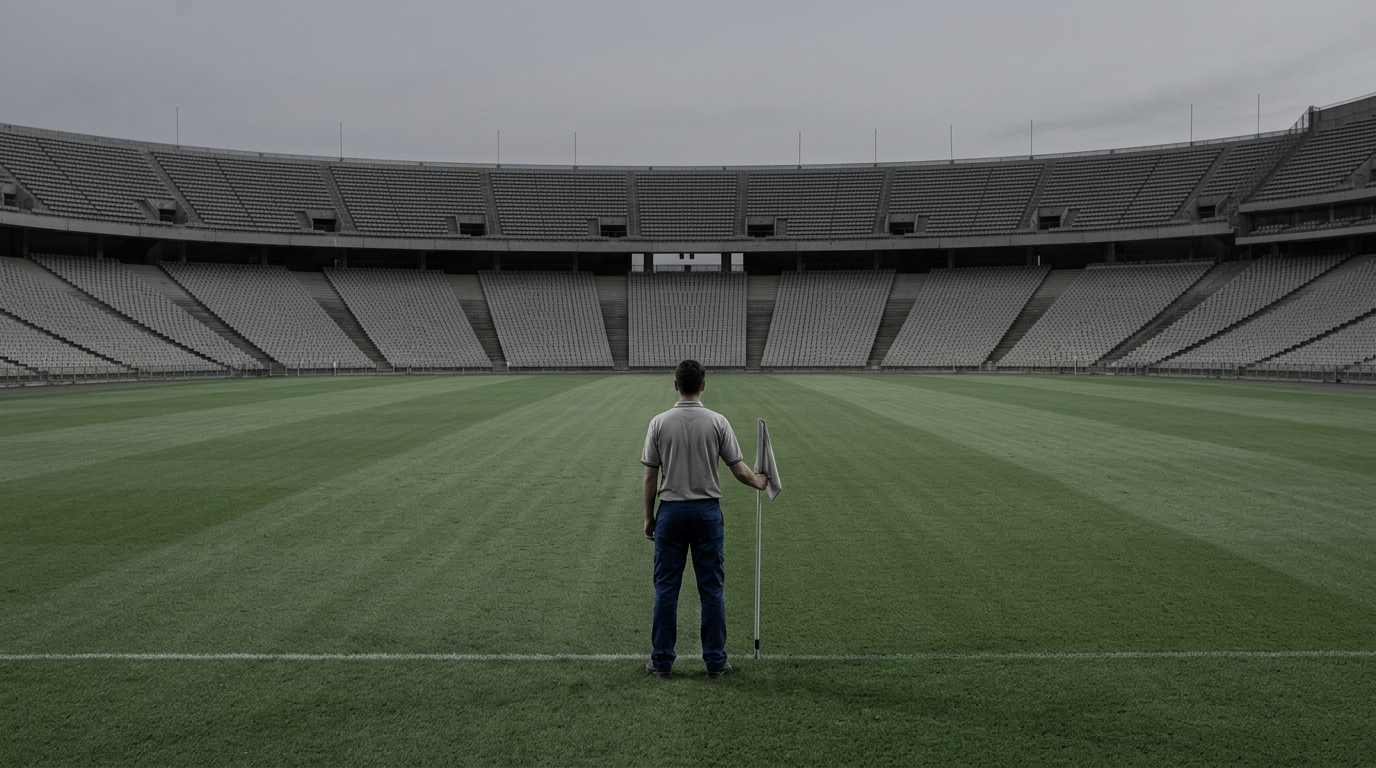
FIFA’s decision to make head-to-head results the primary group-stage tiebreaker, combined with the expanded 48-team format, is changing how quickly teams can clinch qualification or be eliminated at the 2026 World Cup.
With 32 of 48 teams advancing to the knockout phase and a third-place qualification table returning for the first time since 1994, early elimination becomes less common. But head-to-head can also settle key positions sooner, leaving some matchday-three fixtures with limited competitive stakes.
The source scenario says eight teams can know after two matches that their group fate is already decided, raising the likelihood of “dead rubbers” in the final round of group games.
One example given is Group J, where Argentina are on six points and cannot be overtaken because they have beaten the two teams on three points, Austria and Algeria. Jordan, on zero points, are already eliminated after losing to those sides.
The same scenario also describes groups in which Mexico, the United States, Germany and Argentina are locked in as group winners, while Haiti, Turkey, Tunisia and Jordan know they cannot progress. That produces fixtures such as United States v Turkey and Argentina v Jordan, with group winners facing already-eliminated opponents.
How head-to-head can decide groups earlier
In previous World Cups, goal difference as the first tiebreaker often kept more teams in contention deeper into the group stage. Even when sides were level on points, additional goals could still reshape the final standings.
Head-to-head shifts the focus to direct results between the tied teams. Once those matches have been played, some qualification and seeding outcomes can be effectively locked in after two rounds, rather than waiting for goal margins to be set on the final matchday.
The source argues this can reduce the incentive to chase bigger scorelines once a team’s position is protected by head-to-head records. It can also narrow the set of outcomes that matter in the last round of matches.
Third-place table and matchday-three incentives
The return of a third-place qualification table creates a cross-group race for the remaining knockout places. However, because the tournament features many groups, the final round of group matches is spread over five days, which can leave teams playing earlier without a clear sense of the points threshold likely needed to advance.
That scheduling asymmetry could influence how teams manage risk in their last match. A side playing late may know exactly what it needs, while a side playing early may have to balance pushing for points with protecting against defeat.
Another consequence is squad management. Teams that have already secured first place may be tempted to rotate heavily on matchday three to protect key players for the round of 32, which can affect both the immediate opponent and, indirectly, the third-place comparisons across groups.
The source notes that as more groups complete their second match, additional teams could confirm qualification or elimination before the final matchday. If that pattern continues, the tournament could see a higher number of low-stakes group games than in past editions.
Attention will also focus on whether the final-round schedule gives late-playing teams a practical advantage, and how already-qualified sides balance rotation against momentum heading into the knockouts.