US Storm Disrupts Power, Air Travel Across East
A powerful storm on March 16, 2026, caused 500,000 US power outages and 930 flight cancellations across the Midwest and East.
Ayla Demirhan ·
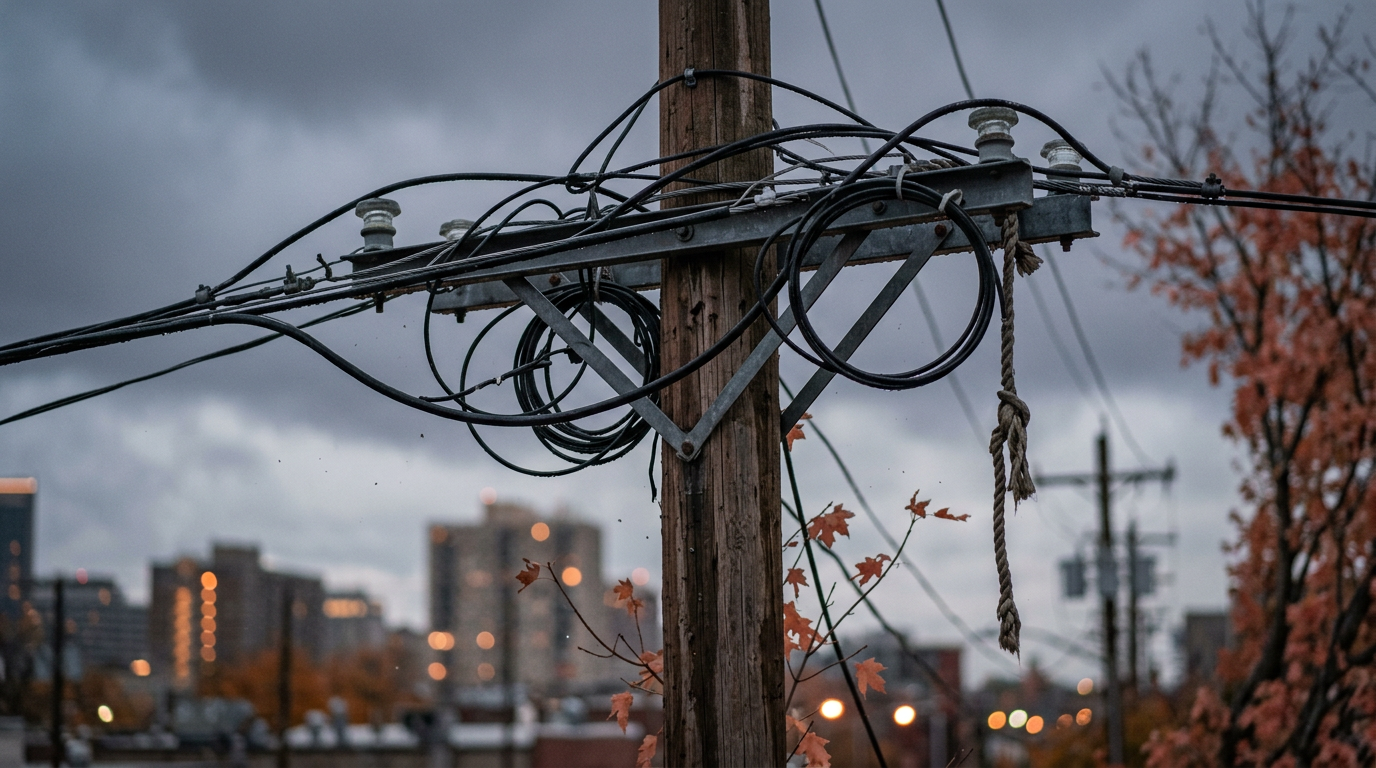
A significant storm system traversed the central and eastern United States on Tuesday, March 16, 2026, leading to extensive power disruptions for approximately 500,000 homes and businesses. The weather event, characterized by snow, high winds, and cold temperatures, impacted daily operations and transportation across numerous states.
The National Weather Service identified a robust cyclone moving through the New England region, which generated strong winds and heavy precipitation. This system contributed to widespread outages, particularly in the Midwest and Northeast. Utility companies initiated restoration efforts as conditions allowed.
Regional Impact and Outages
Beyond power interruptions, the storm system also generated severe weather phenomena. Tornado warnings were issued, and confirmed tornadoes touched down in several states, including Missouri, Illinois, North Carolina, Arkansas, and Mississippi. Fortunately, no injuries were reported in connection with these tornado events.
Transportation and Future Forecasts
Forecasters anticipate that cold conditions and lake-effect snow will persist in certain areas of the eastern U.S. concurrently, an unusually early heatwave is projected to expand across the Western U.S. Temperatures in parts of Southern California and the Desert Southwest could reach 100 degrees Fahrenheit, presenting a stark climatic contrast across the country. This dual weather pattern underscores the diverse meteorological challenges facing different regions of the United States.
Broader Context of Extreme Weather
Utilities and emergency management agencies routinely prepare for such events, but the scale of the recent outages underscores the ongoing need for resilient infrastructure and effective disaster response mechanisms. The economic implications extend beyond immediate disruptions, potentially affecting agricultural yields in the West and energy demand across both affected regions.
Implications
Country Impact: The storm system caused significant infrastructure strain across the US, particularly in the Midwest and Northeast, impacting daily life and economic activity. The simultaneous extreme weather events highlight national vulnerability to diverse climatic challenges.
Industry Impact: The energy sector faced widespread power outages, necessitating extensive restoration efforts. The aviation industry experienced substantial disruptions with numerous flight cancellations, affecting travel and logistics networks.
Market Impact: While immediate market impacts are localized, sustained disruptions to power and transportation can affect regional economic output. The contrasting weather patterns could influence commodity markets, particularly energy demand and agricultural futures.