GSK rejects MMR vaccine split after Trump order on shots
GSK says it will keep its MMR vaccine combined as President Trump's order gives HHS 90 days to plan single-dose childhood shots.
Ayla Demirhan ·
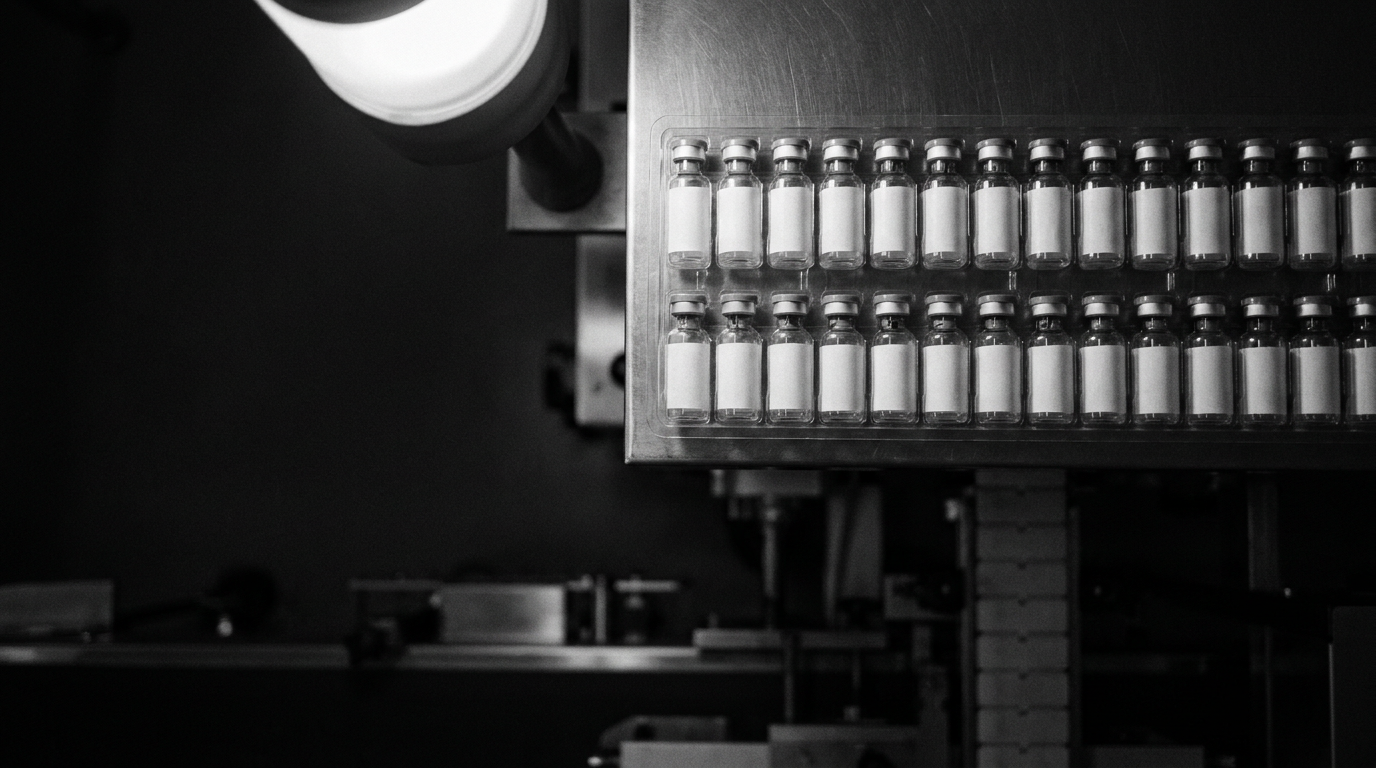
GSK said it will not split its MMR vaccine into three shots, rejecting a Trump order's 90-day push toward single-dose visits.
The company said there were no immediate changes for patients, providers or payers after President Trump signed the directive. “At this point, there are no changes to vaccine availability, access, reimbursement, or patient care,” a GSK spokesman said.
GSK keeps combined shot
GSK defended the combined measles, mumps, and rubella product, saying there is no evidence that giving the three components separately improves safety or efficacy. The company also said combination vaccines can make immunization simpler and reduce missed dosages, an argument aimed at the logistics of childhood vaccination rather than at a new product launch.
The order described in the source material does not announce an immediate market withdrawal or product change. It gives Health and Human Services Secretary Robert F. Kennedy Jr. 90 days to develop a plan that would move childhood vaccination toward one dose per visit, including for MMR.
Trump challenges one-visit dosing
President Trump suggested that the MMR vaccine could be “quite lethal” if administered at once. GSK's response directly contests that framing by pointing to the absence of evidence, in the company's account, that separate administration performs better on safety or efficacy.
The dispute centers on vaccination schedule design, not only on manufacturing. A three-shot approach would require more appointments or more injections over time, while the current combined format puts measles, mumps, and rubella protection into one product and one visit.
Merck, which also makes an MMR vaccine, has previously stood by the combined shot. It did not provide a comment on the latest order in the available source material, leaving GSK as the named manufacturer giving a direct response to the 90-day planning process.
Kennedy gets 90 days
The immediate policy question is what Kennedy's plan will contain at the end of the 90-day period. If HHS issues guidance that preserves access, reimbursement and availability for combined vaccines, GSK's commercial position would be largely unchanged on the facts now available, while the wider vaccine sector would face a communications fight rather than a manufacturing reset.
If the plan instead links federal policy, reimbursement or access rules to single-dose visits, the effect would move from messaging into operations. GSK and Merck would then face questions about product strategy, labeling, supply planning and provider demand, while clinics and pharmacies would have to manage more complex scheduling for childhood shots.
A narrower middle course would keep the combined MMR vaccine available while encouraging slower sequencing for some patients. That would limit immediate disruption for global pharmaceutical supply chains, but it would still shift pressure onto pediatric practices, insurers and public health agencies that organize childhood immunization around fewer visits.
The main uncertainty is whether the 90-day plan stays advisory or becomes tied to payment, access or procurement decisions. For GSK, that distinction will determine whether its response remains a defense of an existing product or becomes the start of a more costly regulatory and commercial decision.