Governor Newsom's One Less Spark campaign understates climate-amplified ignition risks
This is single-thread reporting: the announcement appears only on gov.ca.gov. Governor Gavin Newsom launched the 'One Less Spark' statewide wildfire…
Edward Mullen ·
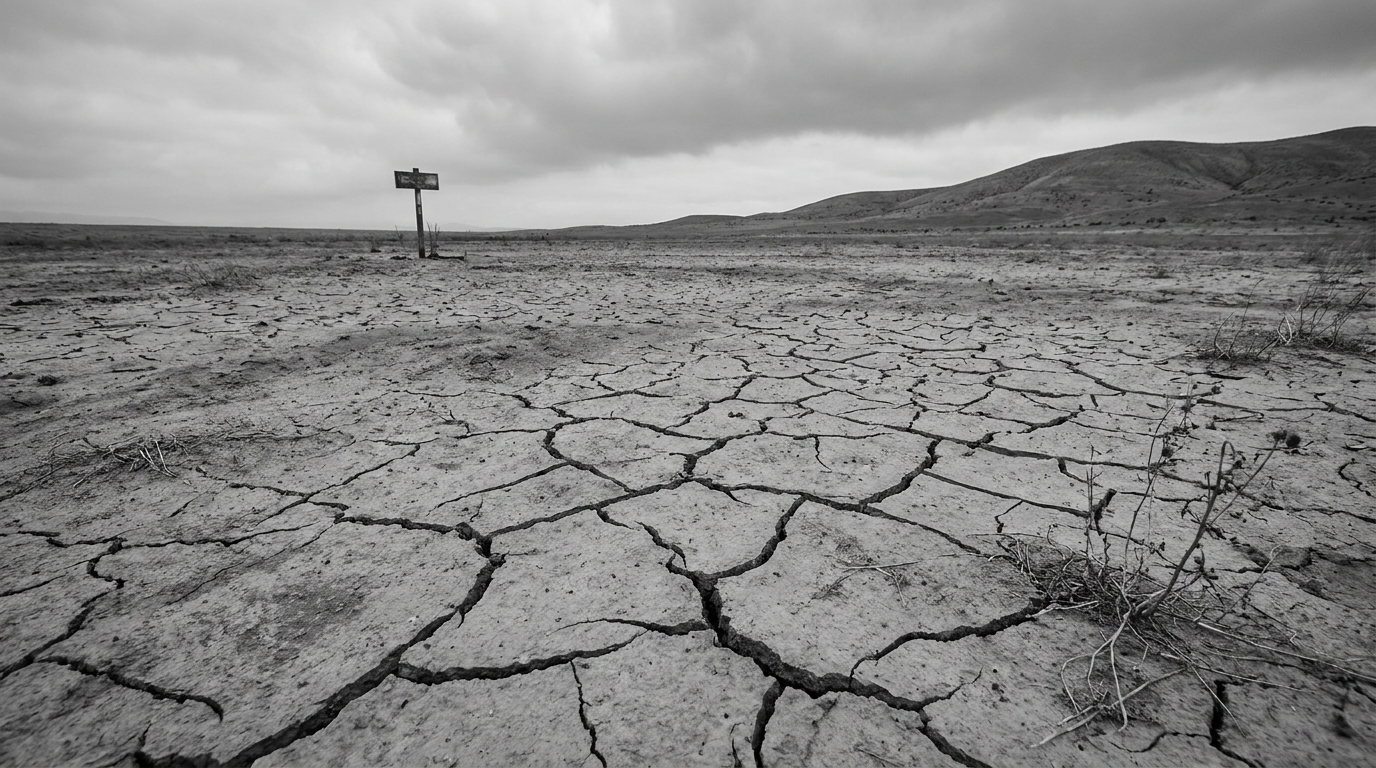
Governor Gavin Newsom recently announced a “One Less Spark” campaign, urging Californians to prevent human-caused wildfires. This public awareness push, detailed on the official Governor’s site, focuses on individual behavior and safety protocols. However, this human-centric approach overlooks how climate change dramatically amplifies the ecological pathways to ignition, ultimately underpricing systemic risk.
The campaign's focus: human behavior and safety protocols The state release says the campaign aims to "mitigate human-caused ignitions through public awareness and safety protocols" and that it "complements significant state investments in wildfire readiness." Those are the concrete elements presented: outreach, safety guidance, and alignment with existing spending priorities on readiness rather than new, large-scale fuel treatments or infrastructure changes. The announcement does not quantify targets, attribution baselines, or specific operational commitments beyond public messaging.
What the announcement leaves out: climate as an amplifier of ignition risk The release makes no sustained case for how changing climatic conditions alter the balance of ignition sources or the speed at which fires spread. It omits discussion of increased dry lightning frequency, longer fire seasons, shifts in vegetation mortality and fuel accumulation after warmer winters, and how those ecological changes can create novel, non-human ignition vectors that interact with human starts.
That omission matters because a campaign that reduces careless ignitions will not materially change exposure if lightning and fuel dynamics are increasing both ignition frequency and fire intensity.
The dominant read and why it falls short
The prevailing interpretation from officials will be that reducing human ignitions is low-cost, politically palatable, and immediately actionable. That read is defensible in the short term: public education is cheaper and faster than landscape-scale fuel management.
But treating an awareness campaign as the core mitigation lever risks mispricing regulatory and fiscal risk — it externalizes the harder choices (expanded prescribed burns, mechanical thinning, large-scale vegetation removal) onto future budgets and emergency responders while offering little protection against non-human ignition increases.
Who gains, who is exposed, and the under-noticed middle Municipal and county leaders gain a communicable policy to cite in hearings; outreach vendors and public-affairs contractors gain business from a renewed media push. Insurers and emergency mutual-aid partners, however, are exposed if policymakers believe public behavior change alone will reduce losses and therefore delay investments in fuel treatments and infrastructure hardening.
The under-noticed middle is the procurement line items in state and county budgets: if future appropriations are judged against the campaign's visible, short-term metrics rather than long-term ecological indicators, capital spending for resilient grids, defensible-space projects, and cross-jurisdictional fuel-management programs may be deprioritized.
The obvious counter: human starts still matter — but it's incomplete A fair counter-read is that historic data attribute a large share of ignitions to human activity and that behavior-focused prevention can reduce the number of starts that become catastrophic fires. That is true; reducing human starts is necessary.
The source packet, however, does not answer whether that reduction is sufficient under a climate trajectory that amplifies non-human ignitions and regional fuel loads, nor does it offer metrics to test sufficiency. Absent those metrics, the campaign risks signaling completion while the systemic drivers remain unaddressed.
Near-term signals to watch that will prove or disprove the gamble Executives and regulators should watch Cal Fire and Cal OES incident reports for the month-to-month breakdown of ignition causes and whether the proportion attributed to lightning or other non-human causes rises alongside human starts, track National Weather Service and Lightning Mapping Array bulletins for changes in dry lightning frequency across the autumn and winter season, and monitor state budget line items — specifically any reductions or deferrals in planned fuel-management capital allocations that are justified by the campaign's perceived success. If ignition attribution shifts toward non-human causes or capital for landscape interventions is cut back, the policy will have mispriced systemic risk.
These are observable and reportable signals in the next 6 months.
In short: the "One Less Spark" campaign is a legitimate, politically straightforward step toward reducing careless ignitions, but the state announcement is a partial response. Without explicit linkage to ecological monitoring, measurable targets for non-human ignition trends, and protected capital for large-scale fuel management, the campaign underweights the systemic risk created by climate-driven ecological change.