Gold prices slide as Gulf conflict fuels Fed rate bets again
Gold prices fell again as Gulf fighting lifted oil and raised the market-implied chance of a September Fed rate increase.
Atlas Newsdesk ·
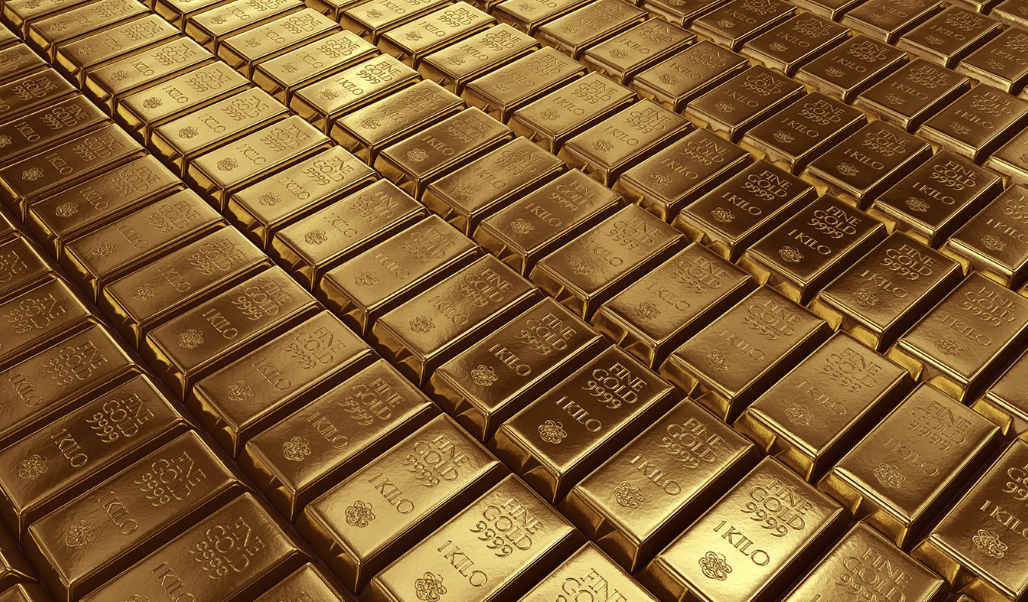
Gold prices fell for a second session Monday as Gulf hostilities pushed oil higher and strengthened bets on tighter U.S. monetary policy.
Spot bullion was down 1.2% at $4,072.49 an ounce by 0847 GMT, while August U.S. futures lost 0.8% to $4,081.30, market data cited in the report showed. The move put pressure on a metal that had been trading inside a $3,900 to $4,200 range, according to Saxo Bank analyst Ole Hansen.
Hormuz threat lifts crude
Investors were reacting to reports of heavy exchanges between U.S. and Iranian forces. Those reports said Tehran had attacked American facilities in Gulf countries and had signaled a possible move against the Strait of Hormuz.
Oil prices rose nearly 3% after the escalation, adding a direct inflation channel to a conflict that markets were already treating as a geopolitical risk. For gold, the initial safe-haven argument was outweighed by the rate and currency implications of costlier energy.
Hansen framed the pressure on bullion through the bond market and the dollar. "Renewed hostilities in the Gulf rekindle concerns about inflation and the risk of further Federal Reserve tightening, creating additional headwinds (for gold) through higher bond yields and a stronger dollar," Saxo Bank analyst Ole Hansen said.
Fed bets harden after attacks
The rate repricing was visible in futures-linked expectations. The CME FedWatch Tool cited in the report put the market-implied probability of a September U.S. Federal Reserve rate increase at about 71%, up from nearly 63% the previous week.
That shift matters because bullion does not pay interest. When traders expect policy rates to rise or stay elevated, cash and government bonds become more competitive against gold, while a stronger dollar can make the metal more expensive for holders of other currencies.
The pressure was therefore less about the metal’s industrial use and more about the macro path around energy, inflation and central-bank policy. A jump in crude can feed inflation expectations, which can lift yields, which then raises the carrying cost of holding a non-yielding asset.
Range risk narrows choices
Hansen also pointed to thinner summer trading as a risk for sharper price moves. "Focus on the Middle East and higher oil prices combined with low liquidity during the summer holiday period are key risks that may drive gold prices outside their current consolidation range of $3900-$4200," Hansen said.
For the bullion market, the immediate fault line is whether geopolitical demand for safety can overcome tighter-rate expectations. If oil keeps rising and the Fed path hardens further, gold could remain under pressure through higher yields and a firmer dollar.
If energy prices cool and the September rate-hike probability retreats, the same mechanism could work in reverse. Lower yield pressure would reduce the opportunity cost of holding bullion, giving gold more room to recover inside or above the range Hansen described.
The wider commodities market is watching whether threats around the Strait of Hormuz translate into lasting supply anxiety or fade into a shorter shock. The key uncertainty is timing: a brief spike in crude may leave only a temporary mark on inflation expectations, while a longer disruption would keep central-bank risk at the center of the gold trade.