Gold climbs above $4,400 on weaker US jobs data
Gold climbs above $4,400 on August 11, 2026 after a US jobs loss and lower Treasury yields reshaped Fed rate expectations.
Atlas Newsdesk ·
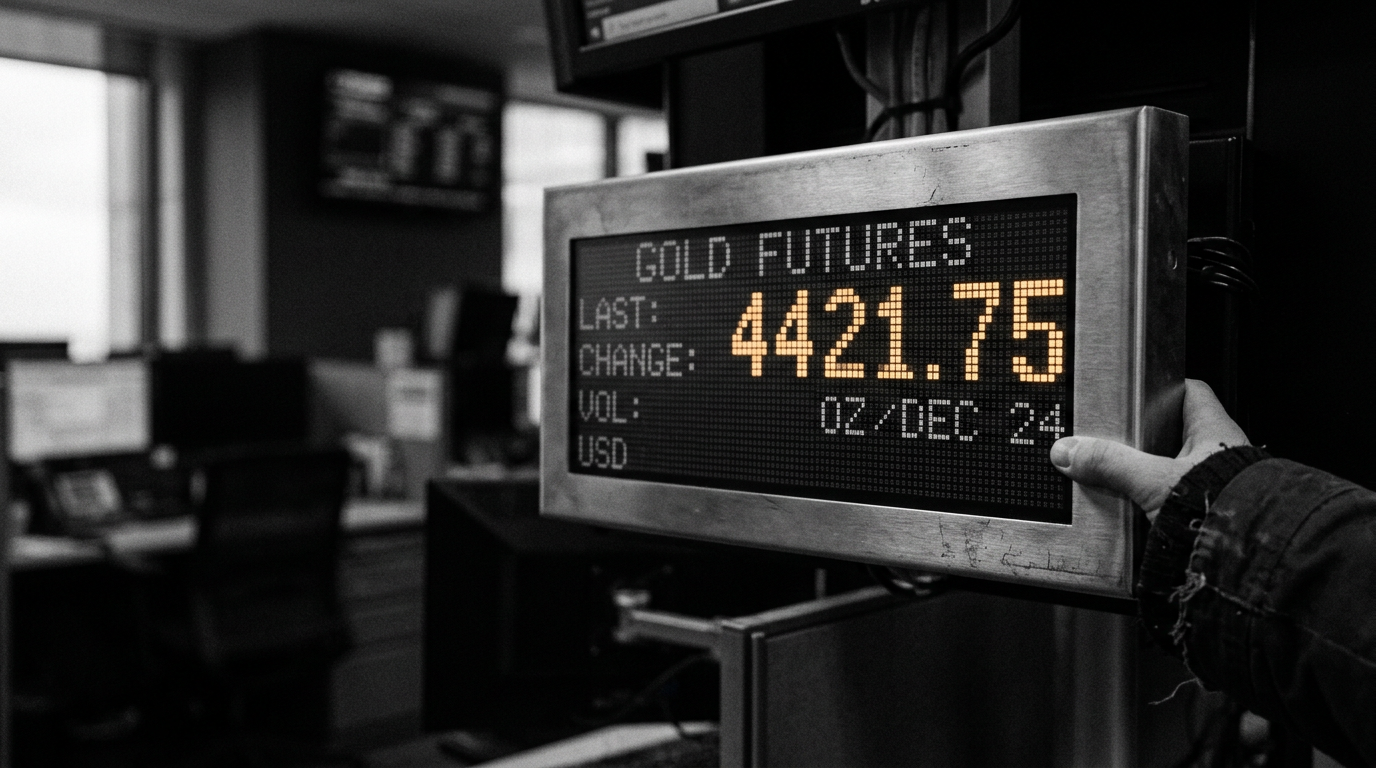
Gold traded back above $4,400 an ounce on August 11, 2026 as investors reacted to fresh signs of cooling in the US labour market and a decline in Treasury yields. Spot prices briefly pushed to a two-month high of about $4,435 per ounce before easing, and later steadied near $4,382.
The move followed a US employment report showing a loss of 23,000 jobs, alongside a downward revision to earlier payroll figures. Officials did not announce any policy change, but the data led markets to reassess expectations for upcoming Federal Reserve interest-rate decisions.
Treasury yields fall as Fed rate expectations are Treasury yields fall as Fed rate expectations are repriced After the jobs figures and revisions After the jobs figures and revisions, Treasury yields moved lower. Lower yields tend to reduce the opportunity cost of holding assets that do not pay interest, a dynamic that can lift demand for gold when investors adjust their view of where policy rates may go next. Market participants also trimmed the implied probability of near-term rate increases, according to the update. That repricing supported bullion as traders leaned into a view that policy could be less restrictive than previously anticipated. Technical factors added to the rally’s momentum, with gold breaking above its 100-day moving average during the intraday surge. Prices later stabilised, indicating traders were weighing the weaker labour signal against the next round of US inflation data.
China’s official purchases remain a major demand pillar
Institutional demand was described as a key driver Institutional demand was described as a key driver as the People’s Bank of China extended its gold-buying streak to 21 consecutive months. The central bank added 20 tonnes in July, according to the figures cited in the update. Total official Chinese gold reserves were reported at 76.08 million ounces. Market participants described the continued accumulation as a factor that can help underpin prices even when the US dollar fluctuates. Geopolitical risk and US inflation data in focus Geopolitical instability remained part of the backdrop, with tensions involving the Strait of Hormuz cited as a reason for defensive flows. The update noted that risk-driven demand can support gold alongside macro factors, particularly when rate expectations are shifting. Traders are also watching for near-term volatility around upcoming US Consumer Price Index data, which was described as a key input for any further adjustment in monetary policy expectations. How the inflation print compares with expectations may influence both yields and the next leg in gold prices. Federal Reserve For now, the combination of softer US jobs data, lower yields, and continued official-sector buying has kept gold supported near recent highs. Further moves were framed as dependent on whether incoming US inflation data reinforces the market’s current reassessment of the rate path.
Separately, IMF data cited in the update put US real GDP growth at 2.1% in 2026, up from a previous 2.0% estimate. Markets are balancing this broader growth backdrop against the latest labour and inflation signals as they gauge the outlook for interest rates and defensive assets.