GMFUS urges a Marshall Plan–style recovery program for Ukraine
The German Marshall Fund of the United States urges U.S. policymakers to back a Marshall Plan–style reconstruction program for Ukraine in a May 16, 2023…
Sophie McAlister ·
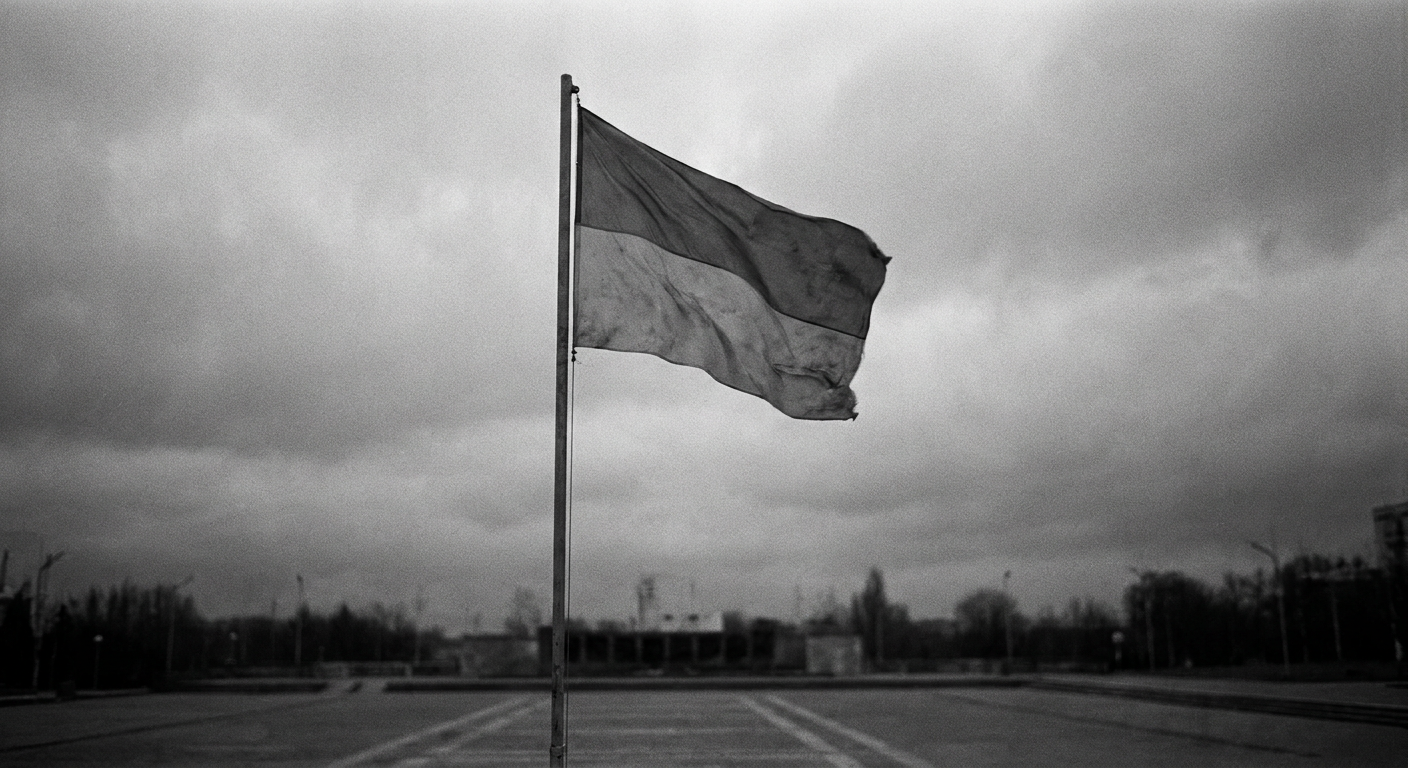
The German Marshall Fund of the United States (GMFUS) published an analysis on May 16, 2023 calling for a Marshall Plan–style approach to Ukraine’s postwar recovery. The paper frames reconstruction as a long-term project that will require coordinated international effort, sustained funding and a clear political commitment from the United States and its partners.
GMFUS released the piece from its Washington, D.C. policy shop and directed it at U.S. lawmakers, think tanks and other policy audiences in the capital. The analysis uses the Marshall Plan reference to emphasize scale and duration rather than a single short-term aid package, arguing for a strategic, sustained program of support.
In the paper, GMFUS emphasizes the need for donor coordination and mechanisms that can marshal both public funds and private capital. It frames reconstruction as not only a humanitarian undertaking but also an effort with diplomatic and geopolitical consequences for European stability and transatlantic cooperation.
Why the Marshall Plan framing matters
Invoking the Marshall Plan places the discussion in a postwar reconstruction register that has particular resonance for policymakers in Washington. The comparison signals expectations about scale, duration and the kinds of governance and institutional arrangements that could be required to make reconstruction credible and effective.
GMFUS’s call is part of a sustained debate inside the Washington policy community about how best to sequence security, humanitarian and economic assistance to Ukraine while preparing for longer-term rebuilding. The think tank’s standing in the capital ensures the proposal will be read by congressional staffers, executive-branch officials and allied partners who track reconstruction planning.
How this feeds into DC policymaking
The paper is explicitly aimed at shaping conversations in Washington, where decisions about funding, multilateral engagement and strategic priorities are made. GMFUS positions its analysis to influence legislative and administrative deliberations on whether the United States should anchor, lead or substantially underwrite a broad reconstruction effort alongside European partners.
Observers in the city will watch whether the paper shifts debate about the structure of donor coordination, the mix of public and private financing, and the timelines policymakers set for assistance and governance reforms.
Looking ahead, the immediate question for the Washington policy community is whether GMFUS’s proposal produces concrete follow-up: hearings, legislative language, interagency planning or transatlantic donor meetings that translate the idea into an actionable U.S. role in Ukraine’s recovery.