Germany’s Defense Modernization Relies on U.S. Industrial Capacity
Germany’s military modernization relies heavily on U.S. procurement, creating strategic vulnerabilities from production delays and diverging priorities.
Lauren Collins ·
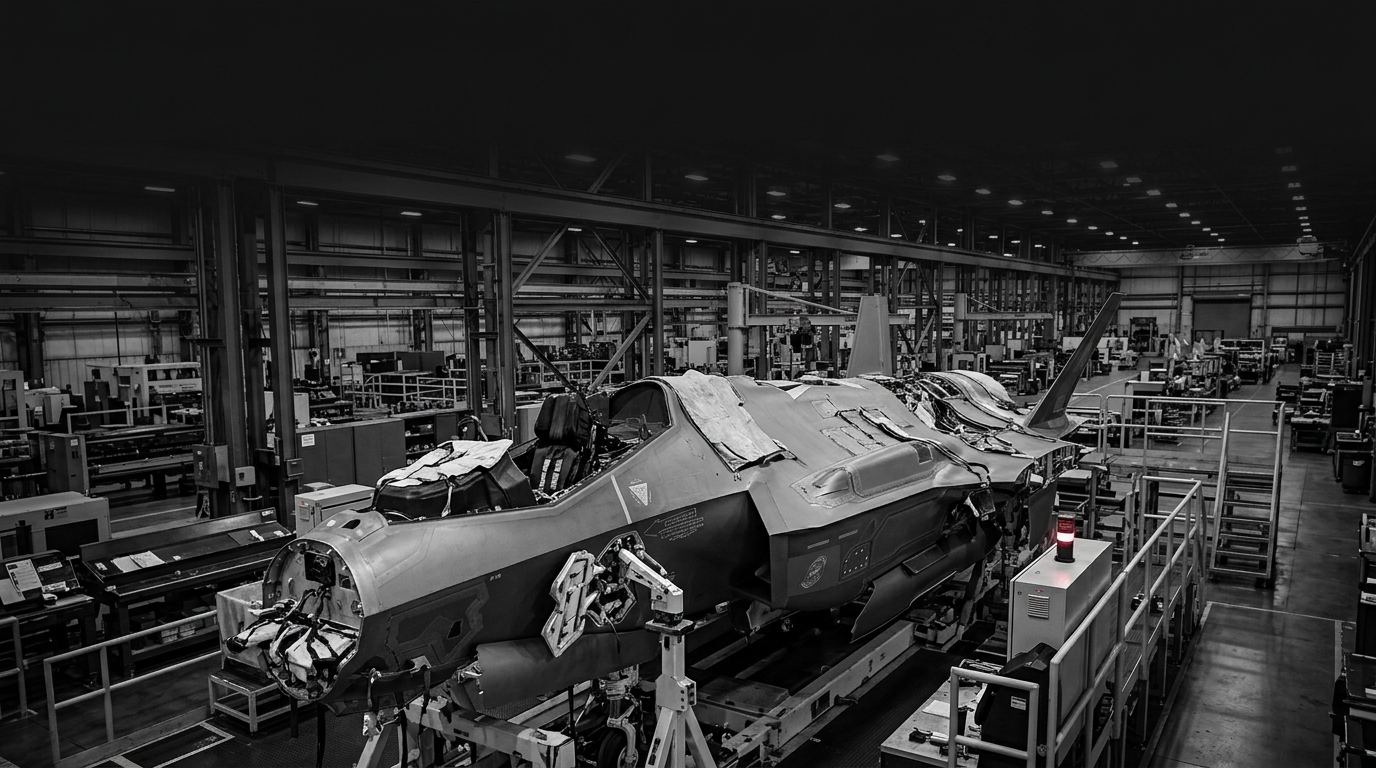
Germany’s push for military self-reliance remains heavily dependent on U.S. defense procurement and industrial supply chains. Despite Berlin increasing its annual defense spending to $147 billion, a substantial portion of these funds is allocated to American-made platforms, including F-35 fighter jets, Chinook helicopters, and Patriot air-defense systems.
Defense Spending Boosts U.S. Production
Recent bilateral discussions between German and U.S. defense officials yielded a statement of intent for industrial cooperation. However, the agreement lacks concrete timelines and binding investment commitments. German Defense Minister Boris Pistorius stated that Germany is committing approximately $50 billion to U.S. defense purchases, creating growth and jobs in the United States.
Germany is facing procurement delays for critical long-range precision weapons, such as Tomahawk cruise missiles. U.S. production capacity is prioritizing domestic replenishment, particularly for weapons like Tomahawks to rebuild its own stocks, which impacts export deliveries to allies.
Strategic Misalignments Persist
Strategic differences continue regarding the prioritization of global threats and the future of the U.S. force posture in Europe. Germany views Russia as the primary threat to the alliance, while the current U.S. administration emphasizes American manufacturing and jobs.
Although Germany aims to integrate its domestic industry
Although Germany aims to integrate its domestic industry into U.S. supply chains to mitigate bottlenecks, the lack of clarity surrounding future U.S. troop deployments and military aid to Ukraine highlights ongoing volatility within the transatlantic security partnership.
As Germany modernizes its military, reliance on U.S. defense production is expected to continue, shaping future transatlantic defense industrial cooperation and European security capabilities.