Germany target World Cup 2026 redemption under Nagelsmann after group exits
Germany's national football team is targeting redemption at the FIFA World Cup 2026 after two consecutive group-stage eliminations.
Mehmet Şahinoğlu ·
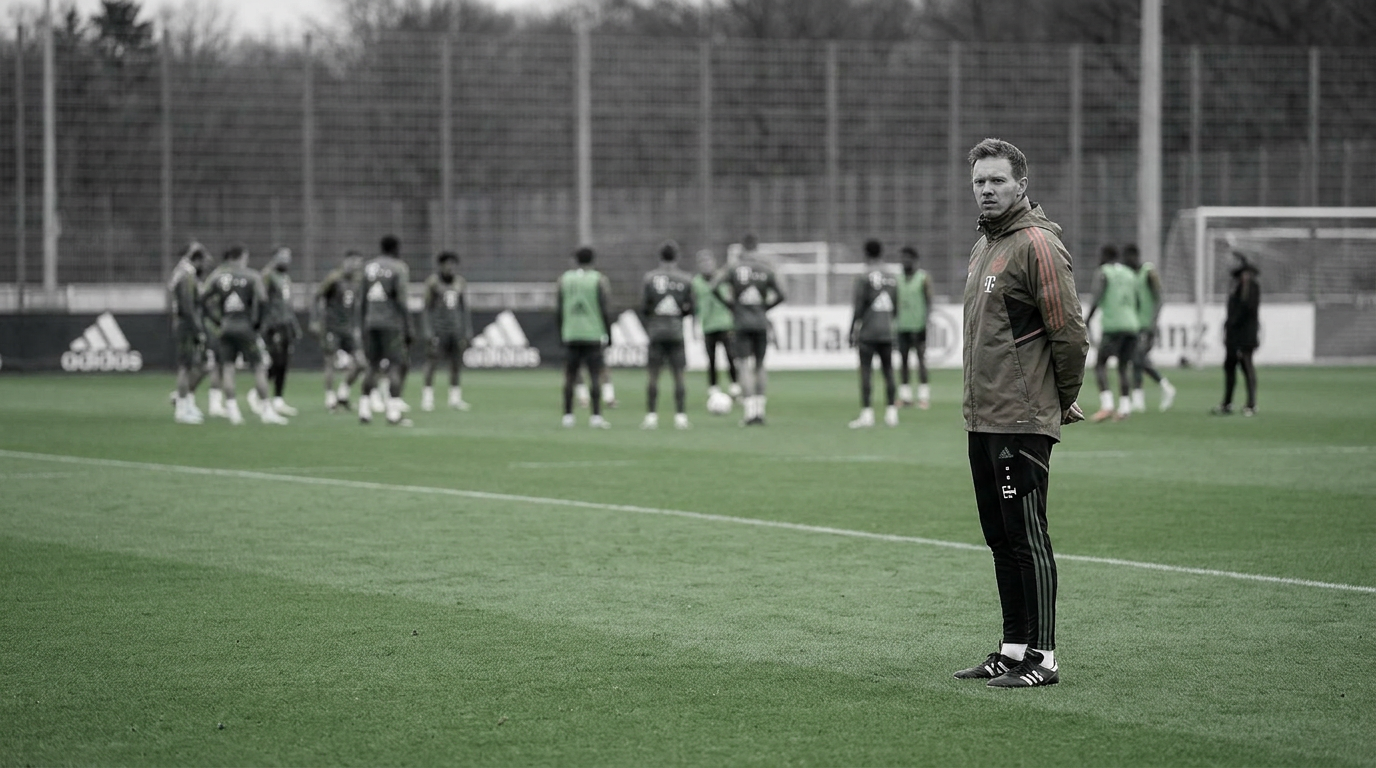
Germany will enter the 2026 FIFA World Cup seeking redemption after group-stage eliminations in 2018 and 2022. Under coach Julian Nagelsmann, they qualified with five wins from six matches and regained confidence after a competitive Euro 2024 campaign that ended in a narrow quarterfinal defeat to Spain. The monthlong tournament begins on June 11, and Germany’s staff believe a deeper run is within reach if roles and fitness align.
Nagelsmann’s selections blend youthful invention with veteran know-how. Jamal Musiala and Florian Wirtz headline the creative cohort expected to carry much of the attacking load. They are supported by the experience of Joshua Kimmich, Antonio Rüdiger and goalkeeper Manuel Neuer, who has returned from international retirement to rejoin the leadership group.
Neuer, 40, has been named first choice ahead of Oliver Baumann and Alexander Nübel, according to team officials, while Kimmich continues as captain. The Bayern Munich goalkeeper’s authority and organization are viewed internally as stabilizing assets for a squad still knitting together new pieces under Nagelsmann.
Creativity up front, fitness watch on key talents
Musiala’s recovery and role
Musiala, 23, was one of Germany’s standouts at Euro 2024 and brings the one‑on‑one flair to unlock compact defenses. He sustained a serious leg and ankle injury in July during Bayern’s FIFA Club World Cup quarterfinal against Paris Saint‑Germain and has since managed setbacks in his recovery, featuring less frequently in recent weeks. His sharpness and workload will be monitored closely as Germany calibrates risk and reward around their most direct dribbler.
Wirtz settling after Liverpool move
Wirtz endured a difficult start following his big‑money transfer to Liverpool but has shown improved form as the season progressed. Comfortable across the front line, he offers versatility between the lines and in wider pockets, giving Nagelsmann options to vary combinations and tempo in the final third.
Selection debates and the search for a focal point
Striker puzzle and Havertz option
Questions persist about Germany’s centre‑forward profile, with no clear world‑class No 9 in the pool. One solution is to deploy Kai Havertz as a false nine — an approach Nagelsmann has used to prioritize mobility, pressing and interchange rather than a traditional target figure.
Spine taking shape around experience
Elsewhere the spine looks more settled. Leon Goretzka and Aleksandar Pavlović are candidates to form a double pivot that balances ball progression with protection, while Rüdiger anchors a back line that has benefited from Kimmich’s reliability at right back. The goal for the staff is clarity: reduce selection churn and build repeatable patterns before the group stage kicks off.
Germany will finalize roles and fitness decisions in the coming days, with Musiala’s readiness and the centre‑forward plan likely to shape their ceiling. If the blend of youthful spark and veteran composure coheres, Nagelsmann’s side believes it can turn recent scars into a deep run this summer.