German Football Faces Deeper Structural Issues After World Cup Exit
Germany's third consecutive early World Cup exit has exposed deep-seated structural and cultural issues within football program, shifting focus toward…
Mehmet Şahinoğlu ·
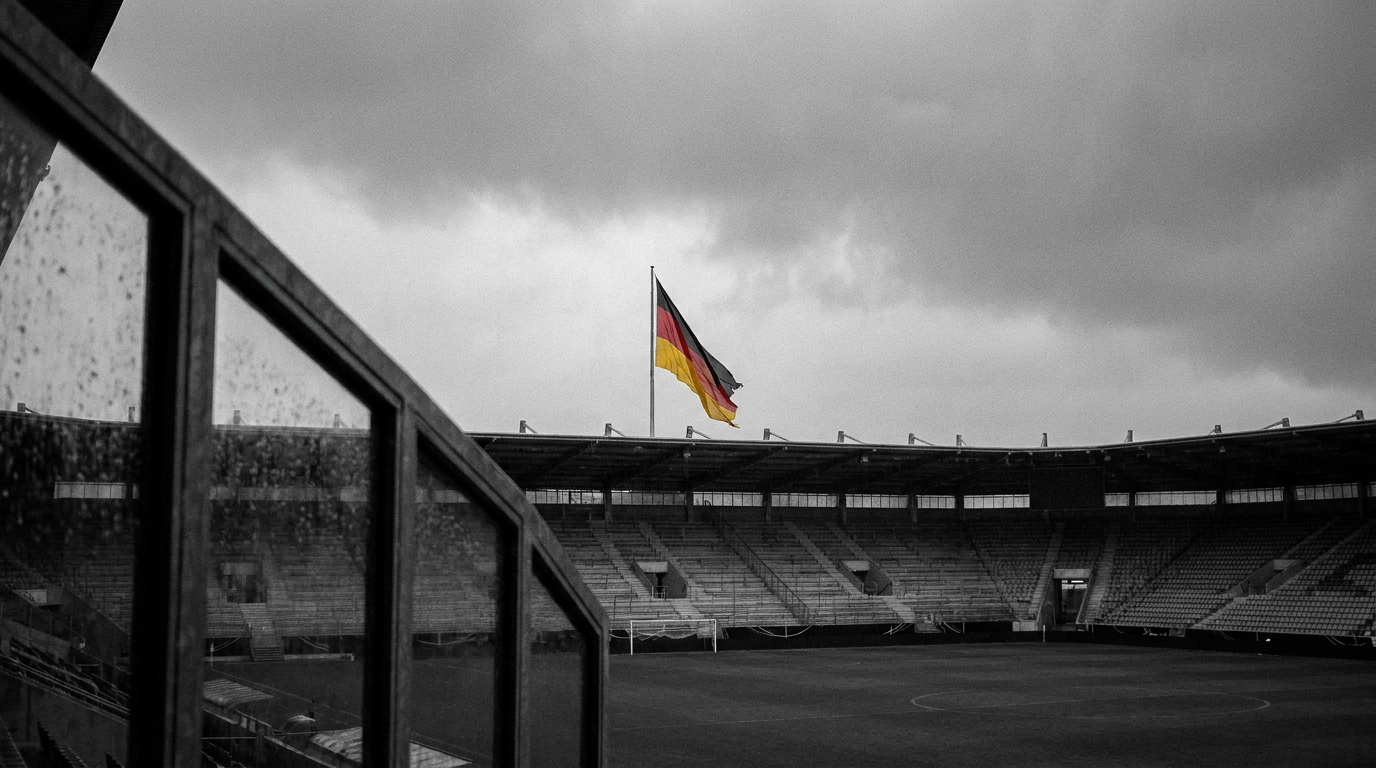
Germany’s national football team exited the FIFA World Cup in the group stage for a third consecutive major tournament following a recent defeat to Paraguay. This early elimination amplifies concerns about the structural health of German football, moving beyond immediate match results to spotlight systemic issues within the German Football Federation (DFB).
The latest exit has reignited internal disputes within the DFB, notably manager Julian Nagelsmann’s public criticism of striker Deniz Undav. This pattern of public censure echoes previous instances of blame being assigned rather than addressing fundamental problems.
The failures indicate a significant departure from the foundational youth development strategies that propelled German football success two decades ago. Those earlier reforms prioritized technical skill acquisition and tactical flexibility, yielding a period of sustained competitive advantage.
Nagelsmann's Player Management Under Scrutiny
Critics now argue the DFB has adopted an overly rigid, data-centric management approach, struggling to adapt to the dynamic and high-pressure environment of tournament play. This inflexibility was evident in Germany's performance during a penalty shootout against Paraguay, missing three attempts and contrasting sharply with the nation's historical strength in such scenarios.
Nagelsmann’s specific targeting of Undav for a missed opportunity during the match against Paraguay extends a documented history of friction. Earlier, Nagelsmann had publicly questioned Undav's fitness and link-up play after the striker scored a winning goal against Ghana, an incident for which the manager later apologized.
Wider DFB Institutional Challenges
This recurring public critique by the manager suggests a potentially strained relationship with key players and risks undermining squad cohesion, which directly impacts on-field performance and morale. The emphasis on individual player errors, instead of a holistic evaluation of underlying systemic deficiencies, points to broader institutional challenges within German football.
Although the DFB effectively modernized its talent pipeline in the early 2000s, current leadership faces intense scrutiny over player management strategies and tactical inconsistencies. The perceived difficulty in integrating diverse talent, coupled with a notable communication gap between coaching staff and players, suggests that Germany’s footballing decline is rooted in an organizational culture that struggles to evolve, rather than simply a deficit of individual player capabilities.
Future Trajectories for German Football
The DFB must now directly address the deep-seated structural issues contributing to the national team’s persistent underperformance. The focus will be on whether the federation can transition beyond assigning individual blame to undertaking a comprehensive review of its tactical philosophies, talent development pathways, and overall leadership model.
The coming months will be critical in determining if the DFB initiates genuine reforms to regain its standing in international football, or if the pattern of early tournament exits and internal conflicts will continue. The response from all key stakeholders, spanning from youth academies to national team management, will be vital for charting the future course of German football both domestically and on the global stage.