Gavin Baker says AI is shifting data center margins toward steady high efficiency
On the a16z Show podcast, Gavin Baker of Atreides Management argued that AI workloads generate sustained, high utilization and positive returns on invested…
Edward Mullen ·
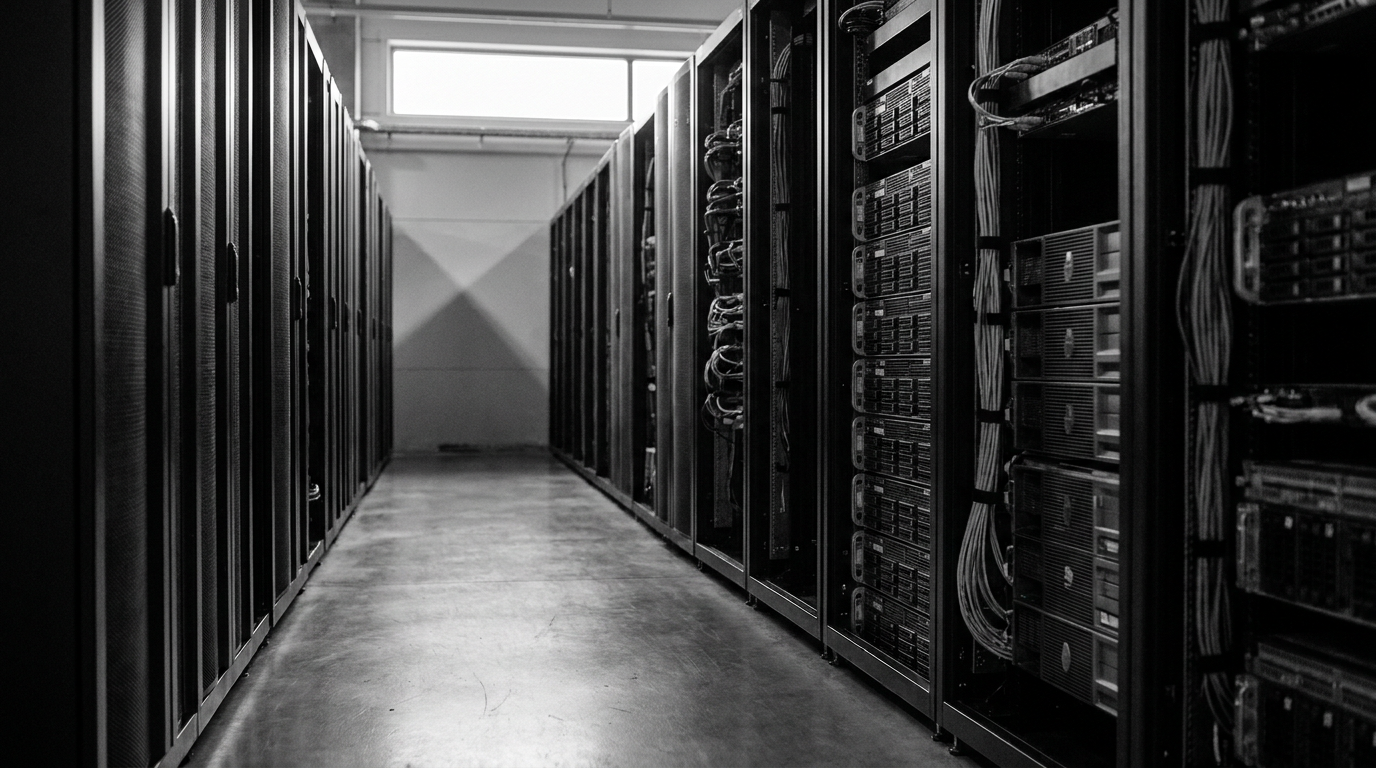
The prevailing talk of an AI bubble often overlooks a critical distinction in the current infrastructure build-out. Far from being a repeat of speculative tech booms, the AI era is quietly reframing data center economics. AI's inherently high utilization rates are shifting operating margins from the traditional focus on peak capacity to a perpetual state of high efficiency, significantly cutting down on idle compute.
Baker's claim: AI demand is operational, not speculative Baker's central contention on the podcast is simple: AI workloads drive consistently high utilization of specialized hardware, and that utilization converts large infrastructure outlays into positive returns on invested capital rather than stranded capacity. The episode frames infrastructure spend as an operational scaling problem — buy compute because it will be used — not a financial bet that may never pay off.
That framing, if true, turns data-center economics into a margin story rather than a capacity glut story.
What the podcast actually shows — and does not What we have is an executive argument recorded on a public podcast; the episode asserts high utilization and positive ROIC but provides no empirical utilization curves, scheduler logs, or vendor order books to substantiate the claim. The source does not supply the mechanisms — which scheduling layers, workload multiplexing strategies, or hardware-sharing arrangements produce the claimed utilization — nor does it show sensitivity to uneven adoption across industries.
Treat the podcast as persuasive commentary, not audit-level evidence.
Why this is a margin-structure shift, not simply more spending If Baker is right, the economic consequence is structural: operators will prize steady throughput and efficiency over maintaining large buffer capacity for peak non-AI workloads, which compresses per-unit operating costs and raises steady-state margins for providers who can keep hardware saturated. That creates a different procurement pattern: buyers will prefer proven, high-throughput GPU stacks and scheduling investments that deliver continuous utilization, turning what looks like heavy capital expenditure into an efficiency play that improves gross margins over time.
This is a claim about operating margins and procurement composition as much as it is about absolute dollars spent.
The counter-read: why many still call this a bubble The obvious skeptic points to the history: rapid vendor hiring, record chip orders, and sky-high valuations in parts of the hardware and infrastructure supply chain. Critics say a podcast assertion of utilization does not rule out overbuild if adoption plateaus or if AI workloads consolidate onto fewer hyperscalers.
The source packet provides no third-party operational metrics from cloud providers or data-center operators to rebut that skepticism; the missing telemetry is the hole the bubble thesis exploits.
Who benefits, who is exposed, and the under-noticed middle If utilization-driven margins materialize, hyperscalers and GPU-optimized colocation providers win because they can amortize expensive accelerators faster and improve gross margins. Hardware vendors that supply memory and interconnects will be re-priced around continuous throughput demand rather than peak cycles.
Exposed are smaller colo players and enterprises that purchased excess capacity expecting broad, immediate AI rollout; their balance sheets could carry stranded racks if they cannot fill utilization targets. The under-noticed middle are scheduler and orchestration vendors: the economic value shifts to software that reliably multiplexes heterogeneous AI workloads to sustain high utilization.
Falsifiable signals to watch in the next 12–18 months Baker's read is testable. If AWS, Azure, or GCP earnings begin to show sustained declines in infrastructure utilization tied to AI workloads, or if NVIDIA reports a meaningful slowdown in data-center GPU orders driven by lower operational uptake, that would undermine the sustained-utilization claim.
Similarly, if major data-center operators disclose rising unused rack space or an increase in dark inventory allocated to AI, the thesis breaks. Conversely, published utilization metrics, sustained increases in average GPU-hours billed, or scheduling patents and deployments that explicitly claim multiplexing gains would strengthen Baker's case.
These are concrete, observable corporate disclosures that will resolve whether this is margin re-pricing or speculative overbuild.
Baker's podcast frames AI infrastructure as an operational lever that can convert big capital outlays into durable margin expansion; the recording supplies a directional claim but leaves the engineering and bookkeeping that would prove it unshown. Executives should treat this as a hypothesis that repositions procurement and vendor-evaluation criteria toward utilization guarantees and scheduling SLAs, not as a settled fact.
Watch cloud provider utilization notes, GPU order books, and data-center occupancy disclosures for the hard evidence.