Mexico Screwworm Outbreak Surpasses 500 Confirmed Cases
New World screwworm cases in Mexico have exceeded 500 since 2024, with infection rates rising in 2026 and animal impacts widening.
Atlas Newsdesk ·
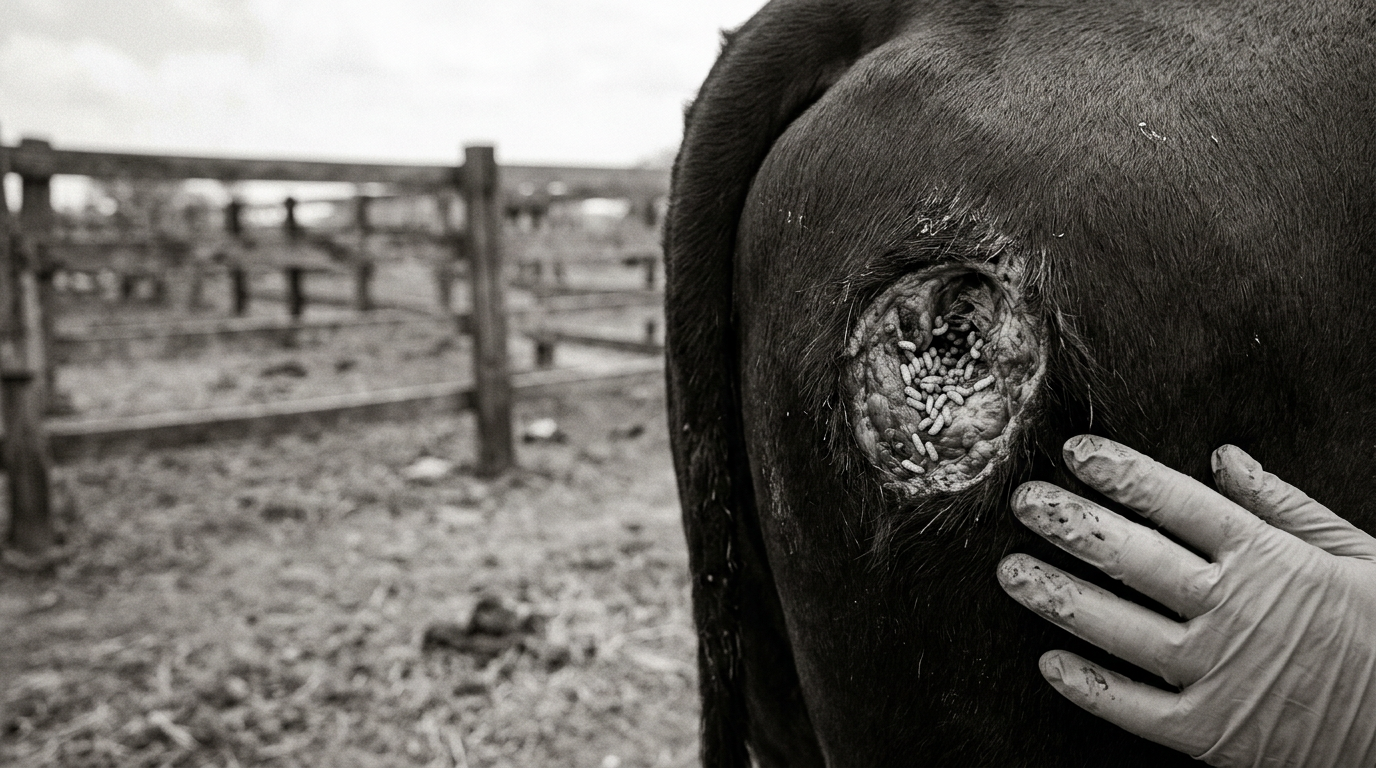
Human infections caused by New World screwworm (NWS) myiasis in Mexico have surpassed 500 since the parasite reemerged in 2024, according to surveillance data. Health monitoring also points to a faster pace of new cases, alongside a growing animal outbreak that is expanding across borders.
Reported human case counts have been accompanied by fatalities. Six deaths have been recorded among patients with NWS myiasis, and at least one death was directly attributed to the infestation.
NWS case rate accelerates as animal infections climb Data shows the trend rose from roughly three Surveillance figures indicate the rate of identified human infestations has increased markedly over time. Data shows the trend rose from roughly three cases per week in 2025 to more than nine per week in 2026. The resurgence is not limited to people. More than 36,000 animals have been affected, underscoring the scale of the outbreak and the likelihood of continued exposure risks where livestock, wildlife, and humans intersect. Northward spread linked to a barrier breach in the Darién Gap Experts link the northward movement of the fly to the breach of biological barriers in the Darién Gap, which has facilitated the parasite’s spread. The organism had previously been regarded as eradicated in the region, making the current pattern a notable reversal in status. Officials have now confirmed initial animal cases in Officials have now confirmed initial animal cases in the United States, indicating that spread beyond Mexico is no longer theoretical. The presence of animal infections outside the earlier affected areas raises the stakes for coordinated monitoring and control efforts. Higher risk for patients with diabetes and cancer Clinical analysis indicates that people with underlying health conditions face greater danger of severe outcomes. Patients with diabetes and cancer are highlighted as groups at increased risk, according to expert assessments tied to the current caseload.
The health impact is being framed as both a clinical and a systems challenge. With cases rising over time, the combination of medical vulnerability and environmental exposure can increase pressure on detection, treatment, and referral pathways where the parasite is present.
Calls for joint public health and agricultural response
Experts say the current trajectory requires stronger coordination between agricultural authorities and public health agencies to manage spread. The outbreak’s scale in animals, alongside the rising human case rate, is cited as a reason to align surveillance and response operations across sectors.
Recommended steps include proactive surveillance and fly-suppression measures to limit further expansion into territories not yet affected. How quickly those steps can slow the rise in cases remains uncertain, particularly as animal infections have already been detected beyond Mexico.