Tanker Attacks Escalate Gulf Shipping Risks
Multiple tanker attacks in the Persian Gulf, including near Iraq's Umm Qasr, escalate shipping risks and raise global energy security concerns.
Lauren Collins ·
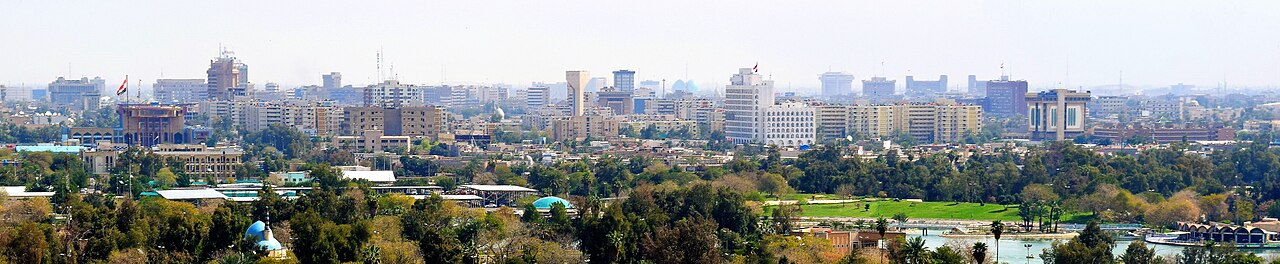
Multiple maritime incidents, including explosive boat attacks on two fuel tankers near Iraq's Umm Qasr port on Wednesday, March 12, 2026, have significantly heightened security concerns in the Persian Gulf. These attacks, which resulted in one crew fatality and fires aboard the Marshall Islands-flagged *Safesea Vishnu* and the *Zefyros*, occurred after the vessels had loaded fuel cargoes. Iraqi authorities condemned the actions as a violation of national sovereignty.
Regional Maritime Security Deteriorates
Concurrently, three other commercial ships operating in the broader Gulf region reported being struck by projectiles. The Thai-flagged dry bulk carrier *Mayuree Naree* sustained damage from two projectiles in the Strait of Hormuz, leading to a fire in its engine room and three missing crew members. Iran's Islamic Revolutionary Guard Corps (IRGC) subsequently claimed responsibility for this specific attack.
Additional Vessel Incidents Reported
Further incidents included the Japan-flagged container ship *ONE Majesty* experiencing minor damage from an unidentified projectile northwest of Ras al-Khaimah, UAE. Separately, the Marshall Islands-flagged bulk carrier *Star Gwyneth* was also damaged by a projectile while transiting northwest of Dubai. These events collectively underscore a deteriorating security environment for commercial shipping in vital Middle Eastern waterways.
Strategic Waterway Under Threat
The Strait of Hormuz, a narrow chokepoint through which approximately one-fifth of the world's oil supply passes daily, has become a focal point of these tensions. The recent attacks follow reports of Iran deploying around a dozen naval mines within the strait. The IRGC had previously issued warnings, indicating that any vessel transiting the strait could become a target, raising fears of broader regional conflict.
International Response and Implications
S. Navy has reportedly declined requests for military escorts for commercial vessels through the Strait of Hormuz. This decision highlights the perceived dangers and the complex challenges faced by international maritime forces in ensuring safe passage. The series of attacks could lead to increased insurance premiums for shipping, rerouting of vessels, and potential disruptions to global energy supplies, impacting market stability and international trade routes.
The incidents demand a coordinated international response to de-escalate tensions and protect critical maritime infrastructure.
Economic and Geopolitical Ramifications
The direct targeting of commercial shipping vessels, particularly those carrying energy resources, carries significant economic and geopolitical ramifications. Such actions threaten the free flow of trade and could lead to higher energy costs globally. The involvement of state-affiliated actors, as indicated by the IRGC's claim, further complicates diplomatic efforts and raises the specter of broader regional instability.
International bodies and naval powers are closely monitoring the situation, assessing the potential for further escalation and its impact on global supply chains and energy security.
Implications
Country Impact: Iraq's sovereignty was violated by the attacks near Umm Qasr, potentially drawing the nation into broader regional conflicts. The UAE and other Gulf states face increased security threats to their maritime trade routes.
Industry Impact: The shipping industry faces heightened risks, leading to potential increases in insurance costs, longer transit times due to rerouting, and disruptions to global supply chains, particularly for oil and gas.
Market Impact: Global energy markets could experience price volatility and supply concerns. Increased geopolitical tensions in the Gulf typically lead to higher crude oil prices and impact investor confidence in regional assets.