Latvia scrambles jets after drone enters NATO airspace
Latvian officials said fighter jets were scrambled after a drone entered Latvian airspace from the direction of Russia; details and operator remain unknown.
Mateo Fernandez ·
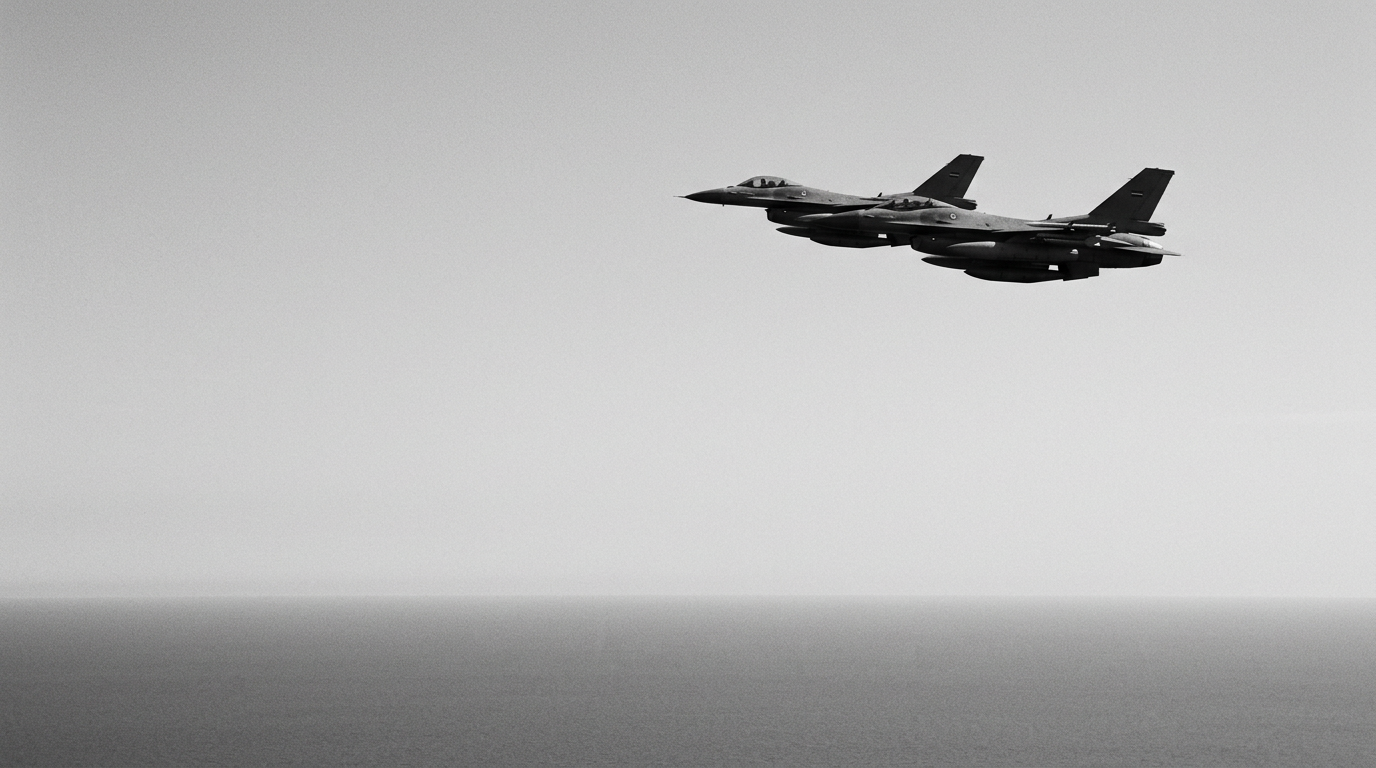
Latvian officials said fighter jets were scrambled after a drone crossed into Latvia’s NATO airspace, triggering an interception response by military aircraft. Authorities said the unmanned aircraft entered Latvian airspace from the direction of Russia, prompting national air-defence assets to be activated to stop it.
The account and timing of the incident came from Latvian authorities, and the initial statement did not cite independent confirmation. Officials did not provide a detailed operational timeline for the scramble and intercept, but said the response involved Latvia’s national air-defence capabilities.
Latvian officials cite entry from direction of Russia
Officials said military planes were dispatched after the Officials said military planes were dispatched after the drone crossed the border into Latvian airspace. They did not provide a public estimate of who operated the drone, and there was no immediate report of injuries or damage linked to the incident. With attribution not yet established, the episode leaves key questions unresolved, including the operator’s identity and the drone’s intent. The lack of publicly released technical details also means the type of unmanned aircraft and its flight profile have not been clarified in the official account. Interceptions carry escalation risk on NATO’s eastern flank Officials framed the scramble as a defensive action in response to an airspace violation, highlighting how quickly unmanned systems can force military decision-making near international borders. The incident also underscores the possibility of rapid encounters when aircraft are launched to intercept objects whose origin and control may not be immediately clear.
Analysts have warned that miscalculation during such interceptions can escalate quickly, particularly when military aircraft are operating near borders and responding under time pressure. The source material also notes that NATO members have differing rules of engagement for airspace violations, which can affect how incidents are handled and communicated.
Officials said there were no immediate reports of damage or injuries, but the broader uncertainty remains: without confirmation of a strike, clear attribution of responsibility, or an official NATO comment, the political significance may shift as more information emerges. Observers said to watch for official updates over the next 24 hours, as any additional confirmation could alter how the event is interpreted along the alliance’s eastern border.